Maronites: History, Faith, and the Global Diaspora
The Maronites are an Eastern Catholic community with deep roots in the Levant, primarily centered in Lebanon. Defined by their unique blend of Syriac traditions and full communion with the Roman Catholic Church, the Maronites have played a pivotal role in the political and cultural landscape of the Middle East. From their origins as followers of a hermit saint to their establishment as a global diaspora, their journey is one of resilience, faith, and adaptation.
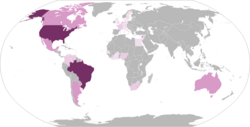
Today, the Maronite population is estimated between 7 and 12 million people worldwide. While they remain a cornerstone of Lebanese society, significant populations reside in the Americas, Europe, Australia, and Africa, creating a vast network of cultural and spiritual connections across continents.
Key Facts
- Global Population: Estimated between 7 and 12 million.
- Primary Faith: Maronite Catholicism.
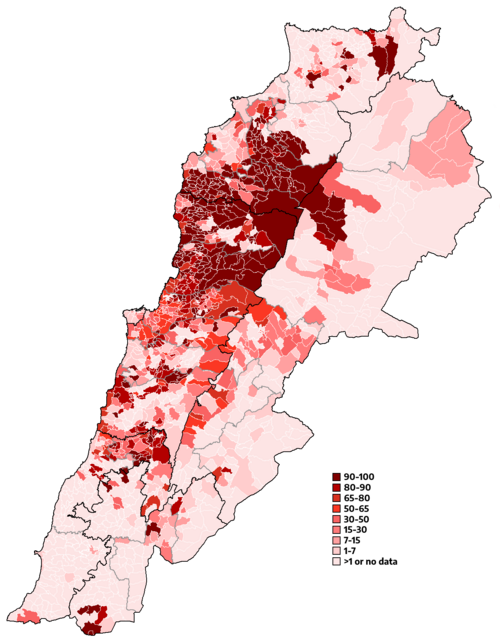
- Core Region: Lebanon, where they make up more than one-quarter of the population.
- Languages: Levantine and Cypriot Arabic, and Aramaic (used liturgically).
- Major Diaspora Hubs: Brazil, United States, Argentina, and France.
Origins and Early History
The Maronite movement is traced back to Saint Maron (d. 410). The faith reached Lebanon around 402 AD through Abraham of Cyrrhus, known as the Apostle of Lebanon, who worked to convert the Phoenician inhabitants of the coastal regions and mountains.
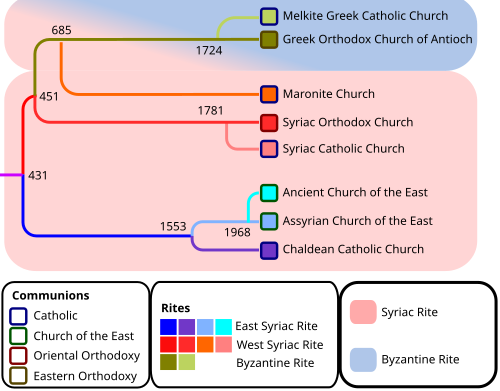
A defining moment in their early theology occurred in 451 AD during the Council of Chalcedon. The Maronites rejected monophysitism and miaphysitism—doctrines regarding the nature of Christ—to maintain communion with the majority of Christian churches in the Roman Empire. This theological stance led to periods of intense conflict, including a debated massacre of 350 monks from the monastery of Maron in 517 AD.
The Middle Ages and the Crusades
During the First Crusade in 1096 AD, the Maronites welcomed the arriving Christian forces. By the late 12th century, records from William of Tyre suggest the community had grown to approximately 40,000 people. Throughout centuries of geographic and political isolation, the Maronites maintained that they remained in full communion with the Catholic Church.
The Early Modern Period and Political Evolution
Following the Ottoman conquest of Egypt and Syria in 1516, Maronite lands became part of the Tripoli Eyalet. Seeking protection from the Ottoman authorities, the Maronites looked toward European powers, leading France to officially become their protector in 1649.
The 16th and 18th centuries saw a tightening of ties with Rome. Pope Gregory XIII founded the Pontifical Maronite College in 1584, and the Lebanese Council of 1736 established critical rules and canons that brought the Maronite Church closer to the Latin Church.
Conflict and Migration
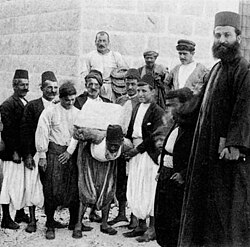
The relationship between Maronites and the Druze has historically been one of peaceful coexistence, though this was shattered during the 1860 Mount Lebanon conflict. During this civil war, thousands of Maronites were massacred; estimates suggest 11,000 Christians were killed, with another 4,000 dying from disease and famine. This tragedy sparked a wave of emigration to Egypt and the New World, with Antonios Bachaalany becoming one of the first to reach the United States in 1854.
The early 20th century brought further hardship, including a World War I famine that killed between one-third and one-half of the population. However, the post-war era saw the realization of a Maronite dream: the creation of an independent state under a French mandate.
Population and Global Distribution
While the Maronites are most concentrated in Lebanon, they have a significant presence across the globe. In Lebanon, they have historically held substantial political influence, though the Lebanese Civil War (1975–1990) and the subsequent Taif Accords shifted the balance of power toward a more shared influence with Shiite and Sunni communities.
Beyond Lebanon, Maronite communities exist in Syria (estimated between 28,000 and 60,000) and Israel (approximately 11,000). The diaspora is particularly strong in South America and North America.
| Region/Country | Estimated Population | Notes |
|---|---|---|
| Brazil | 3–4 million | Includes those of Maronite ancestry |
| United States | 1.2 million | Includes those of Maronite ancestry |
| Lebanon | 1.4 million | Based on 2006 data |
| Argentina | 764,115 | Significant Eparchy in Buenos Aires |
| France | 285,520 | Historical protectorate ties |
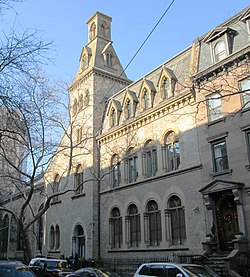
| Mexico | 167,190 | Active Eparchy of Our Lady of the Martyrs |
| Australia | 161,370 | Eparchy of Saint Maron of Sydney |
Cultural and Linguistic Identity
The Maronite identity is closely tied to the Aramaic language. While Arabic is the primary vernacular today, Aramaic remains the liturgical language of the church. In some regions, such as Jish in Israel, activists have worked to revitalize Aramaic as a spoken tongue to preserve their distinct ethnic and religious heritage.
Frequently Asked Questions
What is Maronite Catholicism?
Maronite Catholicism is an Eastern Catholic Church in full communion with the Pope in Rome. It follows the West Syriac Rite and traces its spiritual lineage back to Saint Maron.
Where do most Maronites live today?
While they are a major community in Lebanon, the largest numbers of people with Maronite ancestry are found in Brazil and the United States.
What language do Maronites speak?
Most Maronites speak Arabic (specifically Levantine or Cypriot dialects). However, Aramaic is used in their religious liturgies and hymns, and some communities strive to revitalize it as a spoken language.
How did the Maronites end up in the Americas?
Mass emigration began in the mid-19th century, accelerated by the 1860 Mount Lebanon conflict, Ottoman military rule in 1915, and the devastating famine during World War I.
What is the significance of the Council of Chalcedon to Maronites?
The 451 AD Council of Chalcedon is significant because the Maronites accepted its decrees, rejecting monophysitism and miaphysitism, which ensured their long-term alignment with the Roman Catholic Church.