Inca Empire: The Rise and Fall of Tawantinsuyu
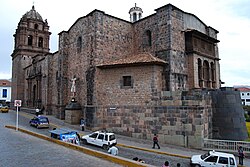
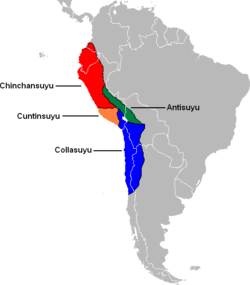
The Inca Empire, known officially as Tawantinsuyu (Quechua for "Realm of the Four Parts"), stands as the largest empire in pre-Columbian America. Centered in the city of Cusco, this sophisticated civilization emerged from the Peruvian highlands in the early 13th century, eventually expanding into a massive administrative and military powerhouse that dominated the Andean landscape.
At its peak around 1525, the empire spanned approximately 2,000,000 square kilometers and supported a population of roughly 12 million people. Its success was built upon a foundation of divine monarchy, advanced engineering, and a rigid social hierarchy.
Key Facts
- Official Name: Tawantinsuyu (Realm of the Four Parts).
- Capital: Cusco, Peru.
- Peak Population: Approximately 12 million people.
- Governance: Divine absolute monarchy led by the Sapa Inca.
- Official Language: Classical Quechua.
- Timeline: Major expansion from 1438 until the final fall in 1572.
Historical Foundations and Expansion
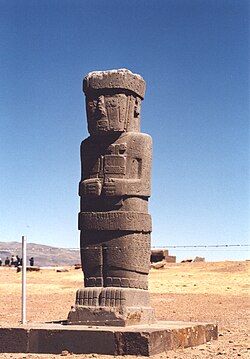
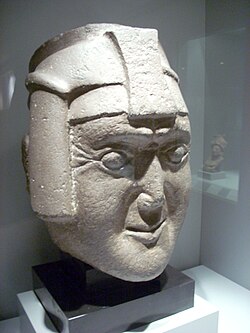
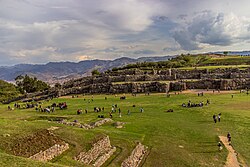
The Inca did not emerge in a vacuum. They were preceded by other expansive Andean cultures, most notably the Tiwanaku (c. 300–1100 AD) and the Wari (c. 600–1100 AD). Many of the hallmarks of Inca civilization—such as elaborate stone construction, vast road networks, and mountain terracing—were refinements of techniques developed by these earlier societies.
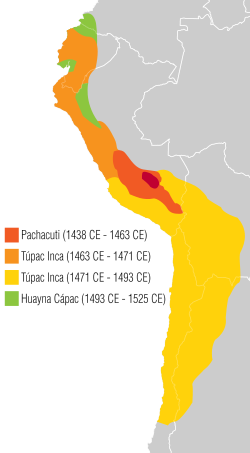
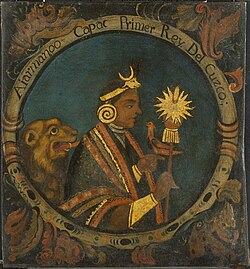
The empire's transformation from a small kingdom in Cusco to a continental power began in 1438 under the leadership of Pachacuti. Through strategic conquest and reorganization, the Inca consolidated power across the Andes. This expansion continued under Topa Inca Yupanqui and Huayna Capac, reaching its greatest extent by the early 16th century.
The Fall of the Empire
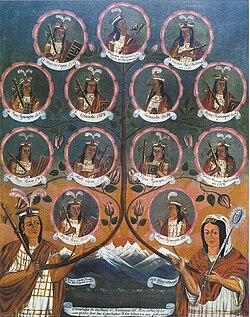
The decline of Tawantinsuyu was precipitated by internal strife and external invasion. A devastating civil war broke out between two brothers, Huascar and Atahualpa, between 1529 and 1532, leaving the empire fractured.
This instability provided an opening for Spanish conquistadors led by Francisco Pizarro. After receiving royal approval from the Queen of Spain in 1529, Pizarro launched a conquest that led to the execution of the last Sapa Inca, Atahualpa, on August 29, 1533.
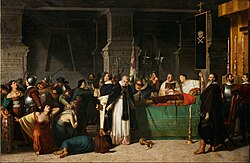
While some resistance continued in the mountains of Vilcabamba under the Neo-Inca State, the final stronghold fell in 1572 with the execution of Topa Amaru. The conquest was further accelerated by European diseases; smallpox, typhus, and measles ravaged the population, often spreading rapidly via the empire's own efficient road system.
Society and Governance
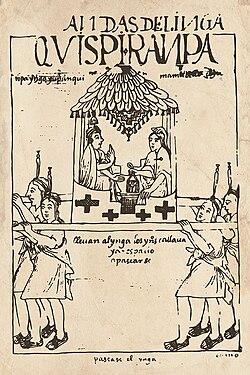
The empire was governed by the Sapa Inca, an absolute monarch believed to be divine. Below him was a small class of Inca nobles (numbering between 15,000 and 40,000) who managed a population of millions. The administration was meticulously organized into a decimal hierarchy to ensure efficient tax collection and labor management.
| Administrator (Kuraka) | Number of Taxpayers Managed |
|---|---|
| Hunu kuraka | 10,000 |
| Pichkawaranqa kuraka | 5,000 |
| Waranqa kuraka | 1,000 |
| Pichkapachaka kuraka | 500 |
| Pachaka kuraka | 100 |
| Pichkachunka kamayuq | 50 |
| Chunka kamayuq | 10 |
Social behavior was governed by three strict moral precepts: Ama sua (Do not steal), Ama llulla (Do not lie), and Ama quella (Do not be lazy).
![Tunic worn by an Inca of high rank, in vicuña wool and cotton (1450–1540), kept at the Washington Dumbarton Oaks Research Library and Collection[118]](/images/61/1e/611efeb0f7e9c6102315b587f9c0cfe943642f4cf0fd8e6bc58adf3b1dad518a.png)
Religion and Worldview
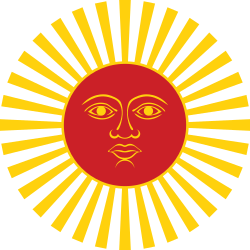
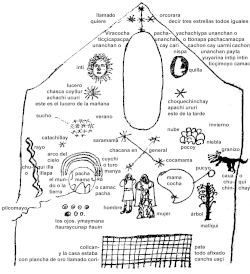
The Inca were polytheists who viewed the world as a series of interconnected realms. Their pantheon was led by Viracocha, the creator of all living things, and Inti, the Sun god and patron deity of Cusco.
- Mama Killa: The Mother Moon and wife of Inti.
- Apu Illapu: The rain god.
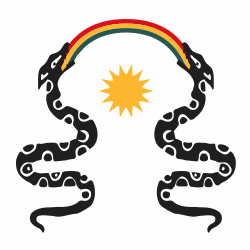
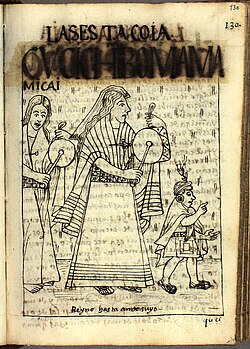
- Kuychi: The rainbow god, associated with fertility.
- Mama Ocllo: The bringer of wisdom who taught weaving and house-building.
Economy and Technology
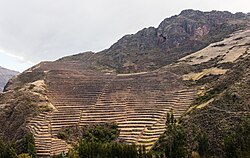
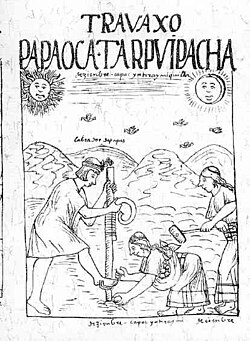
The Inca economy was based on agriculture and animal husbandry. They utilized andenes (agricultural terraces) to farm steep mountainsides and employed the chaki taklla (a foot plough) to till the soil.
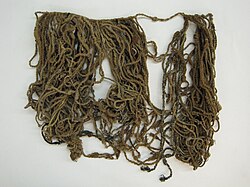
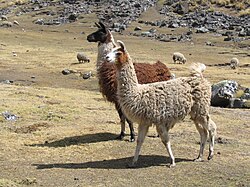
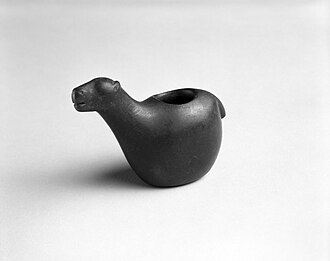
Camelids, such as llamas and alpacas, were vital resources providing meat, fiber, and transport. For record-keeping, the Inca used the quipu, a system of knotted strings used to track census data and taxes, as they lacked a written alphabet.
Science and Measurement
Inca measurements were based on the human body (fingers, palms, and wingspans). Distance was often measured in thatkiy (paces). A larger unit, the topo, measured approximately 4.0 to 6.3 km, while the wamani consisted of 30 topos.
Frequently Asked Questions

What does the name Tawantinsuyu mean?
Tawantinsuyu is a Quechua term that translates to "Realm of the Four Parts," referring to the four administrative quarters (suyus) that made up the empire.
Who was the most influential early Inca ruler?
Pachacuti is credited with creating the Tawantinsuyu in 1438, transforming the Kingdom of Cusco into a vast empire through reorganization and expansion.
How did the Inca keep records without writing?
The Inca used the quipu, a sophisticated device consisting of knotted strings of different colors and lengths to record numerical data and administrative information.
What role did disease play in the fall of the empire?
European diseases, particularly smallpox, arrived in the Andes even before the Spanish conquistadors. These epidemics decimated the population and weakened the empire's social and political structure.
What were the three main laws of the Inca?
The three moral precepts were Ama sua (do not steal), Ama llulla (do not lie), and Ama quella (do not be lazy).