Vernalization: How Cold Temperatures Trigger Plant Flowering
In the natural world, timing is everything. For many plants, the transition from growing leaves to producing flowers is not merely a matter of age, but a response to the changing seasons. This biological phenomenon, known as vernalization, is the process by which a plant's flowering cycle is induced by exposure to prolonged cold temperatures, such as those experienced during winter.
By requiring a period of chilling, plants ensure that their reproductive development and seed production occur during the favorable conditions of spring, rather than in the harshness of autumn. This mechanism is essential for survival in temperate climates, where seasonal cues dictate the rhythm of life.
Key Facts
- Definition: Vernalization is the induction of flowering through prolonged cold exposure.
- Temperature Range: Typical vernalization occurs between 1 and 7 degrees Celsius (34 to 45 degrees Fahrenheit).
- Biological Purpose: It synchronizes seed production with spring to ensure survival.
- Mechanism: It involves complex epigenetic changes, specifically the silencing of flowering repressor genes.
- Devernalization: The process of reversing the vernalized state through temperature shifts.
The Science of Chilling: Mechanisms and History
The concept of vernalization has deep roots in agricultural history. Farmers long distinguished between "winter cereals," which required chilling to germinate and grow, and "spring cereals," which could be sown and flower quickly in warmer months. In 1928, Soviet agronomist Trofim Lysenko coined the term "vernalization" (derived from the Latin vernum, meaning spring) to describe his methods for treating winter cereals.
While Lysenko's work was controversial—particularly his inaccurate claim that the vernalized state could be inherited by offspring—modern science has since clarified the true nature of the process. We now know that vernalization is driven by physiological changes and epigenetic mechanisms, which are changes in gene expression that do not alter the underlying DNA sequence.
Molecular Regulation in Plants
At the molecular level, flowering is often controlled by a delicate balance of genes. In many species, flowering is actively repressed by specific proteins. For a plant to flower, these repressors must be silenced. This silencing is achieved through chromatin remodeling, a process where the physical structure of DNA is altered to prevent certain genes from being read by the cell.
| Plant Type | Response to Cold | Primary Goal |
|---|---|---|
| Winter Annuals | Requires prolonged chilling | Trigger flowering in spring |
| Perennials | Induces dormancy, then re-emergence | Survive winter and flower later |
| Spring Cereals | Minimal chilling required | Rapid growth and flowering |
Case Study: Arabidopsis thaliana
The plant Arabidopsis thaliana (thale cress) serves as a primary model for studying vernalization. Scientists use it to observe the transition from the vegetative state (growth of leaves) to the reproductive state (flowering). This transition involves two distinct steps: bolting, where the flower stalk elongates, and the floral transition, where the first flower actually appears.
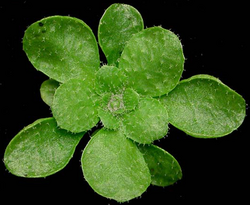
In winter annual varieties of Arabidopsis, a gene called FLOWERING LOCUS C (FLC) acts as a powerful repressor, blocking the plant from flowering. During vernalization, the cold exposure triggers the expression of other genes that interact with the FLC locus, causing it to be epigenetically silenced. This ensures the plant remains in a vegetative state throughout the winter and only flowers once the cold has passed.
Epigenetic Memory and Stability
One of the most fascinating aspects of vernalization is epigenetic memory. Once the FLC gene is silenced by the cold, the plant "remembers" this state. This stability is maintained through structural changes in the DNA, such as the formation of a repressive chromatin loop. This loop physically links different parts of the gene to keep it in an "off" position.
However, the duration of this memory varies. In annual plants, the silencing is permanent for the life of the plant. In perennial plants, such as Arabidopsis halleri, these epigenetic marks can eventually be reset in response to warm temperatures, allowing the plant to manage its reproductive cycle over multiple years.
Devernalization in Agriculture
While vernalization is essential for many crops, there are times when farmers need to reverse the process. This is known as devernalization. By exposing plants to specific temperature shifts, growers can prevent flowering.
A practical example is found in onion cultivation. Commercial growers often store onion sets at low temperatures, but they must devernalize them before planting. By using temperatures above 26.7°C (80°F), they ensure the plant directs its energy into growing a large bulb rather than producing flowers prematurely.
Frequently Asked Questions
What is the difference between vernalization and stratification?
While related, they are distinct. Vernalization refers to the induction of the flowering process through cold, whereas stratification typically refers to the use of cold and moisture to trigger seed germination.
Can a plant be vernalized artificially?
Yes. Scientists and farmers can simulate winter conditions by exposing plants or seeds to controlled low temperatures in a laboratory or storage setting.
Why do some plants not require vernalization?
Some species, known as "summer annuals," have evolved to flower based on other cues, such as day length (photoperiodism), without needing a period of cold dormancy.
Is the vernalized state passed down to the next generation?
In most cases, no. While there is ongoing research into epigenetic mechanisms that might allow for such conversion, the removal of silent chromatin marks during embryogenesis generally prevents the vernalized state from being inherited.
What are "chill hours"?
Chill hours are a measurement used to quantify the amount of time a plant is exposed to specific low temperatures, which is necessary to satisfy its vernalization requirements.