The Crusades: A History of Religious Warfare in the Holy Land
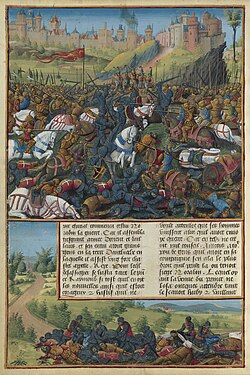
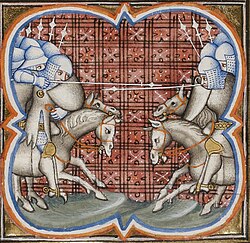
The Crusades were a series of massive military campaigns launched by the papacy between 1095 and 1291. These expeditions were primarily directed against Muslim rulers with the goal of recovering and defending the Holy Land. While the initial focus was on Jerusalem, the movement eventually expanded into a broader ideological tool used by the Catholic Church to combat pagans, Christian dissidents, and other perceived enemies of the papacy.
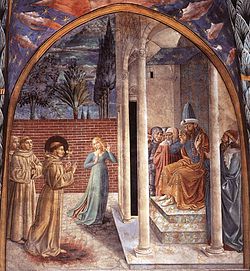
The movement was sparked by the strengthening of the papacy's authority over the Catholic Church and a growing capacity to direct armed force for religious causes. This era saw the birth of complex social and economic institutions, including crusade indulgences (remissions of temporal punishment for sin) and the rise of powerful military orders.
Key Facts
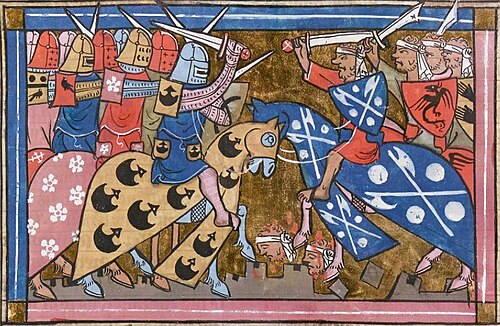
- Timeline: The primary campaigns in the Levant occurred from 1095 to 1291.
- Origin: Proclaimed by Pope Urban II at the Council of Clermont in 1095.
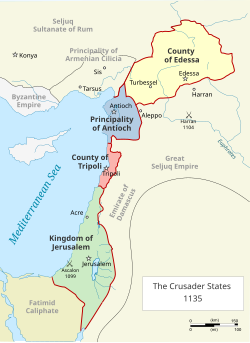
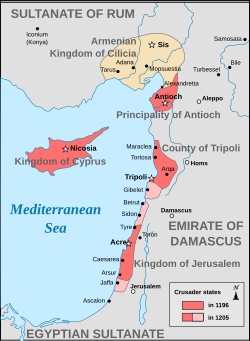
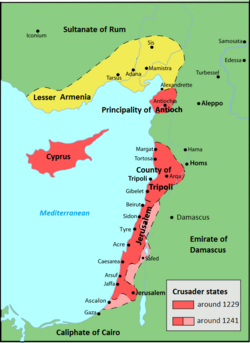
- Crusader States: Four main entities were established: the Kingdom of Jerusalem, the County of Edessa, the Principality of Antioch, and the County of Tripoli.
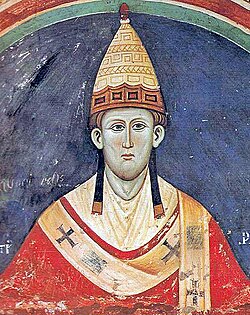
- Key Figures: Notable leaders included Saladin, Richard the Lionheart, and Pope Innocent III.
- Outcome: The fall of Acre in 1291 marked the end of the Crusader presence in the Holy Land.
The First Crusade and the Birth of the Crusader States
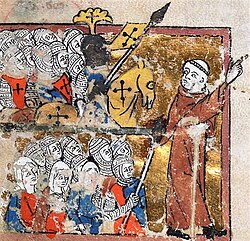
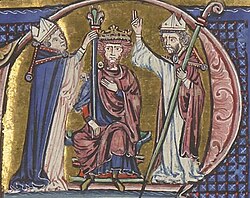
The First Crusade began with a call to arms by Pope Urban II, who promised spiritual rewards to those who reconquered Jerusalem. This initial wave was split into two distinct movements: the People's Crusade, led by figures like Peter the Hermit, and the more organized Princes' Crusade.
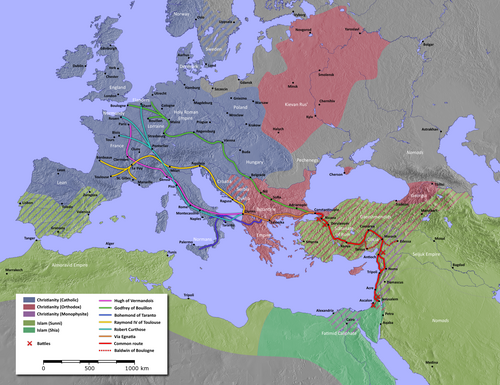
The Princes' Crusade achieved significant success, leading to the capture of Jerusalem and the establishment of four Crusader states in the Levant. These states required constant defense and support from Catholic Europe, necessitating the creation of military orders and the taxation of clerical income to fund their survival.
The Struggle for Survival: Second and Third Crusades

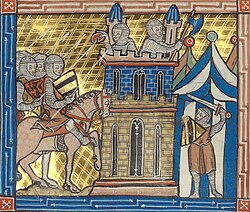
The stability of the Crusader states was short-lived. The fall of Edessa, the capital of the first Crusader state, triggered the Second Crusade in 1148. However, this campaign ended in failure, weakening Latin Christendom's grip on the region.
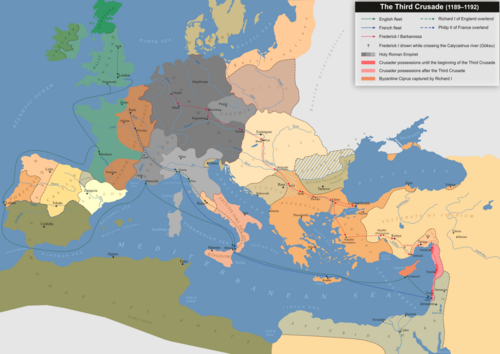
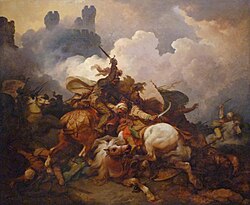
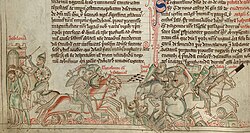
This failure paved the way for the rise of Saladin, who united Egypt and Muslim Syria. In 1187, Saladin dealt a crushing blow to the Crusaders at the Battle of Hattin, leading to the loss of Jerusalem. The Third Crusade was launched as a direct response to this catastrophe. While it managed to revive some of the Crusader states, Jerusalem remained under Muslim control.
Diversion and Expansion: The Fourth through Eighth Crusades
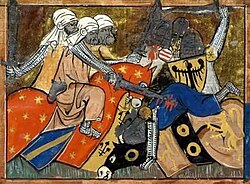
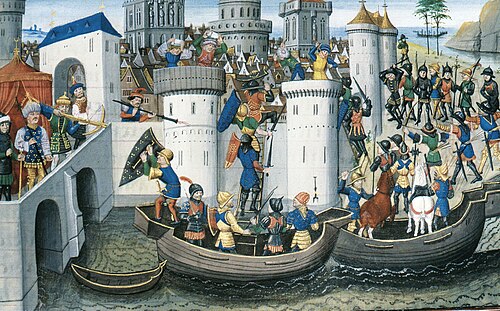
As the movement progressed, its objectives shifted. The Fourth Crusade, originally intended for Egypt, was diverted to the Byzantine Empire, resulting in the Sack of Constantinople in 1204 and the creation of the Latin Empire. The Fifth Crusade again targeted Egypt but failed between 1219 and 1221.
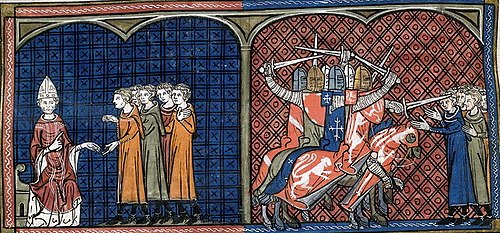
During this period, the concept of crusading expanded. Indulgences were granted for campaigns in Iberia, the Baltic (Northern Crusades), and against the Cathars in southern France (Albigensian Crusade). This diversification diminished the enthusiasm for expeditions in the eastern Mediterranean.
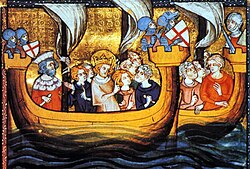
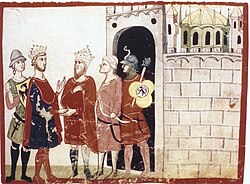
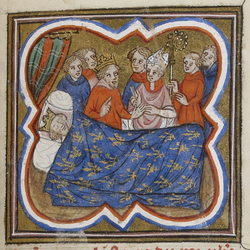
The later campaigns, including the Seventh and Eighth Crusades led by Louis IX of France, struggled against the rising power of the Mamluks. Despite various diplomatic efforts—such as those by Emperor Frederick II—the Crusader presence continued to shrink.
The Fall of the Holy Land
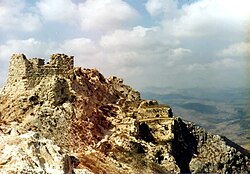
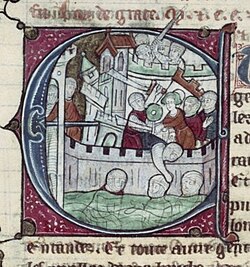
By the late 13th century, the Crusader states were increasingly isolated. The Mamluks, under leaders like Baybars, systematically captured key fortifications, including Beaufort Castle in 1268. The final blow came in 1291 with the Siege of Acre. The fall of this city marked the definitive end of the Crusader rule in the Holy Land.
| Crusade | Approx. Date | Primary Target/Goal | Outcome |
|---|---|---|---|
| First Crusade | 1096–1099 | Jerusalem | Success; established Crusader states |
| Second Crusade | 1147–1149 | Edessa/Damascus | Failure |
| Third Crusade | 1189–1192 | Jerusalem (against Saladin) | Partial success; Jerusalem remained Muslim |
| Fourth Crusade | 1202–1204 | Constantinople | Sack of Constantinople; Latin Empire created |
| Seventh Crusade | 1248–1254 | Egypt | Failure; Louis IX captured |
| Eighth Crusade | 1270 | Tunis | Failure; death of Louis IX |
Frequently Asked Questions
What triggered the start of the Crusades?
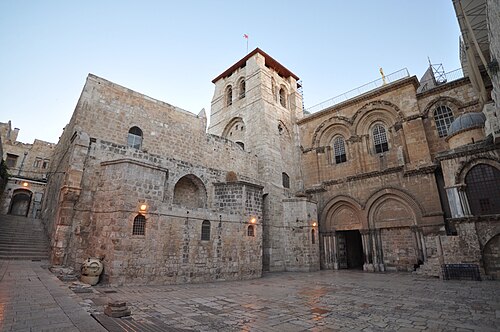
The Crusades were triggered by a combination of geopolitical crises, including the capture of the Church of the Holy Sepulchre by Seljuk Turks in 1071, and a call to arms by Pope Urban II at the Council of Clermont in 1095 to reconquer Jerusalem.
What were the Crusader states?
The Crusader states were four Latin territories established in the Levant after the First Crusade: the Kingdom of Jerusalem, the County of Edessa, the Principality of Antioch, and the County of Tripoli.
Why did the Fourth Crusade fail to reach the Holy Land?
The Fourth Crusade was diverted from its original target of Egypt to the Byzantine Empire, culminating in the Sack of Constantinople in 1204 and the establishment of a Latin Empire in the East.
Who was Saladin and why was he significant?
Saladin was the Muslim leader who united Egypt and Syria. He is most significant for defeating the combined Crusader armies at the Battle of Hattin in 1187 and recapturing Jerusalem.
Did the Crusades only happen in the Middle East?
No. While the most famous campaigns were in the Levant, the crusading movement expanded to include the Iberian Peninsula, the Baltic region (Northern Crusades), and internal European conflicts like the Albigensian Crusade in France.