Al-Mansur Qalawun: The Victorious Sultan of the Bahri Mamluks
In the annals of medieval Egyptian history, few figures loom as large as al-Mansur Qalawun. A former slave who rose through the ranks of the military elite to become the seventh Turkic Bahri Mamluk sultan, Qalawun ruled Egypt from 1279 to 1290. Known as "the Victorious," he not only consolidated Mamluk power but also founded the Qalawunid dynasty, which would maintain control over Egypt for more than a century.
Key Facts
- Reign: November 1279 – November 10, 1290.
- Origin: A Kipchak Turk from the Burj Oghli tribe.
- Dynasty: Founder of the Qalawunid dynasty within the Bahri Mamluk era.
- Military Achievement: Ended the Crusader County of Tripoli in 1289.
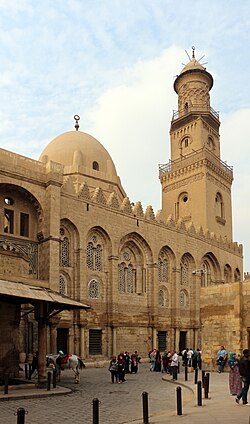
- Legacy: Established the Qalawun complex in Cairo, a center for education and healthcare.
- Nickname: al-Alfi ("the Thousander"), due to his high purchase price as a slave.
Rise to Power: From Slave to Sultan
Qalawun's journey began in the 1220s or 1230s when he was sold into slavery during the Mongol invasions of Kipchak territories (Turkic peoples from the region between the Black and Caspian Seas). Brought to Ayyubid-ruled Egypt at age 14, he was purchased by a mamluk amir (a commander of slave soldiers) for the staggering sum of one thousand dinars.
Despite initially speaking little Arabic, Qalawun's ambition and skill allowed him to ascend the political ladder. He became a prominent emir under Sultan Baibars and later exerted significant influence during the reign of Baibars' son, al-Said Barakah. By 1279, following a period of political instability and the exile of the young sultan Solamish, Qalawun assumed de facto authority and took the royal title al-Malik al-Mansur.
Diplomacy and Strategic Alliances
Qalawun was a master of pragmatic diplomacy. He utilized land control treaties to manage the remaining Crusader states, often imposing terms that favored the Mamluks. For instance, his treaty with Tyre prohibited the city from building new fortifications and granted Qalawun half of the city's tax revenue.
His diplomatic reach extended beyond the Levant. To counter the threats posed by Charles I of Naples, Qalawun forged an alliance with the Byzantine Emperor Michael VIII Palaiologos in 1281. He further expanded Egypt's economic reach by establishing trade alliances with the Kingdom of Sicily and the Republic of Genoa in 1290.
Military Campaigns Against the Crusaders
While a skilled diplomat, Qalawun was an aggressive military leader. He systematically dismantled Crusader strongholds, sacking the Hospitaller fortress of Margat in 1285 and capturing Latakia in 1287. His most significant victory came on April 27, 1289, with the fall of Tripoli, which effectively ended the Crusader County of Tripoli.
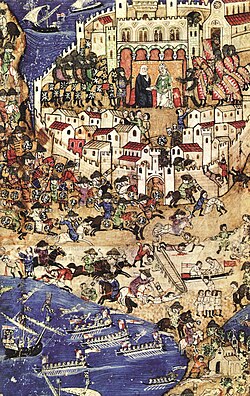
In his final year, Qalawun turned his attention to Acre, a major Crusader stronghold. After a truce was broken by the actions of King Henry's reinforcements, Qalawun laid siege to the city. However, he died in Cairo on November 10, 1290, before the city fell. The conquest of Acre was eventually completed in 1291 by his son and successor, al-Ashraf Khalil.
The Qalawunid Legacy and Family
Qalawun's influence extended into the architectural and social fabric of Cairo. He commissioned the Qalawun complex, a multifunctional site comprising a mausoleum, a madrasa (educational institution), and a maristan (hospital).
His family life was marked by strategic marriages to daughters of Mongol commanders and notables, integrating various ethnic influences into the Mamluk court. His sons, including al-Ashraf Khalil and an-Nasir Muhammad, continued his political trajectory, though the transition of power was often fraught with internal conflict between Turkic and Circassian Mamluks.
| Category | Details |
|---|---|
| Full Royal Name | al-Malik al-Manṣūr Sayf ad-Dīn Qalāwūn |
| Reign Period | 1279 – 1290 |
| Key Conquests | Margat, Latakia, Tripoli |
| Successor | al-Ashraf Khalil |
| Burial Site | Qalawun complex, Cairo |
Frequently Asked Questions
Why was Qalawun called "al-Alfi"?
He earned the nickname al-Alfi, meaning "the Thousander," because he was purchased as a slave soldier for the unusually high price of one thousand dinars.
What was the significance of the Qalawun complex?
The complex served as a mausoleum, a madrasa for religious and legal studies, and a maristan (hospital), representing the sultan's commitment to both piety and public welfare.
How did Qalawun come to power?
After the death of Sultan Baibars, Qalawun acted as the atabeg (tutor/regent) for the young sultan Solamish. He eventually argued that Egypt required an adult ruler, exiled Solamish, and claimed the throne for himself in 1279.
Which major Crusader state did Qalawun dismantle?
Qalawun is most noted for the capture of Tripoli on April 27, 1289, which brought an end to the Crusader County of Tripoli.
Who succeeded Qalawun as Sultan?
He was succeeded by his son, al-Ashraf Khalil, who went on to capture the city of Acre in 1291.