Acre: A Mediterranean Crossroads of Crusader and Ottoman History
Perched on the coast of Northwest Israel, Acre (also known as Akko) is a city where millennia of human civilization overlap. From its origins as a Bronze Age settlement to its role as the final stronghold of the Crusaders in the Holy Land, Acre has served as a vital maritime gateway to the southern Levant. Today, it is a vibrant mixed city and a UNESCO World Heritage site, blending ancient fortifications with a diverse modern population.
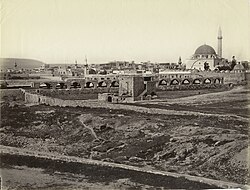
The city's strategic location has made it a prize for countless empires. Its history is etched into its stone walls, from the ruins of the Crusader period to the grand mosques and baths of the Ottoman era. Whether as a center of trade, a military fortress, or a spiritual sanctuary for the Baháʼí Faith, Acre remains one of the most historically significant ports in the Mediterranean.
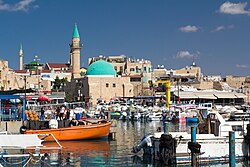
Key Facts
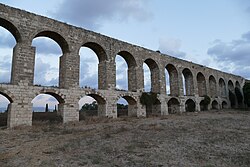
- UNESCO Status: The Old City of Acre was inscribed as a World Heritage Site in 2001.
- Ancient Roots: Settlements date back to 3000 BC (Bronze Age) and 1550 BC (Canaanite).
- Crusader Legacy: It was the last Crusader stronghold in the Holy Land until the siege of 1291.
- Demographics: A mixed city with a population of 52,885 (2024), comprising approximately 67.6% Jews and others, and 32.4% Arabs.
- Spiritual Significance: It is the holiest city in Israel for the Baháʼí Faith.
A Journey Through Time: From Antiquity to the Middle Ages
Ancient Foundations
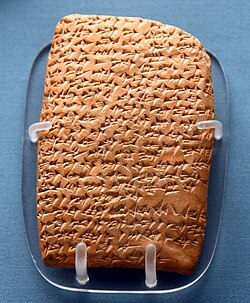
Acre's history begins in the Early Bronze Age around 3000 BC, followed by a Canaanite settlement around 1550 BC. Over the centuries, the city changed hands frequently, captured by figures such as Alexander Jannaeus, Tigranes the Great, and Cleopatra. During the reign of Herod the Great, the city saw the construction of a gymnasium, marking its integration into the Greco-Roman world.
The Crusader Era
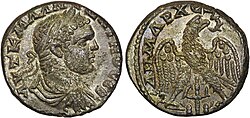
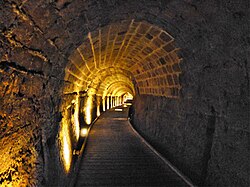
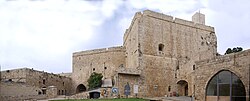
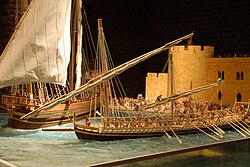
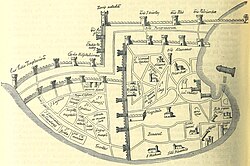
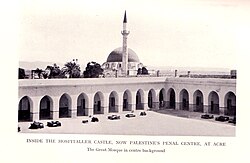
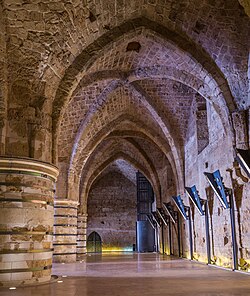
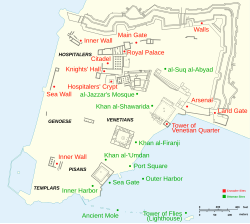
Acre rose to global prominence during the Crusades, serving as a critical maritime foothold. It was the site of legendary conflicts, most notably the Siege of Acre (1189–1191) and the final Siege of 1291. For decades, it functioned as the capital of the remaining Crusader territories. The architectural remnants of this era, including the massive Hospitaller fortress and the Templar Tunnel, still define the city's subterranean and surface landscape.
Mamluk and Ottoman Transitions
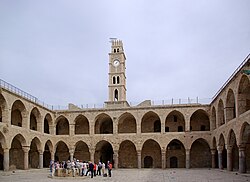
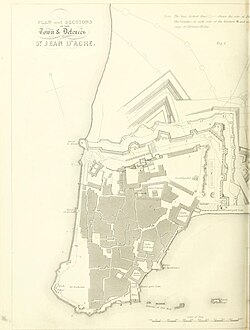
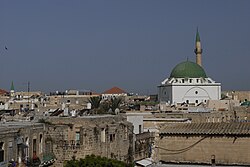
Following the Mamluk conquest in 1291, the city was largely destroyed and spent centuries as a modest fishing village. It wasn't until the 18th century, under the rule of Daher al-Umar, that Acre experienced a significant revival. The Ottoman period saw the reinforcement of the city walls by Jazzar Pasha, which famously withstood Napoleon's siege. This era left behind the stunning El-Jazzar Mosque and the Khan al-Umdan, a historic caravanserai (an inn for travelers and merchants).
The Old City and Architectural Heritage
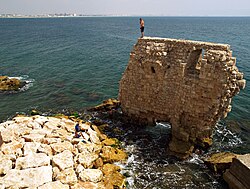
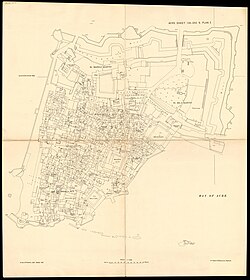
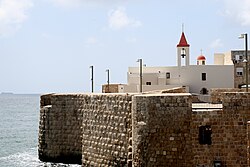
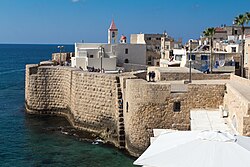
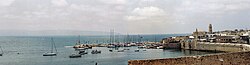
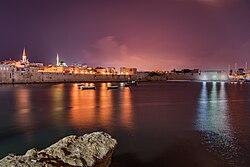
The Old City of Acre is a living museum. Its fortification system evolved over centuries, with the current walls built upon Crusader foundations. These walls, reaching heights of 10 to 13 meters, protect a dense network of bazaars, churches, and mosques.
Notable Landmarks
- The Citadel and Hospitaller Fortress: Massive structures that showcase medieval military engineering.
- El-Jazzar Mosque: A centerpiece of Ottoman architecture in the city.
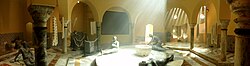
- Hammam al-Basha: A traditional Turkish bathhouse reflecting Ottoman social life.
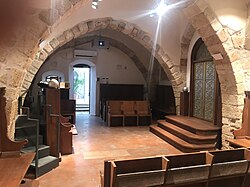
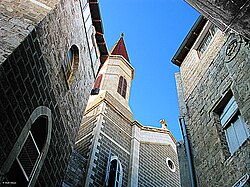
- Religious Diversity: The city hosts the Ramchal Synagogue, Saint John the Baptist Church, and the Terra Sancta Church.
Modern Acre: Demographics and Culture
In the 20th century, Acre underwent dramatic shifts. During the British Mandate, it was a predominantly Arab town. Following the 1948 Arab-Israeli war, the population changed significantly as it was resettled by Jewish immigrants. Today, Acre is recognized as one of Israel's mixed cities, where Jews, Muslims, Christians, Druze, and Baháʼís coexist.
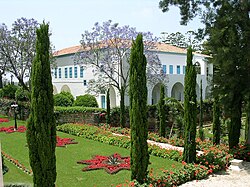
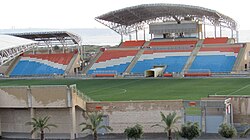
The city is also a hub for sports and arts, home to the Hapoel Acre F.C. football team and the annual Acre Fringe Theatre Festival. Beyond the city walls, the Baháʼí shrine at the Bahji mansion attracts pilgrims from around the world.
City Profile Summary
| Category | Details |
|---|---|
| Total Population (2024) | 52,885 |
| Ethnic Composition | 67.6% Jews/Others, 32.4% Arabs |
| Total Area | 13.533 km² |
| UNESCO Site Area | 63.3 ha (Old City) |
| Current Mayor | Amihai Ben Shlush (since 2024) |
Frequently Asked Questions


Why is the Old City of Acre a UNESCO World Heritage Site?
The Old City is recognized for its unique cultural value, specifically its well-preserved Crusader and Ottoman layers, which provide a rare architectural record of the Mediterranean's history.
What is the significance of Acre to the Baháʼí Faith?
Acre is the holiest city of the Baháʼí Faith in Israel, housing sacred sites and shrines that attract thousands of pilgrims annually.
Who were the Mamluks in the context of Acre's history?
The Mamluks were the power that captured Acre in 1291, ending Crusader rule in the Holy Land and destroying much of the city to prevent its reuse as a military base.
What is the current demographic makeup of the city?
Acre is a mixed city. As of 2024, the population is approximately 67.6% Jewish and other groups, and 32.4% Arab, including Muslims, Christians, and Druze.
What are the most famous architectural remains from the Crusader period?
The most prominent remains include the Hospitaller fortress, the Templar Tunnel, and the foundations of the city walls upon which the later Ottoman fortifications were built.