Cilician Armenia: The Rise and Fall of the Medieval Armenian Kingdom
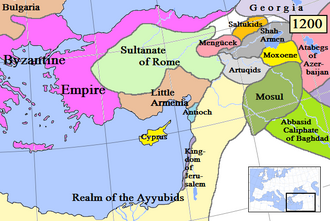
Between 1080 and 1375, a resilient Armenian state flourished on the Mediterranean coast in a region known as Cilicia. Emerging from the chaos of the Seljuk Empire's expansion and the decline of Byzantine authority, this entity evolved from a small principality into a sophisticated kingdom. Known as Cilician Armenia, it served as a vital bridge between the Christian West and the East, navigating complex alliances with the Crusaders and the Mongol Empire to survive in a volatile geopolitical landscape.
Key Facts
- Duration: 1080–1375 (Principality from 1080–1198; Kingdom from 1198–1375).
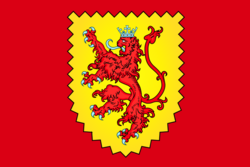
- Dynasties: Primarily ruled by the Rubenids, followed by the Hethumids and later the Lusignans.
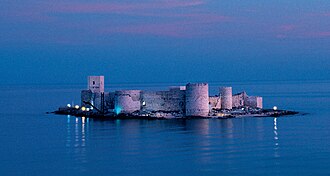
- Capitals: Tarsus (early period) and Sis (later period).
- Religion: Christianity, specifically the Armenian Apostolic and Armenian Catholic faiths.
- Key Allies: The Mongol Ilkhanate and various Crusader states.
- Final Adversary: The Mamluk Sultanate of Egypt.
The Emergence of the Rubenid Principality
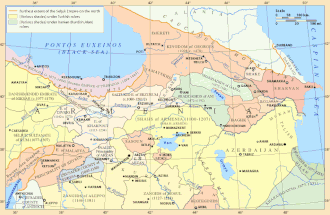
The foundations of Cilician Armenia were laid in 1080 by Ruben, a nobleman with ties to the last Bagratid king, Gagik II. Following the assassination of Gagik II by the Byzantines, Ruben organized Armenian troops to revolt against the Byzantine Empire. This act of defiance established an independent Armenian princedom centered around strategic fortresses in the Taurus Mountains.

The Rubenid dynasty faced internal competition from other Armenian lords, most notably the Hethumids, founded by the former Byzantine general Oshin. While the Rubenids maintained primary control, the region remained a patchwork of influence involving various Armenian lords in cities like Edessa, Marash, and Malatia.
Interaction with the First Crusade
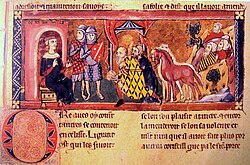
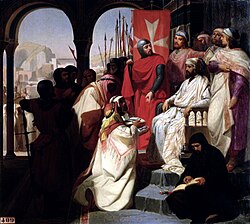
The arrival of the First Crusade brought new dynamics to the region. The Armenians established early ties with the Latin knights, as seen in the homage paid to Baldwin of Boulogne in Edessa. These relationships provided a strategic buffer against the Seljuk Turks, though tensions occasionally flared with the Principality of Antioch over border fortifications.
Transition to a Kingdom
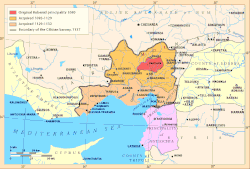
Under Prince Levon I (reigned from 1129), the principality expanded its reach by integrating coastal cities, which solidified Armenian commercial dominance in the Mediterranean. Despite periods of Byzantine captivity and conflict, the state continued to grow in prestige.
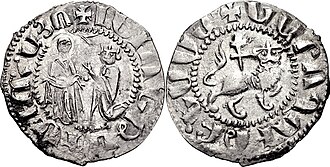
The turning point occurred on January 6, 1198, when Leo I (Levon I) was crowned King of Armenia, officially transforming the principality into a kingdom. This era marked the peak of the Rubenid dynasty's political legitimacy.
The Hethumid Dynasty and the Mongol Alliance
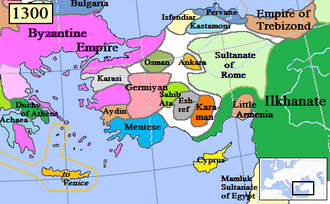
In 1226, the crown passed to the Hethumid dynasty through the marriage of Hethum I to Queen Isabella. Facing the existential threat of the Mamluks, the Hethumid rulers pursued a pragmatic and bold foreign policy: an alliance with the Mongol Empire.
King Hethum I and his successors recognized that the Mongols, who had conquered vast swathes of Central Asia, could provide the military muscle needed to deter Muslim adversaries. This Armeno-Mongol alliance was a cornerstone of the kingdom's survival for decades, though it required paying significant tributes to the Mongol khans.
![Hethum I (seated) in the Mongol court of Karakorum, "receiving the homage of the Mongols".[26] Miniature from "Histoire des Tartars", Hayton of Corycus, 1307.](/images/2c/e8/2ce8d9960f031264ef8b5c0c94383c852b2001e2c5ab2cbee2e2f3bf7fb570dd.jpg)
The Mamluk Threat and Military Struggles
Despite the Mongol alliance, the Mamluks of Egypt launched devastating raids. In 1275, a Mamluk invasion resulted in the burning of the royal palace and the Church of Saint Sophia in Tarsus, with thousands of civilians killed or captured. In 1299, King Hethum II joined the Mongol khan Ghâzân in a campaign against the Mamluks, resulting in a victory at the Battle of Wadi al-Khazandar. However, these gains were temporary, and the Mamluks regained control of the region shortly after.
![Ghazan ordering King Hetum II to accompany Kutlushah on the 1303 attack on Damascus.[34]](/images/01/70/0170ced8d5af08a92834fdf479a18dabfce6e2e739b76fca29e0d84b1e0d6f19.jpg)
Culture, Economy, and Religion
Cilician Armenia was a cosmopolitan hub where Armenian, Latin, Greek, and Italian cultures intersected. The economy thrived on Mediterranean trade, and the arts flourished, as evidenced by the illuminated manuscripts of Toros Roslin.
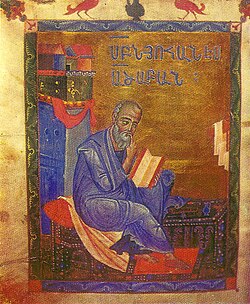
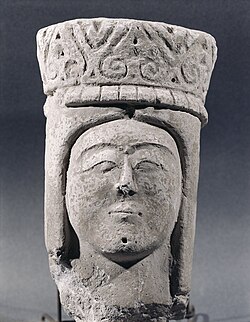
The Catholicosate (the leadership of the Armenian Apostolic Church) moved its seat several times to avoid conflict in the Armenian highlands, eventually settling in Hromkla. The church was supported by a network of bishops in cities like Sis and Tarsus, and approximately sixty monastic houses operated throughout the kingdom.
The Decline and Fall of the Kingdom
By the 14th century, the kingdom's regional allies—the Crusader states and the Mongol Ilkhanate—had disintegrated. The ascension of the Lusignan dynasty introduced internal strife, as the new leadership attempted to "Latinize" the Armenian Church, causing friction with the local population.
Weakened by internal religious conflict and ignored by European powers despite pleas for a new crusade, the kingdom finally collapsed. In 1375, the Mamluks captured the capital of Sis and the fortress of Gaban. The final monarch, Levon V, fled to Castile and later died in exile in Paris in 1393.
![Armenian Cilicia on the Catalan Atlas (1375) appears heavily fortified within green walls, with its ports and flags ( ) clearly visible.[42][43][44]](/images/45/52/4552aa549bf97f66d7872f8ca45c3ff44baa1c4c1d25ead96c350997045ebbff.jpg)
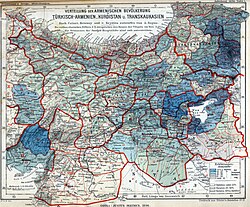
Following the fall, the title of King of Armenia was eventually united with the crowns of Cyprus and Jerusalem. While the political entity vanished, a substantial Armenian population remained in the region, particularly in the Kozan sanjak, until the early 20th century.
| Feature | Details |
|---|---|
| Timeline | 1080–1375 |
| Political Status | Principality (1080–1198) $\rightarrow$ Kingdom (1198–1375) |
| Major Dynasties | Rubenid, Hethumid, Lusignan |
| Primary Capitals | Tarsus, Sis |
| Estimated Population | 1,000,000+ (13th century) |
| Total Area | ~40,000 km² (13th century) |
Frequently Asked Questions
How did Cilician Armenia begin?
It began in 1080 when Prince Ruben led a revolt against the Byzantine Empire in the region of Cilicia, establishing an independent Armenian principality after the fall of the Bagratid kingdom in the Armenian highlands.
Why did the Armenians ally with the Mongols?
The Armenian rulers, particularly under the Hethumid dynasty, sought a strategic alliance with the Mongol Empire to protect themselves from the aggressive expansion of the Mamluk Sultanate of Egypt.
What caused the eventual fall of the kingdom?
The kingdom fell due to a combination of relentless Mamluk attacks, the collapse of its Mongol and Crusader allies, and internal religious conflicts stemming from the Lusignan dynasty's attempts to Latinize the Armenian Church.
Who was the last king of Cilician Armenia?
The last king was Levon V, who was captured by the Mamluks in 1375. He eventually found refuge in Castile and France, where he died in exile in 1393.
What was the significance of the city of Sis?
Sis served as the capital of the Armenian Kingdom of Cilicia from 1198 until its fall in 1375, acting as the political and religious center of the state.