Snow Pillows: Measuring Snowpack and Water Equivalent
Accurately measuring the amount of water stored in a winter snowpack is critical for hydrologists, meteorologists, and engineers. One of the most reliable tools for this task is the snow pillow, a specialized device designed to quantify the water equivalent of snow through the application of physics.
How Snow Pillows Work
A snow pillow operates based on the principle of hydrostatic pressure—the pressure exerted by a fluid (or in this case, the weight of the snow) at equilibrium due to the force of gravity. As snow accumulates on top of the pillow, the device measures the pressure created by the overlying snowpack to determine the snow water equivalent (SWE).
To ensure accuracy, these devices are built with significant surface areas, typically measuring around 9 square metres (11 sq yd). This large dimension is intentional; it minimizes discrepancies caused by bridging, which occurs when snow forms a structural arch over an object rather than resting fully upon it.
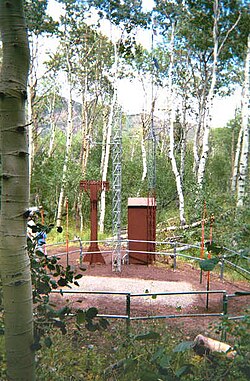
Primary Applications
Since their development in the early 1960s, snow pillows have become essential in several fields of environmental monitoring and safety.
Automated Reporting Stations
Snow pillows are frequently deployed at automated reporting stations, such as SNOTEL (Snow Telemetry), where they provide continuous, real-time data on snowpack levels without requiring manual site visits.
Structural Safety
Beyond environmental science, these devices are used to estimate the total weight of snow accumulating on roofs. This data serves as a critical warning system to prevent potential roof collapses under extreme winter loads.
Key Facts
- Purpose: Measures the water equivalent of the snowpack.
- Mechanism: Utilizes hydrostatic pressure from overlying snow.
- Standard Size: Typically 9 square metres (11 sq yd) to reduce bridging errors.
- Origin: Developed in the early 1960s.
- Common Use: Integrated into SNOTEL automated reporting stations.
| Feature | Detail |
|---|---|
| Measurement Basis | Hydrostatic Pressure |
| Typical Surface Area | 9 m² (11 sq yd) |
| Primary Goal | Determine Snow Water Equivalent (SWE) |
| Key Application | SNOTEL stations and roof load monitoring |
Frequently Asked Questions
What is a snow pillow?
A snow pillow is a measurement device used to determine the water equivalent of a snowpack by measuring the pressure exerted by the snow resting on its surface.
How does a snow pillow prevent measurement errors?
By using a large surface area (typically 9 square metres), the device minimizes the effect of bridging, ensuring the weight of the snow is measured accurately.
What is SNOTEL?
SNOTEL refers to automated reporting stations that use tools like snow pillows to provide remote telemetry data on snowpack conditions.
Can snow pillows be used for building safety?
Yes, they can be used to estimate snow weight on roofs to provide warnings regarding the potential for roof collapse.
When were snow pillows first developed?
Snow pillows were developed in the early 1960s.