Shell plc: Evolution of a Global Energy Giant
Shell plc is one of the world's most prominent energy companies, operating a vast global network that spans the entire value chain of petroleum and natural gas. From its early roots in the Dutch East Indies to its current status as a diversified energy leader, the company has played a pivotal role in powering the modern industrial age. Today, headquartered in London, Shell manages a complex portfolio of products including LNG (Liquefied Natural Gas), lubricants, and petrochemicals.
The company's journey is marked by strategic mergers and a gradual shift toward a broader energy mix. Originally formed through the union of the Royal Dutch Petroleum Company and the "Shell" Transport and Trading Company, the entity has evolved into a public company traded on the London Stock Exchange, Euronext Amsterdam, and the New York Stock Exchange.
Key Facts
- Founded: April 1907 (as Royal Dutch Shell).
- Headquarters: Shell Centre, London, England.
- Leadership: Sir Andrew Mackenzie (Chairman) and Wael Sawan (CEO).
- 2025 Financials: Revenue of US$266.9 billion with a net income of US$18.1 billion.
- Workforce: Approximately 96,000 employees (as of 2026).
- Major Brands: Pennzoil, Jiffy Lube, Quaker State, and Shell V-Power.
Historical Foundations and Growth
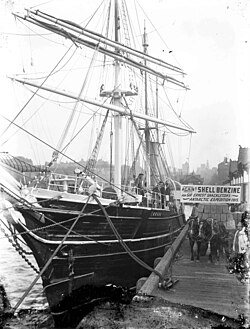
The origins of Shell trace back to the late 19th century. The Royal Dutch Petroleum Company was established in 1890, followed by the "Shell" Transport and Trading Company in 1897. These two entities merged in 1907 to form Royal Dutch Shell, creating a powerhouse capable of competing on a global scale.
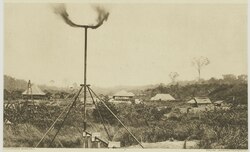
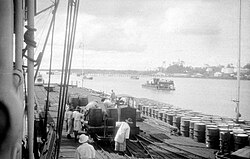
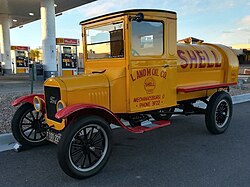
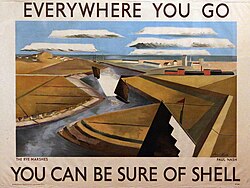
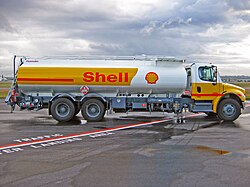
Throughout the 20th century, Shell expanded its infrastructure rapidly. This included the development of massive docks in the Dutch East Indies and the deployment of specialized transport, such as the Ford Model TT-based tank trucks in the 1920s. The company also became known for its cultural contributions, commissioning art for advertisements, including works by surrealist painter Paul Nash.
The Mid-Century Expansion
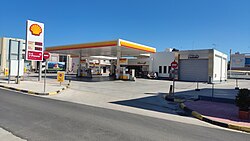
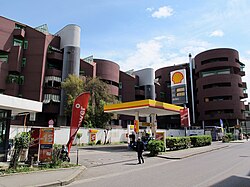
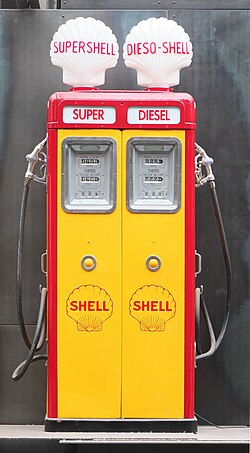
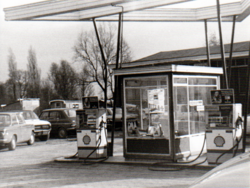
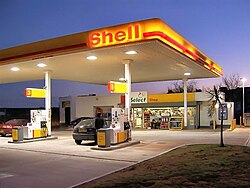
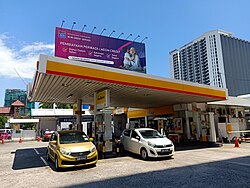
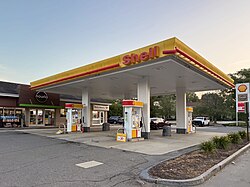
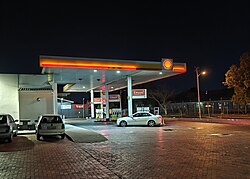
By the 1950s and 60s, Shell had established a ubiquitous presence through its filling stations and garages. The company focused on vertical integration—the process of controlling multiple stages of production and distribution—which allowed it to manage everything from the oil well to the petrol pump.
Modern Operations and Business Structure
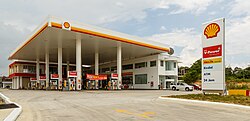
In the 21st century, Shell has transitioned its corporate structure to be more streamlined. In 2022, it simplified its share structure and moved its headquarters to London. The company's operations are now divided into several key business groupings to optimize efficiency across different energy sectors.
Revenue Distribution by Business Segment
Shell's financial health is distributed across various operational arms, with Chemicals and Products and Service Stations making up the largest shares of its business.
| Business Segment | Share (%) |
|---|---|
| Chemicals and Products | 37.9% |
| Service stations | 31.6% |
| Integrated Gas | 14.4% |
| Renewable and Energy Solutions | 13.9% |
| Upstream | 2.2% |
| Corporate Segment | 0.0% |
Global Reach and Regional Presence
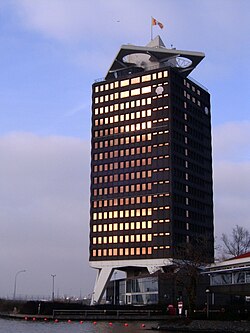
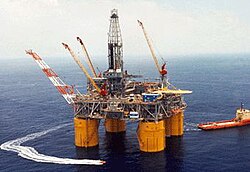
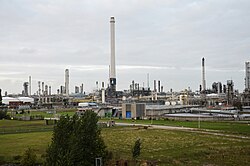
Shell operates worldwide, with significant assets in Asia, Oceania, Africa, the United States, and Europe. Its infrastructure ranges from the massive Shell Pernis refinery in Rotterdam—Europe's largest—to deep-water platforms like the Mars platform in the Gulf of Mexico.
The Transition to Alternative Energy
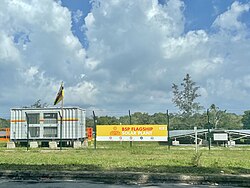
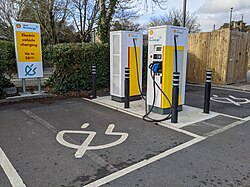
Recognizing the global shift toward sustainability, Shell has invested heavily in alternative energy. This includes the development of solar plants, such as the flagship facility in Panaga, Brunei, and the expansion of the Shell Recharge network for electric vehicles.
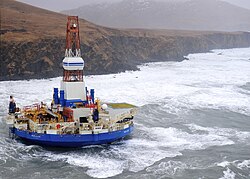
Despite these advancements, the company continues to maintain a presence in traditional extraction, utilizing advanced technology like the Kulluk conical drilling unit for challenging environments.
Corporate Governance and Ownership
Shell is primarily owned by institutional investors. As of the end of 2024, the largest shareholders include Vanguard, Norges Bank, and BlackRock Investment Management UK. This institutional ownership ensures a focus on long-term financial stability and shareholder value.
Frequently Asked Questions
What are the primary products sold by Shell?
Shell produces and sells a wide range of energy products, including petroleum, natural gas, LNG, lubricants, and various petrochemicals.
Where is Shell's global headquarters located?
The company is headquartered at the Shell Centre in London, England.
How is Shell moving toward renewable energy?
Shell is investing in solar energy plants, expanding its Shell Recharge rapid charging network for electric vehicles, and developing other renewable energy solutions.
Who are the current leaders of Shell plc?
The company is currently led by Chairman Sir Andrew Mackenzie and CEO Wael Sawan.
Which regions contribute most to Shell's operations?
The largest regional shares come from Asia, Oceania, and Africa (33.2%), followed by the United States (22.8%) and Europe (22.5%).