Natural Gas: Composition, Extraction, and Environmental Impact
Natural gas, also known as methane gas or fossil gas, is a naturally occurring fossil fuel found in deep geological formations. It serves as a critical energy source for heating, electricity, and industrial processes worldwide. While it is often viewed as a cleaner alternative to coal or oil, its role in the global energy transition is complex due to its chemical properties and its impact on the atmosphere.
At its core, natural gas is a mixture of gaseous hydrocarbons. It consists primarily of methane (approximately 95%), with smaller amounts of higher alkanes and trace elements such as nitrogen, carbon dioxide, helium, and hydrogen sulfide.
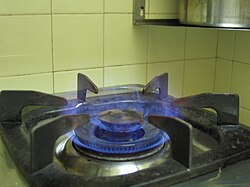
Key Facts
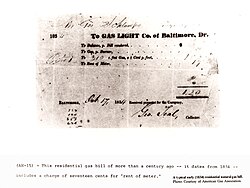
- Primary Component: Methane makes up about 95% of natural gas.
- Formation: Created over millions of years from the thermal decomposition of organic matter (mostly marine microorganisms) under intense heat and pressure.
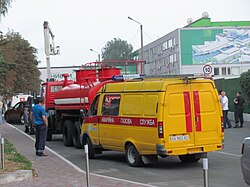
- Safety: Naturally colorless and odorless; a commercial odorizer like methanethiol is added to help detect leaks.
- Climate Impact: Methane is the second-greatest greenhouse gas contributing to global climate change after carbon dioxide.
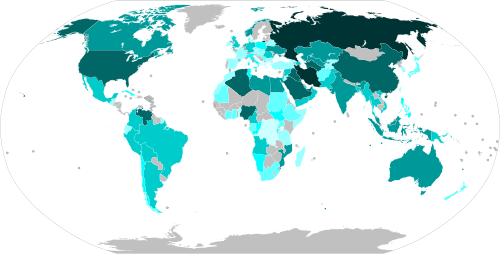
- Largest Field: The South Pars/North Dome field, shared by Iran and Qatar, is the world's largest.
How Natural Gas is Formed and Extracted
The journey of natural gas begins millions of years ago. Organic matter, primarily marine microorganisms, is buried under layers of sediment. In oxygen-free conditions, intense underground heat and pressure decompose this matter, storing the energy originally captured from the sun via photosynthesis as chemical energy within hydrocarbon molecules.
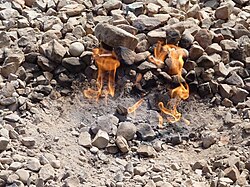
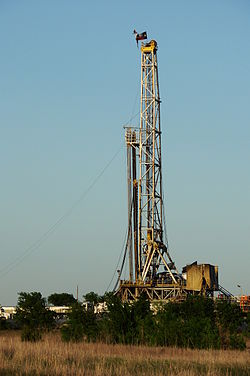
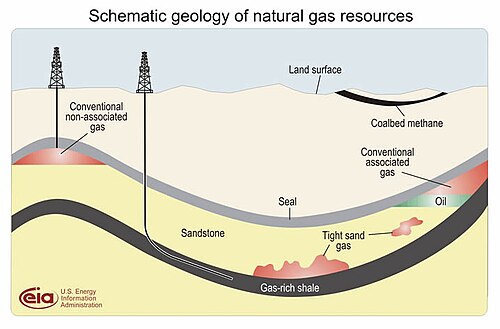
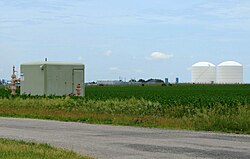
Most natural gas is extracted from underground geological formations. It is frequently found alongside petroleum and coal. In many cases, natural gas is a byproduct of oil production; in these instances, it may be collected, flared (burned off), or vented into the atmosphere.
Types of Gas Deposits
Gas deposits are generally categorized into conventional and unconventional sources. Shale gas is a prominent example of an unconventional source, trapped within shale rock formations. Estimates suggest there are approximately 900,000 cubic kilometers of unconventional gas globally, with about 180,000 cubic kilometers potentially recoverable.
Processing, Transport, and Storage
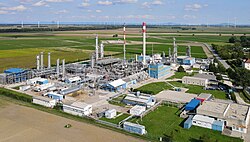
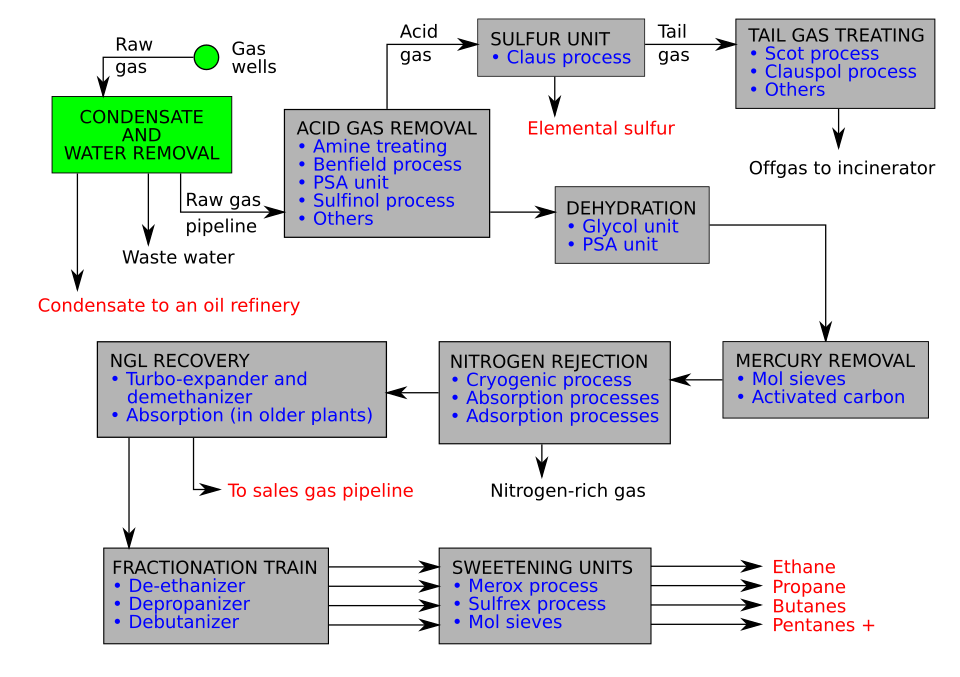
Once extracted, raw natural gas must be processed to remove impurities and separate natural gas liquids. This ensures the gas meets safety and quality standards for consumer use.
Transportation Methods
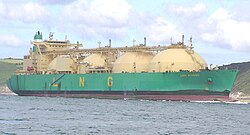
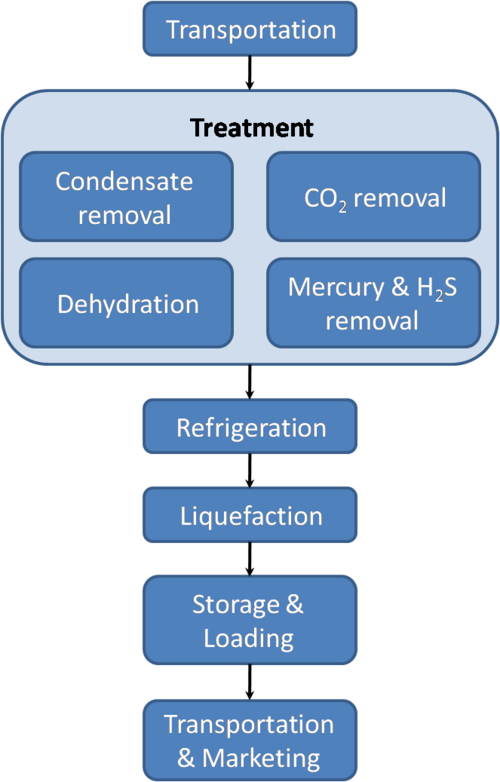
Natural gas is transported via two primary methods: high-pressure pipelines and shipping. For long-distance overseas transport, the gas is converted into Liquefied Natural Gas (LNG). This process involves cooling the gas to extremely low temperatures, significantly reducing its volume for efficient transport on specialized carriers.
Storage and Distribution
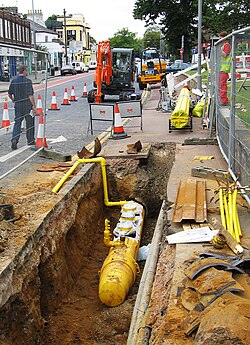
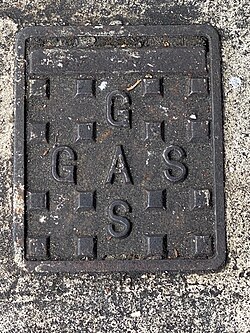
Storage often occurs in underground formations, such as salt domes, to manage seasonal demand. For domestic delivery, gas is moved through a network of pipelines, often using polyethylene plastic mains in urban areas, eventually reaching the consumer through manholes and domestic supply lines.
Applications of Natural Gas
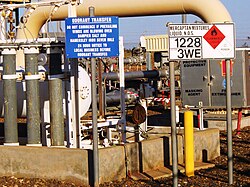
![Construction close to high-pressure gas-transmission pipelines is discouraged, often with standing warning signs.[64]](/images/04/d0/04d06a9839d967424c4759c84aac88e33d75717d6919dd19cf949fc8d3d7793c.jpg)
Natural gas is highly versatile, powering everything from home appliances to heavy industry.
- Power Generation: Used in plants to generate electricity.
- Domestic Use: Used for residential heating and cooking.
- Transportation: Used as a fuel for buses and specialized automobiles (e.g., the Honda Civic GX).
- Industrial Use: Essential for producing fertilizers, hydrogen, and olefins (alkenes).


Environmental and Health Considerations

The environmental profile of natural gas is a subject of significant scientific debate. When burned, it emits fewer toxic air pollutants and less carbon dioxide than coal or oil, and produces almost no particulate matter.
However, the industry is a major driver of climate change due to fugitive emissions—unintended leaks of methane throughout the supply chain. Because methane has a higher effect on radiative forcing (the warming influence of greenhouse gases) than carbon dioxide, these leaks can give natural gas a carbon footprint similar to or greater than other fossil fuels.
![The warming influence (called radiative forcing) of long-lived greenhouse gases has increased substantially in the last 40 years, with carbon dioxide and methane being the dominant drivers of global warming.[119]](/images/ac/47/ac47769b3a544fa2d14251cefa74f60adeb662340463ddaf1d93130afe2ec568.webp)
The 2023 IPCC Sixth Assessment report noted that new fossil gas infrastructure is only suitable if paired with carbon capture and fugitive gas prevention technologies to avoid emissions overshoot or the creation of stranded assets.
![Deaths caused by use of fossil fuels such as natural gas (areas of rectangles in chart) greatly exceed those resulting from production of wind energy, nuclear energy or solar energy (rectangles barely visible in chart).[118]](/images/8b/91/8b9196e532c51cce0c7e089c0e98526844f337dc8332df2b5fc0c220c426a42e.webp)
Technical Specifications Summary

| Property | Value / Description |
|---|---|
| Primary Composition | Methane (~95%) |
| Density (relative to air) | 0.58 to 0.79 (Generally < 0.64) |
| Energy Content (US Units) | ~1,028 BTU per standard cubic foot |
| Odor | Naturally odorless (methanethiol added for safety) |
| Physical State (LNG) | Liquefied via cryogenic cooling |
Frequently Asked Questions
![The U.S. and Russia have been the predominant producers of natural gas.[182]](/images/f7/8c/f78c1798652d2690ab045d1240bf20d1eb63bf54b7cf53b8f1a5187d3e17df8b.webp)
Why does natural gas smell like rotten eggs?
Pure natural gas is colorless and odorless. To ensure that leaks can be detected quickly for safety reasons, a commercial odorizer such as methanethiol is added, which mimics the smell of hydrogen sulfide.
Is natural gas better for the environment than coal?
When burned for electricity, natural gas emits less carbon dioxide and fewer toxic pollutants than coal. However, methane leaks during production and transport can significantly offset these benefits due to methane's potent greenhouse effect.
What is the difference between natural gas and LNG?
Natural gas is the gaseous fossil fuel in its natural state. LNG (Liquefied Natural Gas) is that same gas cooled to a liquid state, which makes it much easier to transport across oceans in specialized ships.
What are unconventional gas sources?
Unconventional sources refer to gas trapped in formations that are harder to extract than traditional reservoirs, such as shale gas, which requires specific techniques like fracking to be recovered.
What is radiative forcing in the context of natural gas?
Radiative forcing refers to the warming influence of greenhouse gases in the atmosphere. Methane is a dominant driver of global warming because it has a stronger radiative forcing effect than carbon dioxide.