Ribbons: History, Materials, and Cultural Significance
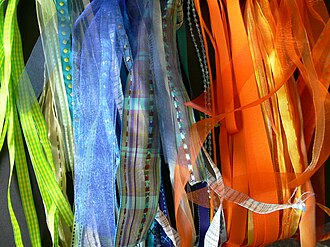
A ribbon is a thin band of material used primarily for tying and decorative binding. While most commonly associated with cloth, ribbons can also be crafted from plastic or metal. From high-fashion garments and intricate hair accessories to symbolic gestures of support, ribbons serve a diverse array of useful, ornamental, and symbolic purposes across global cultures.
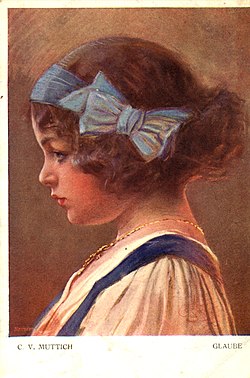
These versatile bands are integrated into hair styling, body adornments, and the decoration of buildings, packaging, and even animals. The variety of textures and finishes available allows them to suit any aesthetic, from the luxurious sheen of silk to the rugged utility of jute.
Key Facts
- Composition: Made from natural fibers (silk, cotton, jute) or synthetics (polyester, nylon, polypropylene).
- Common Fabrics: Popular choices include satin, organza, sheer, silk, velvet, and grosgrain.
- Industrial Origin: Ribbon-weaving was established near St. Etienne, France, as early as the 11th century.
- Technical Use: Beyond decoration, ribbons are used in typewriters and dot matrix printers to hold ink.
- Symbolism: Used globally as "awareness ribbons" to signal support for social causes.
Materials and Fabric Types
The choice of material determines the ribbon's durability, appearance, and use. Natural materials like silk and cotton provide a classic feel, while synthetic options such as polypropylene and nylon offer increased resilience.
Different weaving techniques produce distinct fabric types, each with unique characteristics:
- Satin: Known for its high luster and smooth surface.
- Grosgrain: A heavier, ribbed fabric.
- Organza and Sheer: Lightweight, translucent materials.
- Velvet: A soft, dense pile fabric.
The Evolution of Ribbon Manufacturing
The production of cloth ribbons is a specialized branch of the textile industry. The defining feature of a ribbon loom is its ability to weave two or more webs simultaneously within a single frame; modern looms can produce up to forty narrow fabrics at once.
Early Industrial History
Self-acting ribbon looms existed more than a century before Cartwright's famous inventions. Records show such looms operating in Danzig in the late 16th century and in Leiden by 1620. The efficiency of these machines initially caused significant social unrest, leading to prohibitions in several European industrial centers. By 1676, the "Dutch loom" reached London, and by 1745, John Kay and Joseph Stell patented further improvements to the machinery.
Global Expansion
St. Etienne, France, has served as the European headquarters for ribbon-weaving since the 11th century. During the Huguenot troubles, weavers migrated to Basel, establishing a rival industry. In the late 19th century, C.M. Offray brought this expertise to North America, founding C.M. Offray & Sons, Inc.
In the mid-to-late 1990s, a surge in clothing industry trends led to improved manufacturing techniques. This era saw a shift in production toward the Far East, particularly China, which became a dominant global supplier due to competitive rates and high quality.
Symbolism and Cultural Use
Beyond their physical utility, ribbons carry deep symbolic meaning. Awareness ribbons are worn to show support for various social causes. Similarly, ribbon-cutting ceremonies mark the official opening of new ventures.
The Yellow Ribbon
The yellow ribbon became a poignant symbol for waiting for armed services members to return home. This tradition was popularized by the 1973 song "Tie a Yellow Ribbon Round The Ole Oak Tree" and was widely used during the First Gulf War and the conflicts in Iraq and Afghanistan.
Artistic Expressions
Ribbons have inspired diverse art forms. Great Lakes and Prairie Native American tribes developed appliqué ribbon work, inspired by European silk ribbons. In a modern context, the sculpture Ribbons by Pippa Hale in Leeds, UK, uses the ribbon as a motif to symbolize the binding of women's names across time and space in a celebration of womanhood.

Ribbon Summary Table
| Category | Examples/Materials | Primary Use |
|---|---|---|
| Natural Fabrics | Silk, Cotton, Jute | Luxury apparel, traditional crafts |
| Synthetic Fabrics | Polyester, Nylon, Polypropylene | Mass-market clothing, durable binding |
| Specialty Weaves | Satin, Grosgrain, Velvet | Ornamental decoration, lingerie |
| Technical Ribbons | Cloth or Plastic (ink-soaked) | Typewriters, dot matrix printers |
| Symbolic Ribbons | Various colors (e.g., Yellow, Pink) | Social awareness, military homecoming |
Frequently Asked Questions
What is the etymology of the word ribbon?
The word originates from the Middle English ribban or riban, derived from the Old French ruban, which likely has Germanic roots.
How does a ribbon loom differ from a standard loom?
A ribbon loom is designed to weave multiple narrow webs (up to forty in modern versions) simultaneously within a single loom frame.
What are awareness ribbons?
Awareness ribbons are small pieces of colored ribbon worn as symbols of support or to raise awareness for specific social causes.
Which region is the largest importer of ribbons?
North America remains the largest importer of ribbons and ribbon derivatives, such as rosettes and bows, though production outsourcing has shifted some statistics toward Asia and South America.
What is the significance of the yellow ribbon?
The yellow ribbon symbolizes the act of waiting for a member of the armed forces to return home safely.