Embroidery: The Global History and Art of Needlework
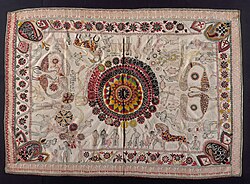
Embroidery is the intricate art of decorating fabric or other materials using a needle to stitch thread or yarn. As one of the oldest forms of textile art, it has evolved over thousands of years, crossing cultural boundaries to become a universal medium for expression. From the royal courts of ancient dynasties to modern fashion runways, embroidery blends utility with aesthetics, transforming simple cloth into a canvas for storytelling and identity.
While primarily used to embellish garments, accessories, and quilts, embroidery often incorporates more than just thread. To add texture and visual depth, artists may integrate pearls, beads, quills, and sequins. Whether created by a professional embroiderer (historically known as a broderer) or a hobbyist, the craft serves as a bridge between functional clothing and fine art.
Key Facts
- Ancient Origins: Some of the earliest surviving examples of embroidered cloth originate from Egypt.
- Diverse Materials: Beyond yarn, materials like metallic threads, leather, and porcupine quills are used globally.
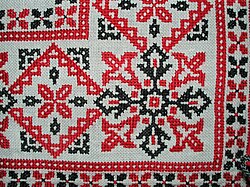
- Core Stitches: Fundamental techniques include the chain stitch, satin stitch, cross stitch, running stitch, and buttonhole stitch.
- Industrial Evolution: The transition from hand-craft to mass production began in the 19th century with the invention of the hand embroidery machine in France.
- Cultural Significance: Embroidery is frequently used to signal cultural identity, social status, and regional heritage.
The Evolution of Embroidery
Ancient Origins and Early Traditions
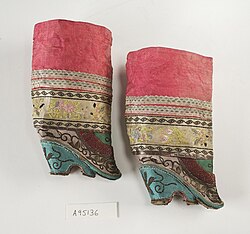
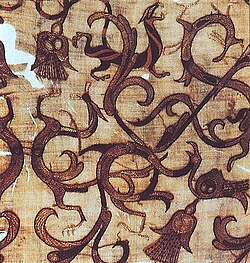
The art of embroidery has appeared independently across the globe. In Egypt, early artisans utilized leather and beads for appliqué decorations. In China, embroidery dates back to the Warring States period (5th–3rd century BC), later flourishing during the Song, Yuan, Ming, and Qing dynasties to become a cornerstone of Chinese cultural practice.
Other regions developed distinct traditions, such as the Nonya beadwork of Peranakan communities in Southeast Asia, which synthesized Chinese techniques with local materials. In Sweden, garments from the Migration period (300–700 AD) show evidence of running, back, stem, and whip stitches, though historians debate whether these were purely decorative or intended to reinforce seams.
Historical Masterpieces
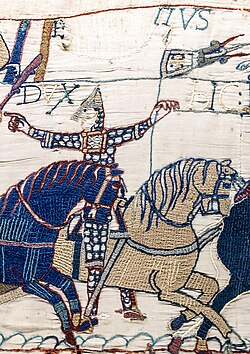
One of the most significant surviving works of embroidery is the Bayeux Tapestry. Dating to the 11th century, this massive cloth measures nearly 70 meters long and 50 centimeters tall. It serves as a visual narrative of the events leading to the Norman Conquest of England in 1066, culminating in the Battle of Hastings.
Traditional Embroidery Around the World
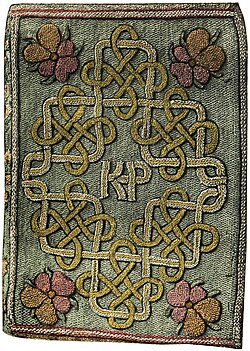
Different cultures have developed specialized stitches and materials to create unique visual languages. From the intricate silk work of Asia to the bold wools of Europe, these traditions reflect the environment and resources of their origins.
| Style | Origin | Primary Stitches | Common Materials |
|---|---|---|---|
| Aari | India (Kashmir/Gujarat) | Chain stitch | Silk thread, beads, sequins |
| Sashiko | Japan | Running stitch | Indigo-dyed cloth, white/red cotton |
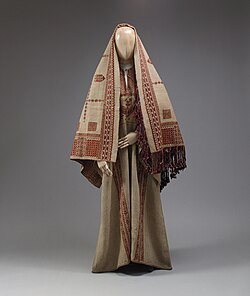
| Tatreez | Palestine, Syria | Cross stitch | Cotton fabric, silk thread |
| Hardanger | Norway | Buttonhole, satin, running | White thread, even-weave linen |
| Zardozi | Iran, India | Various | Metallic thread, cloth |
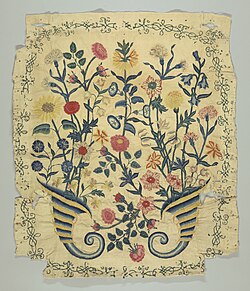
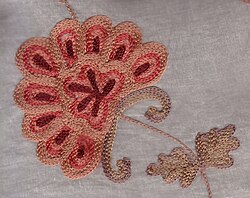
| Crewelwork | Great Britain | Chain, satin, stem, split | Crewel yarn, linen twill |
Tools and Modern Techniques
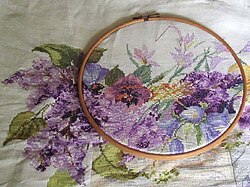
Hand Embroidery Tools
Traditional hand embroidery relies on a few essential tools. The embroidery hoop is critical for keeping the fabric taut, ensuring that stitches are even and the material does not pucker.
The Rise of Machine Embroidery
The Industrial Revolution shifted embroidery from a personalized craft to a structured industry. In 1832, Josué Heilmann invented the first hand embroidery machine in France. This was followed by the Schiffli machine, which integrated technology from the sewing machine and the Jacquard loom to fully automate production.
By the late 19th century, St. Gallen in Switzerland and Plauen in Germany became global hubs for machine embroidery. This expertise eventually migrated to Hudson County, New Jersey, in the early 20th century, further expanding the industrial capacity for textile decoration.
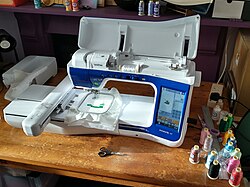
Today, commercial machine embroidery is used for everything from high-fashion garments to household linens, utilizing computerized systems to replicate complex patterns with precision.
Frequently Asked Questions
What is the difference between hand and machine embroidery?
Hand embroidery is a slow, artisanal process using needles and hoops to create unique, often irregular designs. Machine embroidery uses automated equipment, such as Schiffli or computerized machines, to produce identical patterns rapidly for mass production.
What are the most common embroidery stitches?
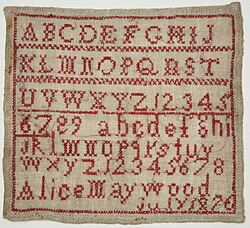
The most fundamental stitches include the chain stitch (looped stitches), satin stitch (smooth, filling stitches), cross stitch (X-shaped stitches), and the running stitch (simple dashed lines).
What materials can be used in embroidery besides thread?
Embroiderers often use beads, pearls, sequins, and metallic threads to add shine. Some cultural traditions also incorporate organic materials like porcupine quills or leather appliqué.
What is the Bayeux Tapestry?
Despite its name, it is actually an embroidery rather than a woven tapestry. It is an 11th-century cloth nearly 70 meters long that depicts the Norman Conquest of England in 1066.
How is embroidery used in modern times?
Beyond fashion and home decor, embroidery is used for cultural expression, custom gifts, and even in art therapy to provide therapeutic benefits for individuals.