President of the French Republic
The President of the French Republic serves as the head of state, the commander-in-chief of the armed forces, and a central figure in the executive branch of the French government. Operating within a semi-presidential system, the president wields significant authority, particularly regarding national security and foreign policy, distinguishing the role from many other European heads of state.
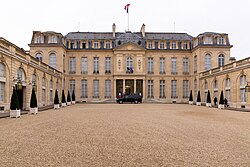
The current incumbent is Emmanuel Macron, who first took office on May 14, 2017, and began a second term on May 7, 2022. The presidency is based in Paris at the Élysée Palace, the official seat of power.
Key Facts
- Term Length: Five years, renewable once consecutively.
- Election Method: Direct universal suffrage.
- Primary Residence: Élysée Palace, Paris.
- Annual Salary: €182,000.
- Constitutional Basis: Constitution of France (1958).
- Succession: The President of the French Senate serves as acting president during vacancies.
Historical Evolution of the Presidency
The concept of a French presidency was first proposed during the July Revolution of 1830. While early iterations existed, the role evolved significantly over the 19th and 20th centuries. Under the Third Republic, the presidency was initially powerful, but by 1879, it shifted toward a parliamentary system where the president had limited control over the legislature.
This changed with the establishment of the Fifth Republic in 1958, with Charles de Gaulle as the inaugural holder. The 1958 Constitution greatly expanded presidential powers. Subsequent reforms further refined the office: a 1962 referendum introduced direct election by the people, and a 2000 referendum reduced the term length from seven years (Septennat) to five years (Quinquennat).
The Electoral Process and Term Limits
To become a candidate for the presidency, individuals must secure parrainages (sponsorships)—signed nominations from more than 500 elected local officials, such as mayors. These sponsors must represent at least 30 different départements or overseas collectivities to ensure broad geographic support.
Campaigning is strictly regulated. Spending is capped at approximately €20 million, and the government provides public financing for 50% of expenses if a candidate earns more than 5% of the vote. While television advertising is prohibited, candidates are granted official airtime on public television.
Since a 2008 constitutional reform, presidents are limited to two consecutive terms. To date, only François Mitterrand, Jacques Chirac, and Emmanuel Macron have won re-election to serve a second term.
Presidential Powers and Responsibilities
The French president possesses broad authority, most notably the power to appoint the Prime Minister. However, because the National Assembly can dismiss the government, the president must choose a Prime Minister who can maintain a majority in the legislature.
Constitutional Authorities
- Law and Diplomacy: The president promulgates laws and accredits ambassadors to foreign powers.
- Judicial Power: The president has the right to grant pardons.
- Emergency Powers: Under Article 16, the president can rule by decree in exceptional circumstances. This has been used only once, by Charles de Gaulle during the Algerian War in 1961.
- Appointments: The president names certain members of the Constitutional Council.
Legal Accountability and Immunity
Under Articles 67 and 68, the president enjoys immunity from prosecution and testimony during their term. However, the statute of limitations is suspended, and legal proceedings can resume one month after they leave office. The president can be impeached by the Republican High Court if they fail to discharge their duties in a way that precludes the continuation of their term.
Succession, Residences, and Benefits
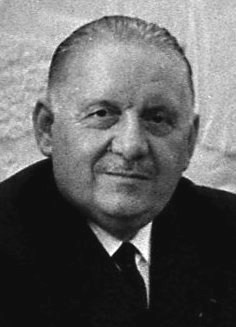
If a president dies, resigns, or is removed, the President of the Senate assumes the role of acting president. Alain Poher is the only individual to have served in this capacity, doing so in 1969 and 1974.
Beyond the Élysée Palace, the president has access to several other residences, including the Fort de Brégançon (the official vacation home), La Lanterne, and the Hôtel de Marigny for foreign guests.
Former presidents receive a lifetime pension based on the pay grade of the Councillors of State, a diplomatic passport, and membership in the Constitutional Council. While they previously received extensive perks, reforms in 2016 reduced these benefits, removing the provision for a car and chauffeur.
Presidential Overview Summary
| Feature | Detail |
|---|---|
| System of Government | Semi-presidential |
| Term Length | 5 Years (Max 2 consecutive) |
| Election Method | Direct Universal Suffrage |
| Key Power | Appointment of Prime Minister |
| Official Residence | Élysée Palace |
| Annual Salary | €182,000 |
Frequently Asked Questions
How is the President of France elected?
The president is directly elected by the citizens of France through universal suffrage. Candidates must first obtain over 500 sponsorships (parrainages) from elected local officials to qualify for the ballot.
What happens if the president can no longer serve?
In the event of death, resignation, or removal from office, the President of the French Senate becomes the acting president until a new election is held.
Can a French president be prosecuted for crimes?
The president has immunity while in office and cannot be prosecuted or forced to testify. However, this immunity ends one month after they leave office, and they can be impeached by the Republican High Court for failures in discharging their duties.
What is the difference between the President and the Prime Minister?
The president is the head of state and focuses heavily on foreign policy and national security. The Prime Minister, appointed by the president, oversees the day-to-day domestic affairs of the government and must maintain the support of the National Assembly.
How many terms can a president serve?
Following a 2008 constitutional reform, a president is limited to a maximum of two consecutive terms of five years each.