French Fifth Republic: History, Governance, and Evolution
The French Fifth Republic (Cinquième République Française) is the current system of government in France. Established on October 4, 1958, it represents a significant shift in the nation's political trajectory, moving away from the instability of previous regimes toward a more centralized and robust executive branch.
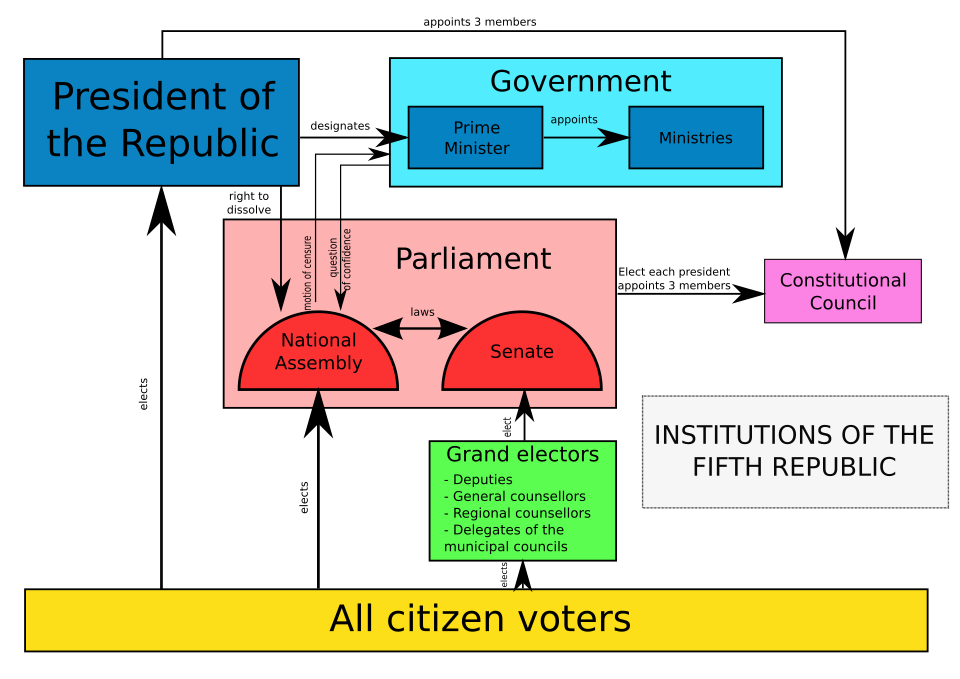
Founded by Charles de Gaulle, the Fifth Republic replaced the Fourth Republic's parliamentary system with a semi-presidential (or dual-executive) model. This system divides power between a President, who serves as the head of state, and a Prime Minister, who serves as the head of government.
Key Facts
- Established: October 4, 1958, under the leadership of Charles de Gaulle.
- Government Type: Unitary semi-presidential constitutional republic.
- Executive Structure: Power is split between the President (Head of State) and the Prime Minister (Head of Government).
- Legislature: A bicameral Parliament consisting of the National Assembly (lower house) and the Senate (upper house).
- National Motto: "Liberté, Égalité, Fraternité" (Liberty, Equality, Fraternity).
- Current President: Emmanuel Macron (since 2017).
The Origins of the Fifth Republic
The transition to the Fifth Republic was born out of the collapse of the Fourth Republic, which had been plagued by political instability. In May 1958, a crisis led to the appointment of Charles de Gaulle as head of government on June 1, 1958.
De Gaulle advocated for a strong presidency to embody l'esprit de la nation (the spirit of the nation). He was granted the power to rule by decree for six months to draft a new constitution, provided he did not interfere with criminal law, electoral law, basic citizen rights, or trade union activities. This plan was overwhelmingly approved by over 80% of voters in a referendum on September 28, 1958, leading to the official signing of the constitution on October 4.
The 1958 Constitution and Early Transition
The new constitution included transitional clauses to ensure stability while new institutions were formed. Charles de Gaulle was elected president by an electoral college on December 21, 1958, and officially took office on January 9, 1959, appointing Michel Debré as his first prime minister.
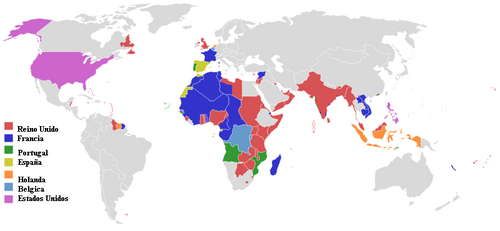
Beyond domestic governance, the 1958 constitution replaced the French Union with the French Community. This allowed fourteen member territories to seek independence, leading to the "Year of Africa" in 1960. Algeria eventually gained its independence on July 5, 1962.
Governance and the Separation of Powers
The Fifth Republic is characterized by a unique balance of power. The President has the authority to dissolve the National Assembly and call for new elections. When the President's party holds a majority in the assembly, the President effectively sets domestic policy, which the Prime Minister then implements.
The Concept of Cohabitation
A unique feature of this system is cohabitation. This occurs when the President is forced to appoint a Prime Minister from an opposing political party because that party holds the majority in the National Assembly. In such cases, the executive power is shared more equitably between the two roles.
Evolution of Presidential Elections
Initially, the president was chosen by an electoral college. However, in 1962, Charles de Gaulle proposed that the president be directly elected by the citizens. Despite opposition from various political groups, the change was approved via referendum. Originally, presidential terms were seven years; however, this was reduced to five years on September 24, 2000.
Constitutional Checks and Balances
France historically followed the principle of parliamentary supremacy. This changed in 1971 when the Constitutional Council ruled that statutes must respect the rights defined in the 1789 Declaration of the Rights of Man and of the Citizen. In 1974, a constitutional amendment further strengthened checks and balances by allowing 60 members of either the National Assembly or the Senate to request a constitutional review of a statute before it is signed into law.
Summary of the French State
| Category | Details |
|---|---|
| Official Name | République française |
| Capital | Paris |
| Official Language | French |
| Total Area | 643,801 km² |
| Currency | Euro (EUR), CFP franc (XPF) |
| GDP (PPP) 2026 Est. | $4.74 trillion |
| HDI (2026) | 0.920 (Very High) |
Frequently Asked Questions
What is the difference between the President and the Prime Minister in France?
The President is the head of state and generally sets the broad direction of national policy and handles foreign affairs. The Prime Minister is the head of government, responsible for the day-to-day administration of the state and implementing the policy goals.
What is "cohabitation" in the French political system?
Cohabitation occurs when the President and the Prime Minister belong to opposing political parties. This happens when the President's party does not hold a majority in the National Assembly, forcing the President to appoint a Prime Minister from the majority party.
How has the presidential term changed over time?
When the Fifth Republic began, the presidential term was seven years. This was reduced to a five-year term in the year 2000 to align more closely with other democratic cycles.
What role does the Constitutional Council play?
The Constitutional Council ensures that laws passed by Parliament respect the Constitution and the fundamental rights of citizens, such as the freedom of association, acting as a critical check on legislative power.
When did Algeria become independent from France?
Algeria officially became independent on July 5, 1962, following the transition from the French Union to the French Community under the Fifth Republic.