Emmanuel Macron: The Political Journey of France's President
Emmanuel Macron has emerged as one of the most influential figures in modern European politics. From his beginnings as an investment banker to his ascent as the youngest President of France since Napoleon, Macron's trajectory is marked by a rapid rise and a commitment to centrist, pro-European policies. Since assuming office on May 14, 2017, he has navigated complex domestic reforms and a volatile international landscape.
Before reaching the Élysée Palace, Macron built a diverse professional foundation. He studied at Paris X Nanterre, Sciences Po, and the École nationale d'administration (ENA), the elite school for French civil servants. His early career saw him serve as an Inspector of Finances and an investment banker before transitioning into the heart of political power.
Key Facts
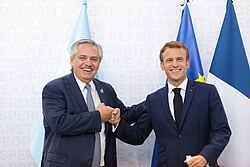
- Current Role: President of France (since May 14, 2017).
- Political Party: Renaissance (founded in 2016).
- Unique Title: Ex officio Co-Prince of Andorra.
- Education: Alumnus of Paris X Nanterre, Sciences Po, and ENA.
- Previous High Office: Minister of Economics and Finance (2014–2016).
Rise to Power
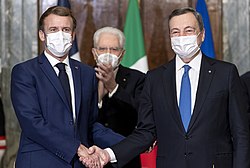
Macron's political ascent began in earnest when he served as the Deputy Secretary-General to President François Hollande from 2012 to 2014. His profile grew significantly when he was appointed Minister of Economics and Finance on August 26, 2014. During this tenure, he championed the "Macron Law," a series of economic reforms aimed at liberalizing the French economy.
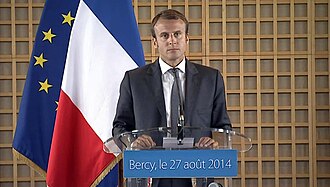
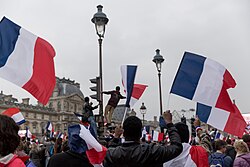
In 2016, Macron broke away from the established party system to form En Marche, a centrist movement. This bold move led to his resignation from the government and a successful bid for the presidency. On May 7, 2017, he secured victory in the second round of the presidential election, marking a shift in the French political landscape.
The Presidency: First Term (2017–2022)
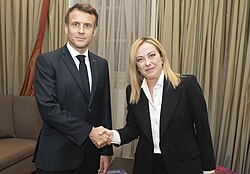
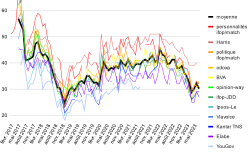
Macron's first term was characterized by an ambitious domestic agenda. He focused on anti-corruption measures, labor policy reforms, and economic modernization. However, his presidency also faced significant challenges, including the migrant crisis and the "Benalla affair," which impacted his approval ratings.
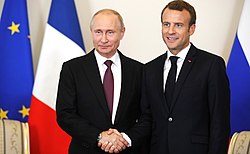
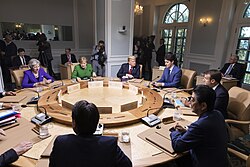
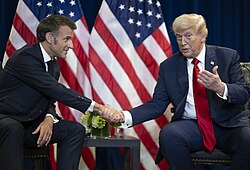
On the global stage, Macron positioned France as a leader within the European Union. He maintained active diplomatic ties with world leaders, including Vladimir Putin and Donald Trump, while advocating for a strong, integrated Europe.
The Presidency: Second Term (2022–Present)
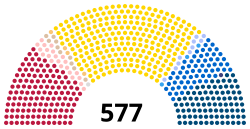
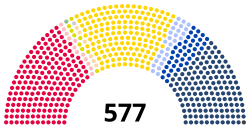
After winning re-election in 2022, Macron entered a second term marked by intense domestic friction. Key issues included controversial pension reforms and the Nahel Merzouk riots. The legislative elections of 2022 and the snap elections of 2024 resulted in a fragmented National Assembly, complicating the government's ability to pass legislation.
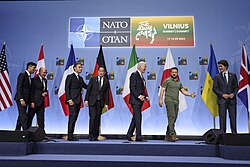
His second term has also seen a heightened focus on defense and immigration policy. Macron has remained a pivotal figure in the international response to the conflict in Ukraine, frequently coordinating with leaders from Germany and the United States.
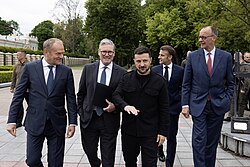
International Diplomacy and Honors
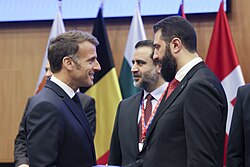
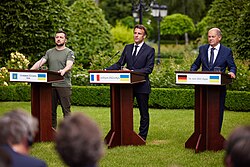
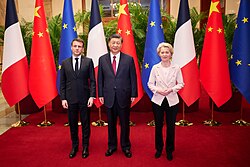
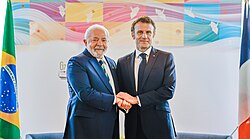
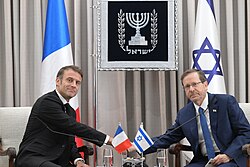
Beyond the borders of France, Macron serves as the Co-Prince of Andorra. His diplomatic efforts have spanned the globe, from summits with China and Brazil to strategic meetings in Israel and the United States.
Due to his leadership and diplomatic contributions, Macron has received numerous international honors, including the Order of the British Empire and the Grand Cross of the Order of the Redeemer from Greece.
Summary of Political Career
The following table provides a concise overview of Emmanuel Macron's primary political roles and affiliations.
| Period | Role/Position | Affiliation/Context |
|---|---|---|
| 2012–2014 | Deputy Secretary-General to the President | Under François Hollande |
| 2014–2016 | Minister of Economics and Finance | French Government |
| 2016–Present | Leader/Member | Renaissance Party |
| 2017–Present | President of France | Incumbent |
| 2017–Present | Co-Prince of Andorra | Ex officio |
Personal Life
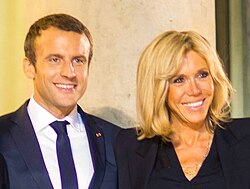
Emmanuel Macron is married to Brigitte Trogneux. Together, they have navigated the public eye since his rise to the presidency, with Brigitte often appearing alongside him at official functions.
Frequently Asked Questions
When did Emmanuel Macron become President of France?
Emmanuel Macron assumed office as the President of France on May 14, 2017.
What is the Renaissance party?
Renaissance is the political party founded by Emmanuel Macron in 2016 (originally as En Marche!) to support his centrist political vision.
What is Macron's role in Andorra?
By virtue of his position as President of France, Emmanuel Macron serves as the ex officio Co-Prince of Andorra.
Which educational institutions did Macron attend?
Macron was educated at Paris X Nanterre, Sciences Po, and the École nationale d'administration (ENA).
Who were the Prime Ministers during Macron's presidency?
His presidency has seen several Prime Ministers, including Édouard Philippe, Jean Castex, Élisabeth Borne, Gabriel Attal, and Michel Barnier.