Nicolas Sarkozy: The Political Journey of a French President
Nicolas Sarkozy is one of the most polarizing and dynamic figures in modern French history. Serving as the President of France from 2007 to 2012, his tenure was marked by a drive for constitutional reform, a proactive approach to international diplomacy, and a public persona that often sparked intense debate. From his early days as the Mayor of Neuilly-sur-Seine to the highest office in the land, Sarkozy's career reflects a relentless ambition and a complex relationship with the French electorate.
Before ascending to the presidency, Sarkozy climbed the political ladder through a series of high-profile ministerial roles. He served as the Minister of Budget and Communications in the early 1990s and later held the powerful position of Minister of the Interior twice, establishing a reputation for a "tough on crime" stance and a decisive leadership style.
Key Facts
- Presidency: Served as President of France from May 16, 2007, to May 15, 2012.
- Key Roles: Former Minister of the Interior, Minister of Finance, and Mayor of Neuilly-sur-Seine.
- Political Affiliation: Associated with the UMP and later The Republicans.
- Major Action: Led the military intervention in Libya in 2011.
- Legal History: Faced multiple investigations and convictions related to campaign financing and corruption.
The Ascent to Power
Sarkozy's political foundation was built in Neuilly-sur-Seine, where he served as mayor from 1983 to 2002. His rise through the national government was rapid, holding various portfolios under different Prime Ministers. Notably, as Minister of the Interior, he became a household name, though his measures to reduce social support for unemployed workers who refused offered work drew significant criticism from the left.
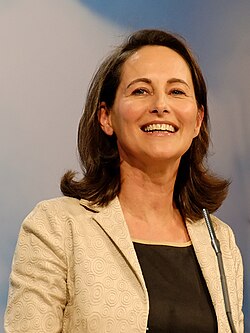
In 2007, Sarkozy ran for the presidency, facing Ségolène Royal in the final round. His victory marked a shift in French governance, as he sought to implement a "rupture"—a break from the traditional political methods of his predecessor, Jacques Chirac.
The Presidency (2007–2012)
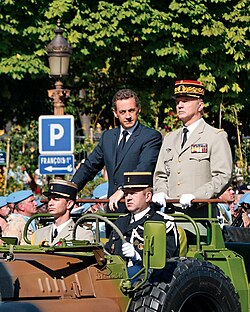
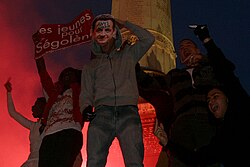
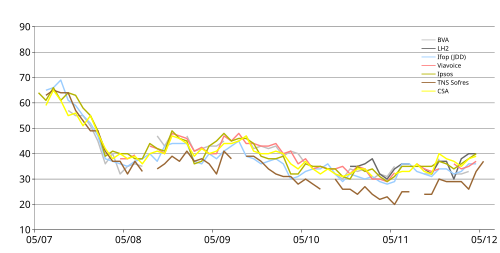
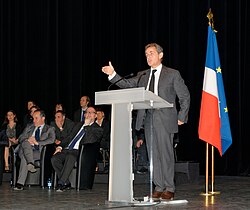
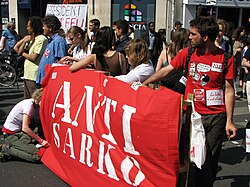
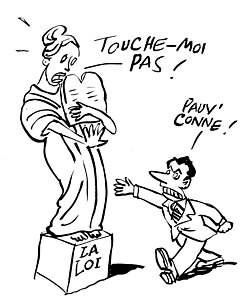
Sarkozy's presidency was characterized by an energetic, often impulsive approach to both domestic and foreign policy. Domestically, he focused on constitutional reform and economic policies aimed at modernization. However, his style often alienated critics, leading to the rise of "anti-Sarko" movements and frequent public demonstrations.
International Diplomacy and Conflict
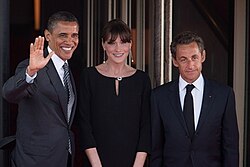
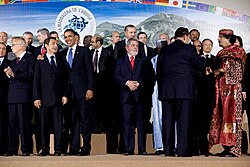
On the world stage, Sarkozy was a prominent figure in the G8 and maintained close ties with global leaders, including U.S. President Barack Obama. His most significant foreign policy legacy was the 2011 military intervention in Libya, which he helped initiate during the Paris Summit on March 19, 2011.
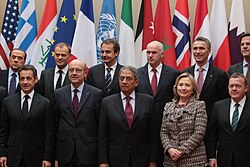
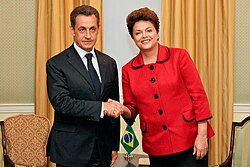
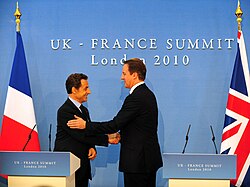
Throughout his term, he balanced complex relationships with leaders from Brazil, the UK, and various Middle Eastern nations, often positioning France as a bridge between the US and Europe.
Post-Presidency and Legal Controversies
After leaving office in 2012, Sarkozy experienced a period of temporary retirement before attempting a return to politics between 2014 and 2016. However, his later years have been overshadowed by significant legal battles. He has been the subject of numerous investigations into political and financial scandals.
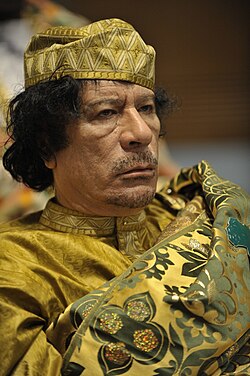
One of the most high-profile allegations involves the Libyan campaign financing case, where it was alleged that former Libyan leader Muammar Gaddafi paid €50 million to Sarkozy's 2007 campaign in exchange for access.
These legal challenges culminated in criminal convictions for corruption and campaign financing irregularities, leading to a period of incarceration in 2025, though he was released after three weeks.
Summary of Political Career
| Office | Period | Key Focus/Context |
|---|---|---|
| Mayor of Neuilly-sur-Seine | 1983–2002 | Local governance and political base |
| Minister of the Interior | 2002–2004; 2005–2007 | Security and internal affairs |
| Minister of Finance | 2004 | Economic management |
| President of France | 2007–2012 | National leadership and Libyan intervention |
Frequently Asked Questions
Who succeeded Nicolas Sarkozy as President of France?
Nicolas Sarkozy was succeeded by François Hollande on May 15, 2012.
What was Sarkozy's role in the Libyan conflict?
Sarkozy was a primary architect of the 2011 military intervention in Libya, hosting the Paris Summit that marked the start of the operation.
What are the main legal issues Sarkozy has faced?
Sarkozy has faced multiple convictions and investigations regarding corruption and the illegal financing of his political campaigns, including allegations of funding from the Libyan regime.
Which political parties was Nicolas Sarkozy affiliated with?
He was a leader of the UMP (Union for a Popular Movement) and later became associated with The Republicans.
How did the public react to his presidency?
Public reaction was deeply divided; while some admired his energy and reformist goals, others formed "anti-Sarko" movements due to his perceived style and policies.