Oceanic Dispersal: How Rafting Events Shape Life on Isolated Islands
How does a land-dwelling creature end up on a remote island thousands of miles from its home? The answer often lies in oceanic dispersal, a biological process where terrestrial organisms cross vast stretches of sea to reach new land masses. One of the most fascinating methods of this movement is the rafting event, where animals hitch a ride on floating debris to navigate the deep blue.
Whether it is a massive clump of tropical vegetation or a piece of man-made debris, these natural rafts act as lifeboats, allowing species to bypass the barriers of the ocean and colonize entirely new ecosystems.
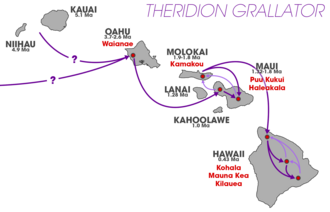
Mechanisms of Island Colonization
There are several ways organisms navigate the ocean to reach new territories. While some species may swim or float independently, many rely on external structures to survive the journey.
Rafting and Island Hopping
A rafting event typically occurs when large masses of floating vegetation—common in tropical rivers—wash out to sea, occasionally trapping animals within their tangled roots and branches. When these journeys are broken into a series of shorter trips between smaller islands rather than one direct crossing, the process is known as island hopping.
Alternative Dispersal Methods
Not all travelers rely on rafts. Some species utilize different biological advantages:
- Swimming and Floating: Certain animals, such as tortoises of the genus Chelonoidis, can survive for up to six months without food or fresh water, allowing them to float across oceans with their heads held above the surface.
- Seed Dispersal: Plants often colonize distant lands through the long-distance dispersal of floating seeds.
- Semiaquatic Capabilities: Species like hippos and Nile crocodiles may have utilized swimming or floating to move between continents and islands.
Historical Evidence of Transoceanic Voyages
The history of life on Earth is written in the movement of species across oceans. Genetic and fossil evidence suggest that many iconic lineages reached their current homes via rafting.
Mammalian Colonization
Rafting has played a critical role in the history of isolated land masses like Madagascar and South America. For instance, genetic evidence indicates that the common ancestor of Madagascar's lemurs likely crossed the Mozambique Channel via rafting between 50 and 60 million years ago (Ma). Similarly, New World monkeys are believed to have rafted from Africa to South America during the Oligocene epoch.
Reptiles and Spiders: The Resilient Travelers
Reptiles, particularly skinks and geckos, appear exceptionally capable of surviving long transoceanic journeys. Evidence suggests that various American gecko clades rafted from Africa during the Paleogene and Neogene periods. Even burrowing animals, such as amphisbaenians and blind snakes, have been found to have made the crossing from Africa to South America.
Spiders also demonstrate remarkable dispersal abilities. The genus Amaurobioides provides a stunning example of iterative rafting; DNA analysis suggests these spiders moved from South America to South Africa, and then utilized the Antarctic Circumpolar Current to move eastward toward Australia, New Zealand, and eventually Chile.
Key Facts
- Rafting events involve terrestrial organisms using floating vegetation or debris to cross oceans.
- Island hopping is a method of colonization involving multiple short journeys between islands.
- Lemurs are thought to have reached Madagascar via rafting 50–60 million years ago.
- Tortoises can survive up to six months without food or water, aiding their ability to float across oceans.
- Human activity has introduced new dispersal vectors, such as debris from tsunamis or shipping.
Summary of Dispersal Examples
| Organism Group | Origin to Destination | Mechanism/Context |
|---|---|---|
| Lemurs | Africa to Madagascar | Rafting (50–60 Ma) |
| New World Monkeys | Africa to South America | Rafting (Oligocene) |
| Green Iguanas | Guadeloupe to Anguilla | Hurricane-driven rafting (1995) |
| Chelonoidis Tortoises | Africa to South America | Floating/Swimming (Oligocene) |
| Amaurobioides Spiders | South America to Chile | Iterative rafting via currents |
Frequently Asked Questions
What is the difference between rafting and island hopping?
Rafting refers to the specific act of an organism traveling on a floating object like vegetation. Island hopping is a broader strategy where an organism reaches a final destination through a series of intermediate stops at various islands.
How do animals survive long periods at sea?
Survival depends on the species. Some, like certain tortoises, have evolved the ability to go months without fresh water or food. Others, like lizards and spiders, may have high tolerances for the conditions found on floating debris.
Can human-made objects cause dispersal?
Yes. Human civilization has created durable floating artifacts. For example, following the 2011 Tōhoku tsunami, approximately 300 species were found on debris carried by the North Pacific Current toward North America.
Has rafting been observed in modern times?
Yes. In 1995, following hurricanes Luis and Marilyn, a raft of trees carrying at least fifteen green iguanas was observed landing on Anguilla, where they had never been recorded before.
Are all oceanic dispersals the same?
No. While rafting is common, dispersal can also occur through swimming, independent floating, or the movement of seeds through ocean currents.