Understanding Algae: From Microscopic Cells to Giant Kelp Forests
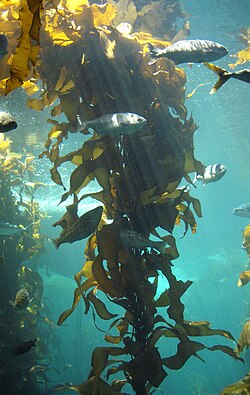
When we think of algae, we often imagine the green slime on a pond or the towering kelp in the ocean. However, algae are far more diverse than they appear. Broadly defined, algae are organisms that perform oxygenic photosynthesis—the process of using sunlight to create energy while releasing oxygen—excluding land plants. They inhabit nearly every moist environment on Earth, from the depths of the sea to freshwater streams and even symbiotic relationships with other organisms.
Key Facts
- Species Count: As of January 2024, there are 50,605 living and 10,556 fossil algal species.
- Diversity: They are classified into 15 different phyla or divisions.
- Structure: They range from single-celled prokaryotes (Cyanobacteria) to complex multicellular structures.
- Evolution: Their development is marked by endosymbiosis, where one cell engulfs another to acquire chloroplasts.
- Utility: Algae are used globally for food, biofuels, fertilizers, and bioplastics.
Morphology: The Many Shapes of Algae
Algae exhibit a vast array of physical forms, which scientists categorize based on their cellular organization. Some exist as colonial groups—small, regular clusters of motile cells—while others are coccoid, consisting of individual non-motile cells with distinct cell walls.
Other forms include capsoid and palmelloid algae, where non-motile cells are embedded in a protective mucilage. More complex structures include filamentous algae, which grow as strings of connected cells that may branch, and parenchymatous algae. The latter form a thallus—a multicellular body with partially differentiated tissues—which allows them to grow into large, complex structures.
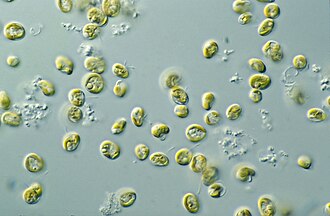
At the smallest scale, microalgae like Pavlova sp. demonstrate the intricate beauty of unicellular life.
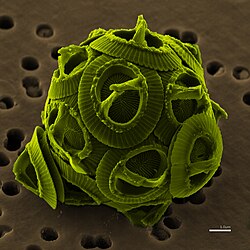
Other specialized unicellular organisms, such as the coccolithophore Gephyrocapsa oceanica, play critical roles in marine ecosystems.
Classification and Taxonomic Diversity
The classification of algae has evolved significantly over centuries. In 1768, Samuel Gottlieb Gmelin published Historia Fucorum, the first work dedicated to marine algae. This landmark text was the first marine biology book to utilize binomial nomenclature (the two-part naming system of genus and species) introduced by Linnaeus.

Later, researchers W. H. Harvey and Lamouroux introduced a biochemical criterion for classification, dividing macroscopic algae into four divisions based on pigmentation: red algae (Rhodospermae), brown algae (Melanospermae), green algae (Chlorospermae), and Diatomaceae.
Modern science views "algae" as a polyphyletic group, meaning they do not all share a single common ancestor. They are broadly split into two categories:
- Prokaryotic Algae: Represented by Cyanobacteria (blue-green algae).
- Eukaryotic Algae: Organisms with a complex cell nucleus, further divided by how they acquired their photosynthetic capabilities.
Algal Species Distribution
According to the AlgaeBase database, the diversity of algae is staggering. While some phyla, such as Picophyta and Rhodelphidophyta, are not photosynthetic, they are included in algal databases due to their close evolutionary ties to red algae.
| Phylum (Division) | Described Genera | Living Species | Fossil Species | Total Species |
|---|---|---|---|---|
| Heterokontophyta | 1,781 | 21,052 | 2,262 | 23,314 |
| Rhodophyta (Red Algae) | 1,094 | 7,276 | 278 | 7,554 |
| Chlorophyta (Green Algae) | 1,513 | 6,851 | 1,083 | 7,934 |
| Cyanobacteria | 866 | 4,669 | 1,054 | 5,723 |
| Charophyta | 236 | 4,940 | 704 | 5,644 |
| Dinoflagellata | 710 | 2,956 | 955 | 3,911 |
Evolutionary History and Endosymbiosis
The evolution of algae is defined by endosymbiosis, a process where one organism lives inside another. Primary endosymbiosis occurred when a eukaryotic cell engulfed a cyanobacterium, leading to the creation of primary plastids (chloroplasts). This gave rise to groups like Glaucophyta, Rhodophyta, and Chlorophyta.
Secondary endosymbiosis occurred when another eukaryote engulfed a red or green alga, creating more complex plastid structures. This process explains the distribution of photosynthetic abilities across various eukaryotic lineages.
![Plastid acquisitions across eukaryotes, shown in discontinuous arrows: blue for the primary plastids derived directly from a cyanobacterium, and red and green for the secondary plastids derived from red algae and green algae, respectively. Red arrows are placed according to the 2024 hypothesis;[126] disagreements with previous hypotheses are marked '?'.[127]](/images/33/55/33553714d4672d80937649e9c6d3c89c95b970dba17de40ecd445ae28b13f597.webp)
Interestingly, the Charophyta group is considered paraphyletic because it excludes land plants, despite being closely related to them.
Ecology and Distribution
Algae are found globally, with significant concentrations in specific regions. For example, there are between 5,000 and 7,200 species of red algae worldwide, including roughly 1,300 in Australian seas. Other notable populations include 669 marine species in California and 642 in Britain and Ireland.
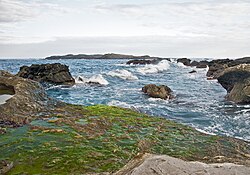
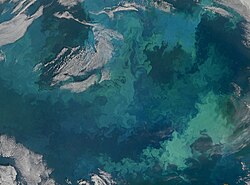
Algae often form blooms—rapid increases in population that can significantly alter the local environment.
Symbiotic Relationships
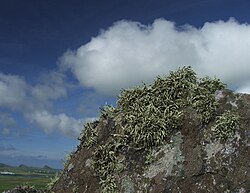
Algae frequently form partnerships with other organisms. Lichens are a primary example, consisting of a symbiotic relationship between algae (or cyanobacteria) and fungi.
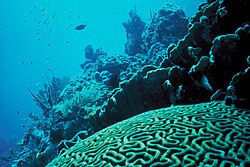
They also engage in animal symbioses, such as those found in coral reefs, where algae provide nutrients to the coral host.
Cultivation and Human Use
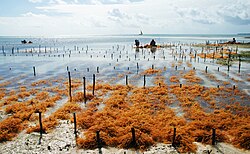
Due to their rapid growth and nutrient density, algae are cultivated through algaculture. This includes large-scale seaweed farming in places like Zanzibar, the Philippines, and Indonesia, as well as the use of photobioreactors—controlled environments designed to optimize algal growth.
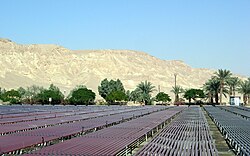
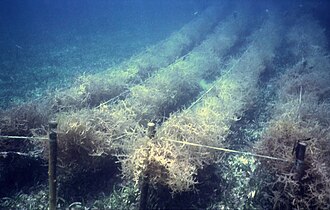
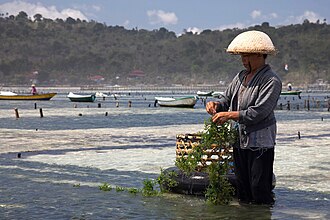
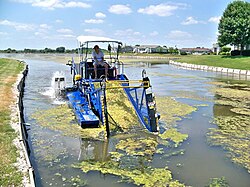
Harvesting these organisms provides raw materials for a variety of industries.
Industrial and Commercial Applications
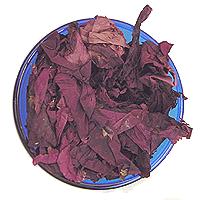
- Food Industry: Algae are used as nutrient-rich food sources. Spirulina (a cyanobacterium) is a popular supplement, and Dulse is a well-known edible seaweed.
- Agriculture: Seaweed is used as a potent fertilizer for gardens.
- Biotechnology: Algae are utilized to create biofuels, bioplastics, and gelling agents.
- Environmental Protection: They are employed in bioremediation to control pollution.
Frequently Asked Questions
Are algae plants?
While they perform photosynthesis like plants, algae are not classified as land plants. They lack the complex root, stem, and leaf structures found in terrestrial flora and are considered a polyphyletic group.
What is the difference between primary and secondary endosymbiosis?
Primary endosymbiosis occurs when a eukaryote engulfs a prokaryotic cyanobacterium. Secondary endosymbiosis occurs when a eukaryote engulfs another eukaryote that already contains a plastid.
What are the main types of algae based on color?
Historically, macroscopic algae were divided into red algae (Rhodospermae), brown algae (Melanospermae), and green algae (Chlorospermae), based on their dominant pigments.
How are algae used in the food industry?
Algae are used as direct food sources (such as Dulse), nutritional supplements (such as Spirulina), and as gelling agents in various processed foods.
What is a thallus?
A thallus is a multicellular body found in parenchymatous algae that lacks the specialized differentiation of tissues seen in higher plants.
Can algae be found in freshwater?
Yes, algae are found in both marine and freshwater environments, ranging from microscopic unicellular species to colonial forms.