Plant Evolution: Mechanisms of Diversity, Polyploidy, and Photosynthesis
Plant evolution is the study of how the vast diversity of plant life has emerged over geologic time. Unlike plant development, which focuses on the life cycle of an individual organism, plant evolution examines the statistical changes in populations, such as shifts in genetic distributions and the emergence of new species. By studying these changes, scientists can reconstruct the history of life through phylogeny—the description of evolutionary relationships—often visualized using a phylogenetic tree.
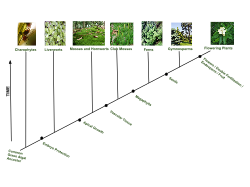
Key Evolutionary Trends in Plants
Plants possess unique biological characteristics that distinguish their evolutionary paths from those of animals. These traits have allowed them to survive massive environmental shifts and colonize diverse habitats.
- Totipotency: Plant cells are often totipotent, meaning they have the ability to differentiate into various cell types, facilitating easier asexual reproduction.
- Polyploidy: Plants frequently undergo genome duplication, inheriting more than two sets of chromosomes. This can trigger rapid evolutionary bursts and new morphological variations.
- Seed Dormancy: The ability of seed plants to remain dormant allows them to survive harsh environmental periods, waiting for more favorable conditions to germinate.
These advantages are particularly evident during mass extinction events. While such events have wiped out significant percentages of terrestrial animal families, the impact on plant families has been relatively negligible. However, extinctions do rearrange ecosystems; for instance, wind-pollinated species and generalists often thrive when specialized, insect-pollinated taxa perish, filling vacant ecological niches.
The Power of Polyploidy and Speciation
Polyploidy is a pervasive force in the plant kingdom, with estimates suggesting that 30% to 80% of living plant species are polyploid. This process involves an increase in the number of chromosome sets, which can lead to speciation—the formation of new and distinct species.
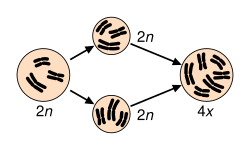
In angiosperms (flowering plants), 15% of speciation events are accompanied by a ploidy increase, while 31% of fern speciation events involve similar changes. Polyploidy often results in heterosis, or hybrid vigor, where the offspring display superior traits or novel morphologies compared to their parents. This can be driven by gene dosage effects, chromosomal rearrangements, or epigenetic remodeling, all of which contribute to reproductive isolation.
Ancient Genome Duplications
Many plant lineages show evidence of paleopolyploidy, or ancient genome duplications. Recent genomic sequencing has confirmed unexpected ancient duplications in species such as rice (Oryza sativa) and thale cress (Arabidopsis thaliana).
The Origins of Photosynthesis and Chloroplasts
The ability to convert light into energy is central to plant life. This process began with cyanobacteria, which were the primary producers throughout the Proterozoic Eon. These organisms were critical to marine ecosystems due to their ability to perform nitrogen fixation.
The evolution of the modern plant cell is deeply tied to endosymbiosis. This theory suggests that early eukaryotic cells acquired photosynthetic bacteria through endocytosis. Over time, these bacteria adapted to live within the host cells, eventually becoming chloroplasts.
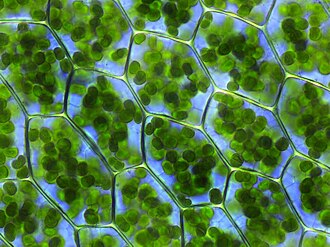
Evidence for this relationship is found in the fact that chloroplasts possess their own circular DNA, separate from the plant's nuclear DNA, and contain genes that closely resemble those found in cyanobacteria. The CoRR hypothesis suggests that the co-location of this DNA within the chloroplast is necessary for efficient redox regulation.
Reproductive Strategies: The Role of Flowers
Flowers evolved as a sophisticated adaptation to promote cross-fertilization (outcrossing). This reproductive strategy is vital because it allows for genetic complementation, a process that masks deleterious (harmful) recessive mutations in the offspring.
While cross-fertilization promotes genetic diversity and hybrid vigor, a shift toward inbreeding can be disadvantageous. This is known as inbreeding depression, which occurs when previously masked harmful mutations are expressed in the progeny.
Summary of Plant Evolutionary Traits
| Mechanism | Primary Effect | Evolutionary Benefit |
|---|---|---|
| Polyploidy | Increased chromosome sets | Rapid speciation and novel variation |
| Cross-fertilization | Genetic outcrossing | Masking of harmful mutations (heterosis) |
| Endosymbiosis | Acquisition of bacteria | Origin of chloroplasts and photosynthesis |
| Seed Dormancy | Temporal delay in growth | Survival through harsh environmental periods |
Frequently Asked Questions
What is the difference between plant evolution and plant development?
Plant evolution refers to the changes in characteristics within populations over geologic time, whereas plant development concerns the biological changes an individual plant undergoes during its own lifetime.
How does polyploidy contribute to new species?
Polyploidy can cause rapid evolutionary changes through gene duplication and chromosomal rearrangements. These changes often lead to reproductive isolation, which is a key driver of speciation.
Why are plants less affected by mass extinctions than animals?
Plants possess traits like seed dormancy and high diversity within families that allow them to survive extreme conditions. Additionally, generalist species often thrive in the vacant niches left behind after specialized species go extinct.
What is the endosymbiotic theory regarding chloroplasts?
The endosymbiotic theory proposes that chloroplasts originated when early eukaryotic cells engulfed photosynthetic bacteria, which then evolved to live symbiotically inside the host cell.
What is the benefit of cross-fertilization in plants?
Cross-fertilization promotes genetic diversity and allows for genetic complementation, which masks harmful recessive mutations and can result in hybrid vigor.