The Incredible World of Plants: From Microscopic Cells to Giant Forests
Plants are the silent architects of our planet. From the microscopic organisms drifting in water to the towering giants of the forest, they form the foundation of almost every ecosystem on Earth. By performing photosynthesis—the process of converting light energy into chemical energy—plants provide the essential sugars that fuel life and produce the oxygen we breathe. Without them, the complex web of life, including humans, would simply not exist.
Key Facts
- There are approximately 380,000 to 382,000 known species of plants.
- About 85–90% of all plant species are flowering plants (angiosperms).
- Plants make up roughly 80% of the world's biomass.
- The largest plant genome (by gene number) belongs to wheat, with about 94,000 genes.
- Plants are responsible for maintaining the Earth's atmosphere, which is currently 21% oxygen.
Taxonomic History and Classification
The way we classify plants has evolved significantly over centuries. The distinction between plants and animals dates back to Aristotle (384–322 BC), who categorized living things based on whether they possessed a "sensitive soul" or a "vegetative soul." His student, Theophrastus, furthered this work in plant taxonomy.
Centuries later, Carl Linnaeus established the basis for modern scientific classification. While he maintained the distinction between animal and plant kingdoms, he referred to the plant kingdom as Vegetabilia. In modern science, the kingdom Plantae is part of the domain Eukaryota (organisms with complex cells) and the clade Archaeplastida.
Today, scientists use more specific terms to describe different groups:
- Embryophyta: Also known as land plants.
- Viridiplantae: Also known as green plants, which include both unicellular and multicellular organisms.
- Archaeplastida: A broader group that includes various lineages of green plants.
Evolutionary History
The ancestors of modern land plants began their journey in the water. While fossil evidence suggests that multicellular freshwater eukaryotes existed over 1,000 million years ago, it wasn't until the Ordovician period, roughly 450 million years ago, that the first true land plants appeared. These early plants likely had a level of organization similar to modern bryophytes (non-vascular plants like mosses).
Diversity and Scale
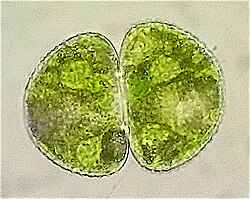
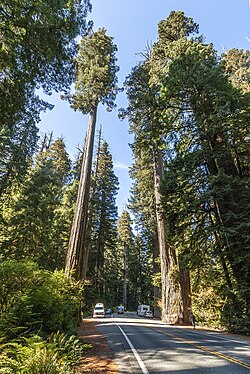
The diversity of the plant kingdom is staggering. Plants range from the microscopic—such as picozoa, which are less than 3 micrometres (μm) across—to the massive megaflora. For example, the conifer Sequoia sempervirens can reach heights of 120 metres (380 ft), while the angiosperm Eucalyptus regnans can grow up to 100 metres (325 ft) tall.
To understand this diversity, we can look at the different divisions of green plants (Viridiplantae):
| Division (Phylum) | Common Name | No. of Living Species (Approx.) |
|---|---|---|
| Chlorophyta | Green algae (chlorophytes) | 3,800–4,300 |
| Charophyta | Green algae (e.g., desmids & stoneworts) | 2,800–6,000 |
| Marchantiophyta | Liverworts | 6,000–8,000 |
| Anthocerotophyta | Hornworts | 100–200 |
| Bryophyta | Mosses | 12,000 |
| Lycopodiophyta | Clubmosses | 1,200 |
| Polypodiophyta | Ferns, whisk ferns & horsetails | 11,000 |
| Cycadophyta | Cycads | 160 |
| Ginkgophyta | Ginkgo | 1 |
| Pinophyta | Conifers | 630 |
| Gnetophyta | Gnetophytes | 70 |
| Angiospermae | Flowering plants | 258,650 |
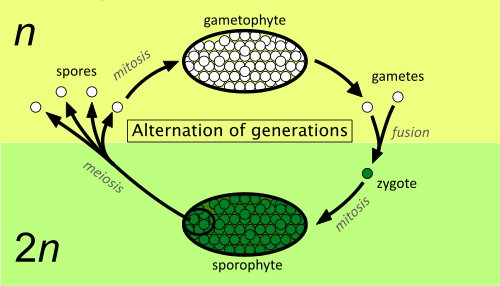
Plants reproduce through various methods, including sexual reproduction and asexual reproduction, where new organisms grow from parts of the parent plant.
Genomics and Plant Complexity
Plants possess some of the most complex genomes in the living world. While the first plant genome to be sequenced was Arabidopsis thaliana (encoding about 25,500 genes), other plants show much higher levels of complexity. For instance, wheat is predicted to encode approximately 94,000 genes—nearly five times as many as the human genome.

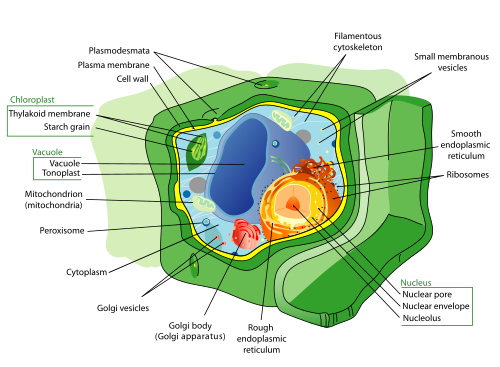
The size of plant DNA also varies wildly. The bladderwort (Utricularia gibba) has the smallest published genome at 82 Mb, whereas the Norway spruce (Picea abies) has a massive genome extending over 19.6 Gb.
Ecological Importance
As primary producers, plants are the ultimate source of energy for nearly all ecosystems. Through photosynthesis, they transformed the early Earth's anoxic (oxygen-free) atmosphere into the oxygen-rich environment we inhabit today. Plants also account for about 80% of the world's biomass, representing approximately 450 gigatonnes of carbon.
The Role of Plants in Human Society
Humans rely on plants for nearly every aspect of survival and industry:
Food and Nutrition
Plants are a fundamental food source. From staple grains like oats to diverse fruits and vegetables, they provide the energy required to sustain human populations.

Medicine and Science
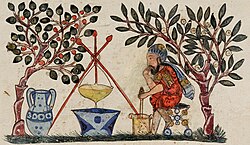
Throughout history, plants have been used to create medicinal extracts. Even in modern science, plants are vital tools for understanding genetics and inheritance.
Industry and Ornamentation
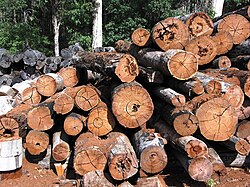
Beyond food and medicine, plants provide timber for construction and various non-food products. They are also widely used for ornamental purposes to enhance landscapes and gardens.

Negative Effects
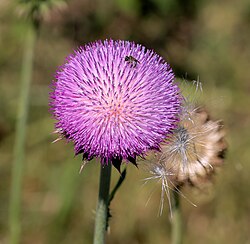
While mostly beneficial, some plants can pose challenges, such as invasive species that disrupt local ecosystems or plants that are toxic to humans and animals.
Frequently Asked Questions
How many plant species are there in the world?
There are approximately 380,000 to 382,000 accepted species of plants currently known to science.
How did plants first move onto land?
Plant ancestors evolved in water, and while algal scum appeared on land about 1,200 million years ago, the first organized land plants appeared during the Ordovician period, around 450 million years ago.
What is the difference between a conifer and a flowering plant?
Conifers (Pinophyta) are a group of seed-producing plants, while flowering plants (Angiospermae) are a much larger group that produces seeds within flowers. About 85–90% of all plant species are flowering plants.
Why are plants important for the Earth's atmosphere?
Through photosynthesis, plants produce a substantial proportion of the world's molecular oxygen. This process helped transform the early Earth's atmosphere into the 21% oxygen environment we have today.
Which plant has the largest genome?
In terms of the number of genes, wheat (Triticum aestivum) is the largest, with an estimated 94,000 genes. In terms of sheer DNA sequence length, the Norway spruce (Picea abies) is among the largest, extending over 19.6 Gb.