The World of Mentha: A Comprehensive Guide to the Mint Genus
From the refreshing zing of a summer mojito to the soothing aroma of a warm cup of tea, the genus Mentha is a staple in kitchens and gardens worldwide. Known colloquially as mint, this genus belongs to the Lamiaceae family—a group of aromatic herbs that also includes basil, rosemary, and sage. While the name "mint" is often used broadly, it specifically refers to a diverse group of flowering plants with a rich history and complex biology.
The etymology of the word "mint" is as storied as the plant itself. It descends from the Latin mentha, which is rooted in the Greek word mintha. In Greek mythology, Minthe was a nymph beloved by Hades, who was transformed into the plant by either Demeter or Persephone. Today, the genus is recognized for its subcosmopolitan distribution, meaning it is found across much of the world, particularly in Europe, Africa, Asia, Australia, and the Americas.
Botanical Characteristics and Description
Mints are primarily aromatic, perennial herbs. They are characterized by their erect, square-shaped, and branched stems. One of the most defining features of the genus is its growth habit; mints utilize stolons—horizontal runners that grow both above and below the ground—to spread rapidly across an area. This ability to spread can make them quite vigorous in a garden setting.
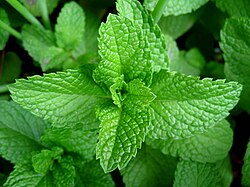
The leaves of the Mentha genus are typically arranged in opposite pairs. They range in shape from oblong to lanceolate (spear-shaped) and often feature serrated (saw-toothed) margins. Depending on the species, leaf colors can vary significantly, including dark green, gray-green, purple, blue, or even pale yellow.
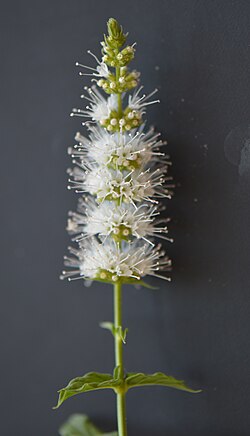
When mint plants flower, they produce blooms in long bracts located at the leaf axils (the angle between the leaf and the stem). These flowers, which range in color from white to purple, are arranged in false whorls known as verticillasters. The flowers feature a two-lipped corolla with four lobes, where the upper lobe is typically the largest.
The Complexity of Mint Taxonomy
Identifying specific mint species can be a challenge for botanists. While current scientific consensus recognizes between 18 and 24 species, the exact distinctions between them are often blurred. This difficulty arises because many mint species hybridize—meaning they crossbreed—naturally whenever their ranges overlap. This has resulted in a massive number of recorded names, many of which are considered synonyms or illegitimate.
The genus is part of the tribe Mentheae, a group where evolutionary relationships remain somewhat obscure. Because hybrids can produce highly variable offspring through both seeds and vegetative propagation (growing from parts of the parent plant), the taxonomy of mint has historically been a subject of intense debate among scientists.
Cultivation and Management
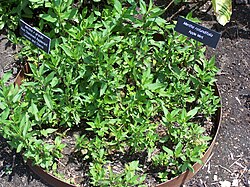
Mints are generally hardy plants that thrive in moist soils and wet environments, such as near lakes, rivers, or pools. While they prefer partial shade, many species are adaptable enough to grow in full sun. Because they are fast-growing and spread via runners, they can quickly become invasive if left unchecked.
To enjoy mint in a garden without allowing it to take over, gardeners often use containers, tubs, or barrels. A common technique for controlling spread in open environments is to plant them in deep, bottomless containers sunk into the ground. For those looking to propagate mint, taking cuttings from the runners of healthy plants is often more reliable than planting seeds, as many varieties can be sterile or produce unpredictable offspring.
Culinary, Medicinal, and Practical Uses
The primary value of the Mentha genus lies in its aromatic leaves. These leaves contain essential compounds that provide their distinct flavors: menthol is the primary aroma in peppermint, pulegone is found in pennyroyal, and L-carvone is the signature compound of spearmint.
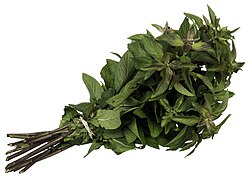
In the culinary world, mint is incredibly versatile. It is used in teas, syrups, candies, and desserts, and is a staple in various global cuisines. In Middle Eastern cooking, it is frequently paired with lamb, while in Indian cuisine, it is a fundamental ingredient in curries. It also features prominently in beverages, from the classic mojito to the traditional Touareg tea of North Africa.
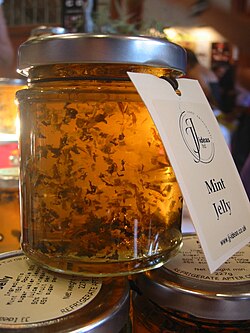
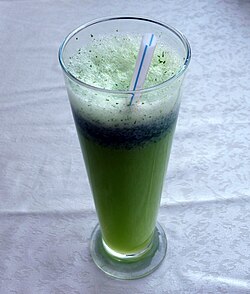
Beyond the kitchen, mint has significant medicinal and practical applications. Historically, it was used to treat stomach aches and chest pains. Today, menthol is a common ingredient in cosmetics, perfumes, and aromatherapy, and is even studied for its potential role in treating irritable bowel syndrome. Additionally, mint oil serves as an environmentally friendly insecticide, capable of repelling pests like ants, wasps, and cockroaches.
Key Facts
- Scientific Family: Lamiaceae (the mint family).
- Growth Habit: Perennial herbs that spread via stolons (runners).
- Preferred Habitat: Moist soils and wet environments.
- Key Aroma Compounds: Menthol, pulegone, and L-carvone.
- Common Uses: Culinary flavoring, aromatherapy, cosmetics, and natural insecticide.
| Common Name | Scientific Name | Type |
|---|---|---|
| Spearmint | Mentha spicata | Species |
| Peppermint | Mentha × piperita | Hybrid |
| Water Mint | Mentha aquatica | Species |
| Apple Mint | Mentha suaveolens | Species |
| Corn Mint | Mentha arvensis | Species |
| Ginger Mint | Mentha × gracilis | Hybrid |
Frequently Asked Questions
Why is mint considered an invasive plant?
Mint is considered invasive because of its rapid growth habit. It uses stolons (underground and overground runners) to spread quickly and can easily overtake surrounding plants if it is not contained in a pot or a controlled area.
What is the main difference between peppermint and spearmint?
The primary difference lies in their chemical composition and origin. Peppermint (Mentha × piperita) is a hybrid of water mint and spearmint and contains high levels of menthol. Spearmint (Mentha spicata) is a distinct species and is characterized by the compound L-carvone.
How can I best grow mint at home?
Mint thrives in moist soil and partial shade, though it can tolerate full sun. To prevent it from spreading uncontrollably in your garden, it is best to grow it in containers or deep, bottomless pots sunk into the ground.
Can mint be used as a natural pest repellent?
Yes. Mint oil can be used as an environmentally friendly insecticide to help control common pests such as ants, cockroaches, wasps, and hornets.
Are there any risks or allergies associated with mint?
While widely used, some individuals may experience allergic reactions to mint. Symptoms can include abdominal cramps, diarrhea, headaches, heartburn, or contact dermatitis. In rare cases, anaphylaxis can occur.