The Essential Guide to Rosemary: History, Cultivation, and Uses
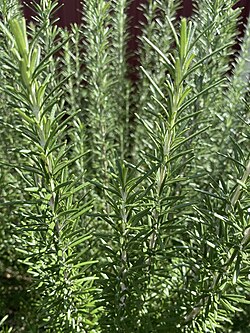
Rosemary is a fragrant, evergreen shrub that has been a staple in gardens and kitchens for centuries. Known for its needle-like leaves and aromatic scent, this versatile plant is much more than just a culinary herb; it is a symbol of remembrance and a powerhouse of natural compounds.
Key Facts
- Scientific Name: Salvia rosmarinus
- Family: Lamiaceae (the mint family)
- Native Region: The Mediterranean
- Lifespan: Can live up to 35 years
- Primary Uses: Culinary flavoring, essential oils, and ornamental landscaping
Botanical Description and Characteristics
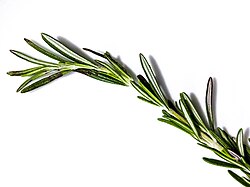
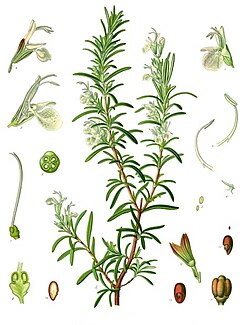
Rosemary is characterized by its aromatic, evergreen leaves that resemble the needles of a Tsuga tree. These leaves typically measure 2–4 cm in length and 2–5 mm in width. They are green on the upper surface and white on the underside, featuring a dense covering of short, woolly hair.
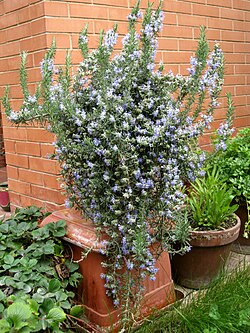
The plant's structure can vary significantly depending on the variety. Some forms grow upright, reaching heights of 1.2 to 1.8 metres (4–6 ft), while others are trailing or prostrate. The branches are often dotted with small groups of two to three flowers, which can appear in shades of white, pink, purple, or deep blue.
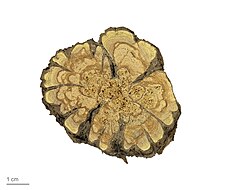
While rosemary typically flowers in the spring and summer in temperate climates, it can bloom nearly year-round in warmer regions. In the Northern Hemisphere, it is not uncommon to see blooms as early as mid-February or as late as early December. The plant is supported by a sturdy, fibrous root system.
Taxonomy and Etymology
The botanical history of rosemary is quite interesting. Originally described by Carl Linnaeus in 1753 as Rosmarinus officinalis, the plant was reclassified in 2017. Based on molecular phylogenetic evidence—the study of evolutionary relationships through genetics—it was moved into the genus Salvia, becoming Salvia rosmarinus.
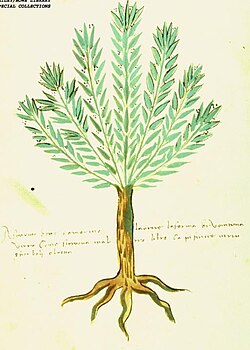
The name "rosemary" is derived from the Latin words ros marinus, which translates to "sea-dew." This name is fitting, as the plant thrives best in coastal environments. Historical botanical illustrations, such as those found in ancient herbals and medicinal plant texts, have documented the plant for hundreds of years.
Distribution and History
Native to the Mediterranean, Portugal, and northwestern Spain, rosemary has traveled far across the globe. It was naturalized in China as early as 220 CE during the late Han dynasty. While its exact arrival in Britain is unknown, it is believed the Romans brought it during their invasion in 43 CE. By the 8th century, rosemary was specifically ordered to be grown in monastic gardens by Charlemagne.
In the 14th century, rosemary was introduced to the gardens of the old palace of Westminster in England. It eventually reached the Americas with early European settlers in the early 17th century and has since been distributed worldwide.
Cultivation and Growth
Rosemary is a popular choice for xeriscaping—a style of landscaping that reduces or eliminates the need for supplemental water from irrigation. Because it is drought-tolerant and pest-resistant, it is considered relatively easy to grow. It can be used as an ornamental plant, pruned into formal hedges, or grown in pots.
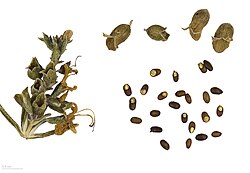
While rosemary is generally hardy, certain cultivars like 'Arp' are specifically bred to withstand extreme cold, surviving temperatures as low as −20 °C (−4 °F). However, gardeners should be aware that rosemary seeds can be difficult to start due to a low germination rate.
When harvesting, it is important to let the bush mature for 2–3 years first. To ensure the health of the plant, you should never harvest more than 20% of its growth at one time.
Popular Cultivars
- 'Albus': Produces white flowers.
- 'Arp': A lemon-scented, cold-hardy upright variety.
- 'Blue Boy': A dwarf, prostrate variety with small leaves.
- 'Gold Dust': Features dark green leaves with strong golden streaks.
- 'Miss Jessopp's Upright': A distinctive tall form with wider leaves.
- 'Prostratus': A variety used primarily as a lower groundcover.
Uses of Rosemary
Culinary Applications
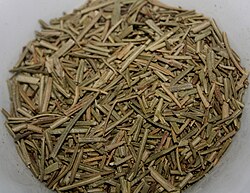
In the kitchen, rosemary is a beloved flavoring agent. Its pine-like aroma makes it an excellent companion for stews, stuffings, roasted meats, and marinades. The leaves can be used fresh or dried, and even the woody stems can be used as skewers in certain cooking methods. Additionally, rosemary extract (specifically those containing carnosic acid and carnosol) is used as a food preservative under the E number E392.
Fragrance and Biochemistry
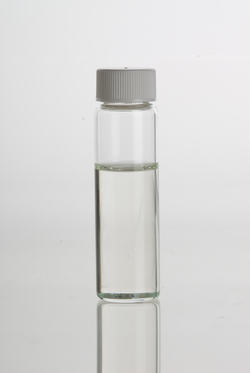
Rosemary is widely used in the fragrance industry. Historically, "Hungary water," one of Europe's first alcohol-based perfumes, was made from distilled rosemary. Today, rosemary oil is a common ingredient in shampoos, cleaning products, and aromatherapy.
The essential oil of rosemary is chemically complex, containing approximately 150 phytochemicals—naturally occurring chemical compounds in plants. These include camphor, rosmarinic acid, and various acids like ursolic and caffeic acid. The oil typically contains between 10% and 20% camphor.
Cultural Significance
Throughout history, rosemary has held sacred status for the Egyptians, Greeks, and Romans. In literature, William Shakespeare famously used rosemary as a symbol of remembrance in plays such as Hamlet and Romeo and Juliet. In many cultures, it remains a symbol of fidelity in love and is used during funerals and war commemorations to honor the dead.
Summary of Botanical Profile
| Category | Classification/Detail |
|---|---|
| Kingdom | Plantae |
| Order | Lamiales |
| Family | Lamiaceae |
| Genus | Salvia |
| Species | S. rosmarinus |
| Hardiness | Drought-tolerant; some varieties survive -20 °C |
Frequently Asked Questions
What is the scientific name of rosemary?
The current scientific name for rosemary is Salvia rosmarinus. It was previously classified as Rosmarinus officinalis before being reclassified in 2017.
How cold-hardy is rosemary?
Rosemary's hardiness varies by cultivar. While many prefer Mediterranean climates, specific varieties like 'Arp' and 'Salem' are quite cold-hardy and can withstand temperatures as low as 10° to 15° Fahrenheit.
Can rosemary be used as a food preservative?
Yes. Rosemary extract, which contains carnosic acid and carnosol, is approved in several countries as a food preservative (E392).
What does the name "rosemary" mean?
The name comes from the Latin ros marinus, which means "sea-dew," reflecting the plant's preference for growing near the sea.
How much of a rosemary plant can I harvest?
To keep the plant healthy, you should never harvest more than 20% of its total growth at one time. It is also recommended to wait until the plant is 2–3 years old before beginning regular harvests.