The Versatile World of Thyme: A Guide to History, Cultivation, and Culinary Uses
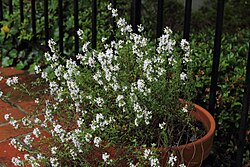
Whether it is wafting from a simmering pot of stew or being used in medicinal preparations, thyme is a plant with a profound impact on human culture. A member of the Lamiaceae (mint) family, thyme consists of the dried aerial parts of various flowering plants within the genus Thymus. Native to the Mediterranean regions of North Africa, the Levant, and Southern Europe, this herb is celebrated for its culinary, medicinal, and ornamental qualities.
A Rich Historical Legacy
The history of thyme is as aromatic as the plant itself. Wild thyme is believed to have first been cultivated in the Levant. Its uses have spanned millennia, beginning with the ancient Egyptians, who utilized common thyme (Thymus vulgaris) for the process of embalming. The ancient Greeks held the herb in high regard, using it in their baths and burning it as incense in temples, as they believed it was a source of courage.
As the Romans expanded their influence, they are thought to have spread thyme throughout Europe. They used the herb to purify rooms and to add an aromatic flavor to liqueurs and cheese. During the European Middle Ages, the herb's reputation for bravery continued; women would often gift thyme leaves to knights and warriors to instill courage. It was also used as a sleep aid, placed under pillows to ward off nightmares, and used in funeral rites to ensure safe passage into the next life.
Interestingly, the name of the fish genus Thymallus (the grayling) is derived from the faint scent of thyme that can be detected in its flesh.
Cultivation and Growth
Thyme is a perennial plant, meaning it lives for more than two years, and it is relatively easy to grow if provided with the right conditions. For best results, it should be planted in a hot, sunny location with well-drained soil. Most gardeners plant thyme in the spring.
The plant is quite hardy and tolerates drought well. It can be propagated through several methods, including using seeds, taking cuttings, or dividing existing rooted sections of the plant. To prevent the plant from becoming too woody, it is recommended to prune it after the flowering season.
Culinary Applications
In the kitchen, thyme is a staple ingredient. It is a key component of the bouquet garni—a bundle of herbs used to flavor soups and stews—as well as the famous French seasoning blend, herbes de Provence.
Thyme is available in both fresh and dried forms, each offering different benefits:
- Fresh Thyme: Generally more flavorful, though it has a short storage life of about a week. However, it can be preserved for many months if carefully frozen. Fresh thyme is often sold in bunches of sprigs (single stems with leaf clusters spaced 15 to 25 millimeters apart).
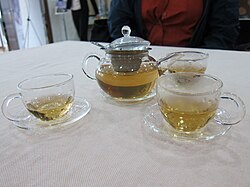
- Dried Thyme: Highly convenient and widely used, such as in Armenian tisanes (herbal teas). Notably, thyme retains its flavor better when dried than many other herbs.
When following a recipe, it is important to note that if a recipe calls for a "bunch" or "sprig," it usually refers to the whole form, including the stem. If a recipe specifies "tablespoons" or "teaspoons," it typically refers only to the leaves. You can remove leaves from the stems by pulling them through your fingers or using the tines of a fork.
Chemical Composition and Health Properties
The unique scent and medicinal properties of thyme come from its complex chemical makeup. The plant contains various essential oils, flavonoids (plant compounds known for antioxidant properties), phenolic acids, and triterpenes.
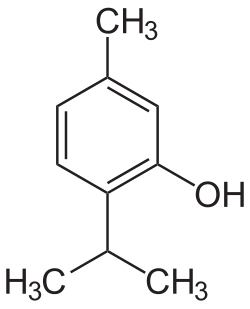
The most significant components are the essential oils thymol and carvacrol. Thymol is the primary aromatic component and is widely recognized for its antiseptic (germ-killing) and antibiotic properties. In fact, thymol is a key active ingredient in many commercial mouthwashes, such as Listerine. Oil of thyme can contain between 20% and 54% thymol.
Other beneficial compounds found in thyme include:
- Flavonoids: Such as luteolin-7-O-glucoside, apigenin, quercetin, and kaempferol, which provide antioxidant and anti-inflammatory benefits.
- Phenolic acids: Including rosmarinic acid, which possesses antimicrobial and antioxidant activities.
- Triterpenes: Such as oleanolic and ursolic acid.
- Tannins: Which contribute to the plant's astringent properties.
Important Species and Cultivars
Not all thyme is the same; different species offer different scents and uses:
- Thymus vulgaris: Known as common, English, or garden thyme, this is the most popular species for culinary use.
- Thymus citriodorus: Various cultivars that offer lemon, orange, or lime scents.
- Thymus herba-barona: Also known as caraway thyme, it has a strong caraway scent due to the chemical carvone.
- Thymus praecox: Known as mother of thyme or wild thyme; in Iceland, it is gathered as a wild herb for cooking and warm infusions.
- Thymus serpyllum: A creeping wild thyme that is an important nectar source for honeybees and a food plant for certain butterflies.
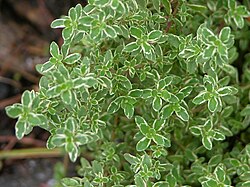
- Thymus pseudolanuginosus: Known as woolly thyme, it is primarily used as a ground cover rather than a culinary herb.
Key Facts
- Family: Lamiaceae (the mint family).
- Primary Use: Culinary, medicinal, and ornamental.
- Key Compound: Thymol, which provides antiseptic properties.
- Growth Habit: A perennial that thrives in sun and well-drained soil.
- Flavor Retention: Thyme maintains its flavor exceptionally well when dried.
Nutritional Summary (per 100g serving)
| Nutrient | Amount |
|---|---|
| Energy | 101 kcal (420 kJ) |
| Protein | 6 g |
| Fat | 1.7 g |
| Carbohydrate | 24 g |
Frequently Asked Questions
How should I grow thyme in my garden?
Thyme grows best in sunny locations with soil that drains well. It is a perennial plant that is typically planted in the spring. To prevent the plant from becoming too woody, you should prune it after it has finished flowering.
What is the difference between fresh and dried thyme in cooking?
Fresh thyme is more flavorful but has a very short shelf life, usually lasting less than a week unless frozen. Dried thyme is more convenient and is highly effective because thyme retains its flavor well during the drying process.
Can I use the stems of thyme in my recipes?
It depends on the recipe. If a recipe calls for a "sprig" or a "bunch," you should use the whole stem. However, if the recipe measures thyme in teaspoons or tablespoons, you should use only the leaves and discard the woody stems.
Why is thymol significant?
Thymol is the principal aromatic component of thyme and is responsible for much of the plant's antiseptic and antibiotic properties. It is so effective that it is used as an active ingredient in many commercial mouthwashes.
Is thyme good for bees?
Yes, many thyme species, such as Thymus serpyllum, are important nectar sources for honeybees. In certain regions, like Greece and Malta, wild thyme is even famous for the honey it produces.