Mardi Gras: History, Traditions, and Global Celebrations
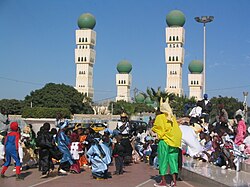
Mardi Gras, known globally as Fat Tuesday, Shrove Tuesday, or Pancake Tuesday, is a vibrant annual celebration that serves as the final festive period before the Christian season of Lent—a period of fasting and repentance. Occurring exactly 47 days before Easter and the day before Ash Wednesday, this cultural and religious phenomenon is characterized by grand parades, elaborate costumes, and indulgent feasts.
While many associate the holiday exclusively with the United States, it is part of a broader tradition of Carnival celebrations found across Europe and other parts of the world, each with its own unique regional customs.
Key Facts
- Timing: The day before Ash Wednesday (March 4, 2025; February 17, 2026).
- Purpose: A final celebration to use up rich foods (fats, eggs, sugar) before the Lenten fast.
- Core Traditions: Parades, masked balls, and the consumption of pancakes.
- US Origins: First organized celebrations began in Mobile, Alabama, in 1703.
- Key Terminology: "Krewes" are the mystic societies that organize parades and balls.
Global Variations of the Celebration
Germany and Central Europe
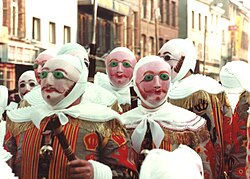
In German-speaking regions, the celebration is known by various names such as Fastnacht (the eve of the fast), Karneval, or Fasching. In the Lower Rhine region, it is specifically called Veilchensdienstag (Violet Tuesday). These festivities are often viewed as the "fifth season," beginning on November 11 at 11:11 AM with the waking of Hoppeditz, the Fool, and concluding with a comic funeral mass on Fastnacht.
United Kingdom and Ireland
In Anglican and Irish traditions, the day is primarily known as Shrove Tuesday or Pancake Day. Historically, this was a practical way to use up surplus eggs, milk, and butter—ingredients prohibited during the Lenten fast. In some English parishes, the "Shriving Bell" would ring at noon to signal the start of pancake frying and call the faithful to confession.

Mardi Gras in the United States
The French Influence and Mobile, Alabama
The roots of the American celebration trace back to French explorers. On March 3, 1699, Iberville named a camp "Point du Mardi Gras" to honor the holiday. However, the first organized Mardi Gras tradition in the U.S. was established in 1703 by French settlers in Mobile, Alabama. Mobile saw the birth of the first informal mystic society, or krewe, the Boeuf Gras Society in 1711, followed by the Order of Myths in 1867.
The New Orleans Legacy
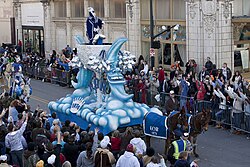
New Orleans, founded in 1718, eventually became the most famous site for Mardi Gras. The first recorded parade took place in 1833, funded by Bernard de Marigny. By 1853, the Mistick Krewe of Comus established the "old-line" krewe tradition, featuring paper-mâché wagons and formal balls. This evolved into the modern era of "super krewes" like Endymion, Bacchus, Zulu, and Rex, whose massive parades define the city's festivities.
The city's famous slogan, "Laissez les bons temps rouler" (Let the good times roll), refers specifically to the rolling of the parade floats.
Other American Celebrations
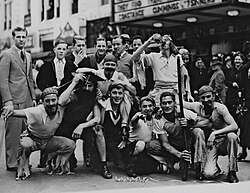
- Galveston, Texas: Celebrations began in 1867, evolving by 1871 into grand night parades led by rival societies like the Knights of Momus and Knights of Myth.
- St. Louis, Missouri: Located in the historic Soulard neighborhood, St. Louis hosts the second-largest celebration in the U.S. While the city has French roots from the 1760s, its modern Mardi Gras festivities began in the 1980s.
Modern Customs and Social Dynamics
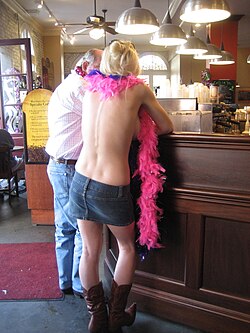
Beyond the parades, Mardi Gras has seen various social evolutions. In recent decades, a tradition emerged in New Orleans where some women bare their breasts in exchange for beads and trinkets, a phenomenon social scientists have termed "ritual disrobement." Studies from 1991 recorded over 1,200 such instances during the festivities.
| Region/City | Primary Name | Key Feature |
|---|---|---|
| New Orleans, USA | Mardi Gras | Super Krewes and float parades |
| Mobile, USA | Mardi Gras | First organized US celebrations (1703) |
| Germany | Fastnacht / Karneval | The "Fifth Season" starting Nov 11 |
| UK / Ireland | Shrove Tuesday | Pancake consumption |
| St. Louis, USA | Mardi Gras | Soulard neighborhood festivities |
Frequently Asked Questions
What does "Mardi Gras" actually mean?
Mardi Gras is French for "Fat Tuesday," referring to the tradition of eating rich, fatty foods before the fasting period of Lent begins.
What is a "krewe"?
A krewe is a mystic society or organization that plans and funds the parades, floats, and balls associated with Mardi Gras celebrations, particularly in New Orleans and Mobile.
Why are pancakes eaten on Shrove Tuesday?
Pancakes were traditionally made using eggs, milk, and butter—ingredients that were forbidden during Lent—to ensure these luxury foods did not go to waste.
When is Mardi Gras celebrated?
It is celebrated annually on the day before Ash Wednesday, which falls 47 days before Easter. For example, it will occur on March 4 in 2025.
Where did Mardi Gras start in the United States?
While New Orleans is the most famous location, the first organized Mardi Gras traditions in the U.S. were established by French settlers in Mobile, Alabama, in 1703.