Lent: Traditions, Meaning, and Observances in Christianity
Lent is a solemn period of repentance and spiritual preparation observed by many Christian denominations prior to Easter. Rooted in the practice of asceticism—a lifestyle of frugality and abstinence—Lent serves as a time for believers to reflect on their faith, seek forgiveness for sins (penance), and prepare their hearts for the celebration of the resurrection of Jesus Christ.
The season is characterized by a shift in focus toward simplicity and sacrifice, mirroring the biblical accounts of fasting and wilderness experiences. From the imposition of ashes to the veiling of religious images, the traditions of Lent are designed to foster a deeper relationship with God through discipline and devotion.
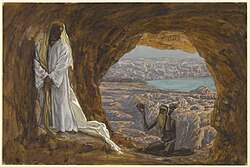
Key Facts
- Purpose: A period of repentance, fasting, and prayer leading up to Easter.
- Duration: Traditionally 40 days (excluding Sundays in Western traditions).
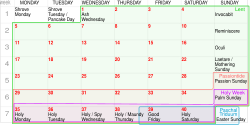
- Start Date: Begins on Ash Wednesday in Western Christianity and Clean Monday in Eastern Christianity.
- Three Pillars: The core practices are prayer, fasting, and almsgiving.
- Liturgical Color: Violet or purple, symbolizing penance and detachment.
The Biblical Significance of 40 Days
The duration of Lent is deeply symbolic, as the number 40 appears frequently in the Bible to denote periods of testing, trial, or preparation:
- Moses: Spent 40 days on Mount Sinai with God.
- Elijah: Traveled for 40 days and nights to Mount Horeb.
- Noah: God sent rain for 40 days and nights during the Great Flood.
- Israelites: Wandered the desert for 40 years on the way to the Promised Land.
- Nineveh: Jonah prophesied that the city had 40 days to repent.
- Jesus: Fasted for 40 days in the wilderness before beginning his public ministry.
Observances and Traditions
The Start of Lent: Ash Wednesday
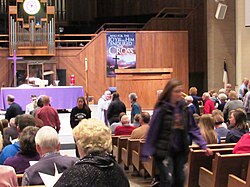
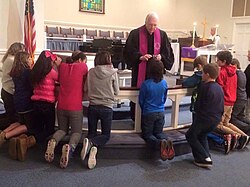
In Western traditions, Lent begins on Ash Wednesday. A central practice of this day is the public imposition of ashes, where a cross is drawn in ashes on the forehead. This act serves as a visible reminder of human mortality and a call to repentance.

The Three Pillars of Lent
Believers typically focus on three primary spiritual disciplines to achieve "justice" toward God, self, and neighbors:
- Prayer: Seeking a closer relationship with God through devotion and reflection.
- Fasting: Practicing self-denial to focus on spiritual rather than physical needs. This can range from the "Black Fast" (fasting until sunset) to the "Daniel Fast" (a plant-based diet).
- Almsgiving: Providing material aid to the poor and needy as an act of charity.

Liturgical Changes and Symbols
During Lent, the atmosphere of the church changes to reflect the penitential nature of the season. The liturgical color is violet (or purple), representing penance. In many traditions, the Gloria and Alleluia are omitted from the liturgy to emphasize the somber mood.
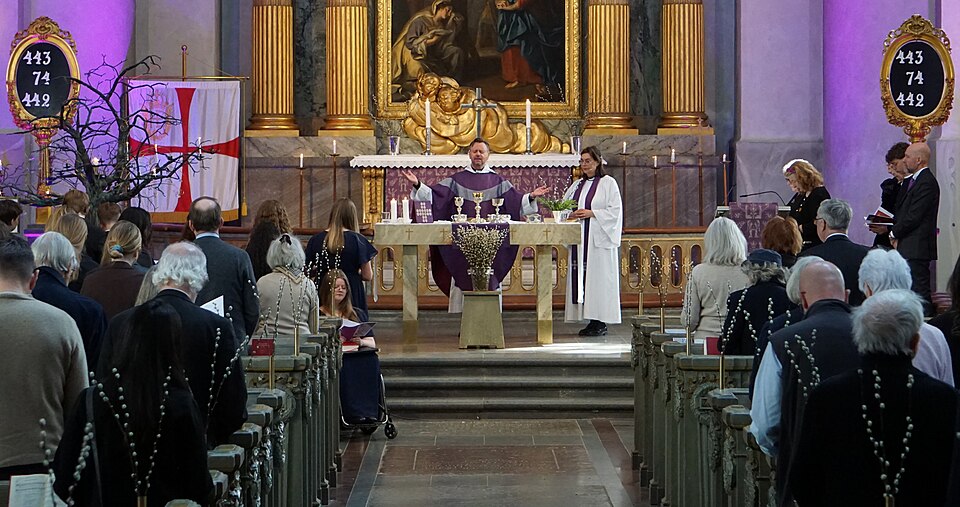
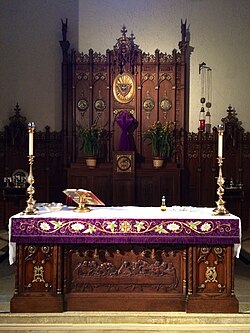
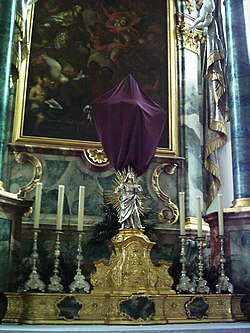
Another distinct tradition is the veiling of religious images. Altar crosses and statuary depicting Christ in glory are covered with purple cloths, remaining hidden until the end of the season.
Public Processions and Holy Week
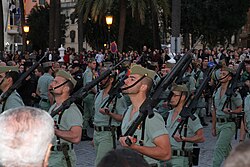
As Lent progresses toward Easter, many communities engage in street processions, often involving confraternities of penitents. These events are sometimes accompanied by military escorts for security and parade purposes.
![Lent observers, including a confraternity of penitents, carrying out a street procession during Holy Week, in Granada, Nicaragua. The violet colour is often associated with penance and detachment. Similar Christian penitential practice is seen in other Christian countries, sometimes associated with fasting.[39]](/images/48/4a/484aed2d9001d7cfa8dbfbfaaad5ca65907543d1fb1a8bbf907fa2f439a37ed4.jpg)
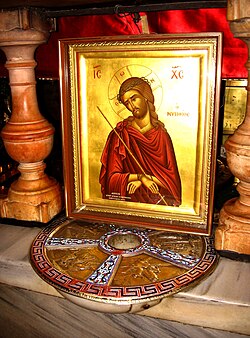
The season culminates in Holy Week, which includes the Easter Triduum (the three days from the Mass of the Lord's Supper to the Easter Vigil). In some Lutheran and Anglican churches, the liturgical color shifts to red during this final week.
![The chancel of a Lutheran church decorated with red paraments, the liturgical colour of the last week of Lent, Holy Week, in the Lutheran and Anglican Churches[177]](/images/38/61/38615f2ed3dd0deae2df04c80b7ce79598198e974823d980718ca775fc637161.jpg)
Lenten Calendar Summary
| Tradition | Start Date | End Date | Key Characteristics |
|---|---|---|---|
| Western (Catholic, Protestant) | Ash Wednesday | Holy Thursday or Holy Saturday | 40 days (excluding Sundays); Violet vestments |
| Eastern Orthodox | Clean Monday | Friday before Lazarus Saturday | Known as Great Lent; Strict fasting |
| Ethiopian Orthodox | Variable | Variable | Extended fasting period (up to 55 days) |
Frequently Asked Questions
Why is the color purple used during Lent?
Purple or violet is the traditional liturgical color for Lent because it symbolizes penance, preparation, and a detachment from worldly luxuries.
What is the difference between fasting and abstinence?
Fasting generally refers to the reduction of the amount of food consumed or the omission of entire meals, while abstinence refers to avoiding specific types of food, such as meat or animal products.
Why are the Alleluias not sung during Lent?
The omission of the Alleluia is a liturgical practice intended to reflect the season's focus on repentance and mourning, making its return on Easter Sunday more joyful and impactful.
What is the Daniel Fast?
The Daniel Fast is a religious diet based on the Old Testament prophet Daniel, typically consisting of vegetables, fruits, and water, avoiding meat and processed foods.
How long does Lent actually last?
While traditionally called a 40-day fast, the period from Ash Wednesday to Easter is actually 46 days. The "40 days" count is reached by excluding Sundays, which are considered celebratory days rather than days of fasting.