CarnivalMardi GrasShrovetideLentRio Carnival

Carnival Traditions and Global Celebrations

Carnival Traditions and Global Celebrations Carnival, also known as Shrovetide in some regions, is a vibrant festive season marking the end of the Christian pre-Lenten period. This period...

Carnival Traditions and Global Celebrations

Carnival, also known as Shrovetide in some regions, is a vibrant festive season marking the end of the Christian pre-Lenten period. This period of revelry encompasses Quinquagesima (Shrove Sunday), Shrove Monday, and culminates in Shrove Tuesday, widely recognized as Mardi Gras.

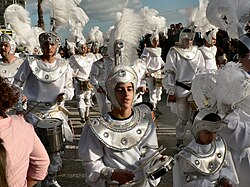
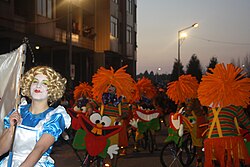
At its core, Carnival is a time of indulgence and social inversion. Public celebrations typically feature parades, street parties, and circus-like entertainments. By donning elaborate costumes and masks, participants can set aside their everyday identities, fostering a heightened sense of social unity and anonymity.

Historically, the festival serves as a final opportunity for indulgence before the austerity of Lent—a period of fasting and sacrifice. Traditionally, people consumed stocks of butter, milk, and meat to reduce waste before these animal products were restricted. Today, this tradition persists through the consumption of rich desserts like pancakes and donuts.

Key Facts
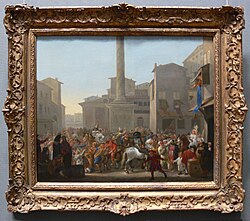
Carnival in Rome, c. 1650
  • Timing: Occurs immediately before the start of Lent.
  • Core Purpose: A period of indulgence and celebration before a season of fasting.
  • Key Dates: Includes Shrove Sunday, Shrove Monday, and Shrove Tuesday (Mardi Gras).
  • Global Reach: Celebrated across the Americas, Europe, Africa, and Asia.
  • World Record: Rio de Janeiro's Carnival is recognized by Guinness World Records as the largest in the world.

Historical Roots and Evolution
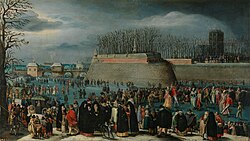
Carnival on Ice at the Kipdorppoort Moats in Antwerp, c. 1620

The origins of Carnival are a blend of religious and pagan influences. Some theories link these celebrations to ancient rites, such as the Feast of the Navigium Isidis in Ancient Rome, which honored the goddess Isis.
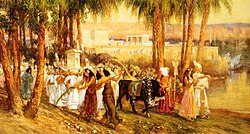
Feast of the Navigium Isidis, celebrated in Ancient Rome in honor of the goddess Isis

In Ancient Greece, celebrations like the Anthesteria also featured parades, reflecting a long-standing human tradition of using masks and processions to mark seasonal transitions.
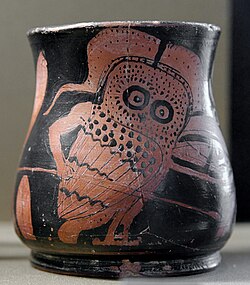
Oinochoe depicting the parade of an armed owl during the celebration of the Anthesteria (Greece, 410–390 BC)

During the Middle Ages, the festival evolved into a structured period of "role reversal," where social hierarchies were temporarily ignored. This is captured in art, such as Pieter Bruegel the Elder's depiction of the fight between Carnival and Lent.
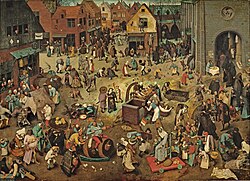
The Fight Between Carnival and Lent, Pieter Bruegel the Elder, 1559

Global Variations of Carnival

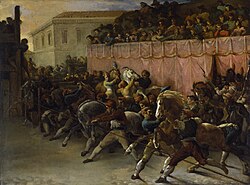
Riderless Racers at Rome by Théodore Géricault. From the mid-15th century until 1882, spring carnival in Rome closed with a horse race. Fifteen to 20 riderless horses, originally imported from the Barbary Coast of North Africa, ran the length of the Via del Corso, a long, straight city street, in about 21⁄2 minutes.

The Americas

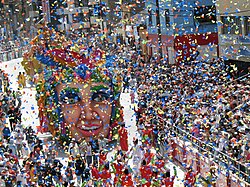
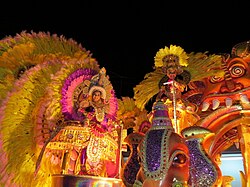
In the Americas, Carnival has evolved into some of the world's most massive spectacles. Brazil is home to the world-famous Rio de Janeiro Carnival, as well as significant celebrations in Recife and Salvador.

Rio's Carnival is the largest in the world according to Guinness World Records.[1]

Other notable American celebrations include the Mardi Gras of New Orleans in the United States, the colorful parades of Trinidad and Tobago, and the unique traditions of Bolivia, where the Diablada (a primeval dance) is a recognized Masterpiece of the Oral and Intangible Heritage of Humanity.
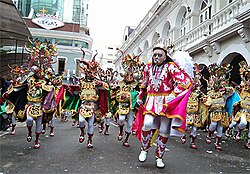
The Diablada, dance primeval, the typical and main dance of Carnaval de Oruro, a Masterpiece of the Oral and Intangible Heritage of Humanity since 2001 in Bolivia

Europe

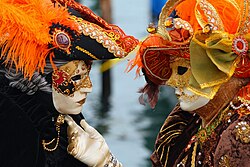
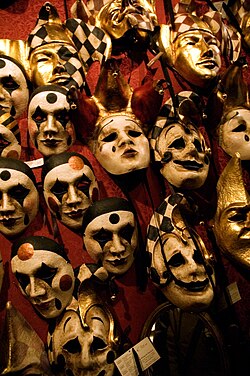
European Carnivals often blend satire with tradition. The Carnival of Venice is renowned for its intricate masks that portray exaggerated and satirical appearances.
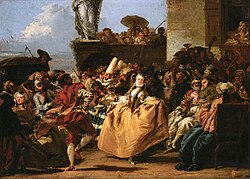
Carnival in Venice, by Giovanni Domenico Tiepolo, 1750

Typical masks worn at the Venice Carnival, which portray the satirical and exaggerated appearances often used

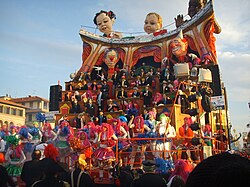
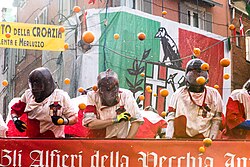
In Belgium, the Carnival of Binche features the iconic Gilles, while Germany and Austria celebrate various forms of Fasnacht or Fasching. Italy offers diverse traditions, from the Battle of the Oranges in Ivrea to the artistic floats of Viareggio.
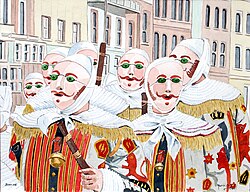
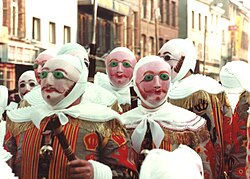
Gilles of Binche (Belgium)

The Battle of the Oranges at the Carnival of Ivrea, in Ivrea, Italy

Africa and Asia

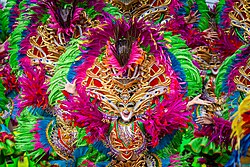
Carnival traditions have also taken root in Africa and Asia. In Africa, celebrations are found in Zimbabwe, Namibia, and the Cape Verde Islands. In Asia, India hosts the Goan Carnival, and the Philippines celebrates festivals like the Masskara and Sinulog, which blend local culture with carnival elements.
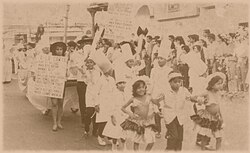
Panaji locals participating at the Goan Carnival, India, late 20th century

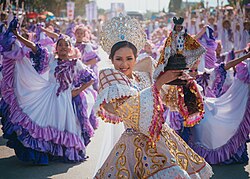
Parade contingents in the 2024 Masskara Festival of Bacolod, Philippines

Summary of Major Carnival Traditions
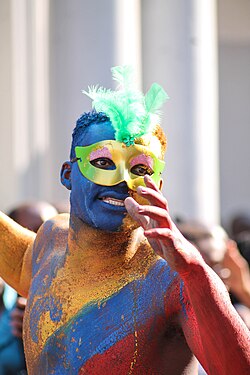
Harare Carnival dancer
Notable Global Carnival Celebrations
Region Notable Celebration Key Feature
Brazil Rio de Janeiro Carnival Largest carnival in the world
Italy Carnival of Venice Intricate, satirical masks
USA New Orleans Mardi Gras Parades and street revelry
Bolivia Carnaval de Oruro The Diablada dance
Belgium Carnival of Binche The Gilles characters
Trinidad & Tobago Trinidad Carnival Masqueraders and steelbands

Frequently Asked Questions
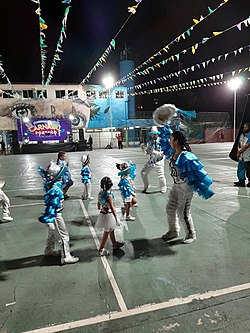
Carnival in Argentina by school children
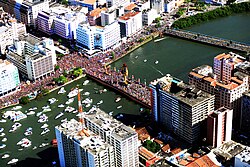
Recife Carnival, in Recife, Pernambuco, Brazil
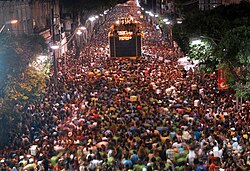
Carnival circuit of Salvador, Bahia, Brazil
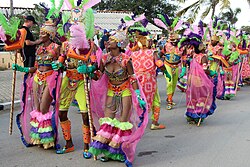
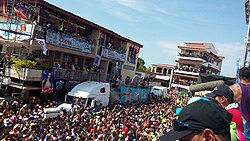
Carnival in Rincon, Bonaire
Congos troupe in Barranquilla carnival
The Blacks and Whites' Carnival in Pasto, Colombia
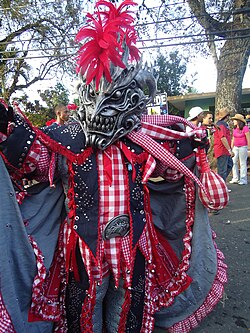
Traditional cojuelo mask of the Dominican carnival in La Vega, Dominican Republic
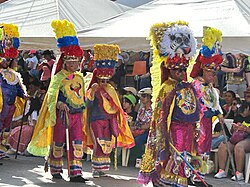
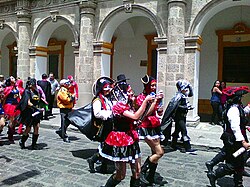
Carnival parade in Latacunga, Ecuador
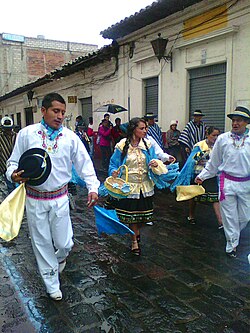
Parade in Latacunga, Ecuador
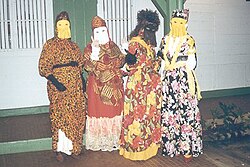
Four touloulous
Four touloulous
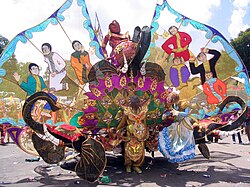
Two Queens, representing Calle Arriba and Calle Abajo, standing on a float
A culeco
A culeco
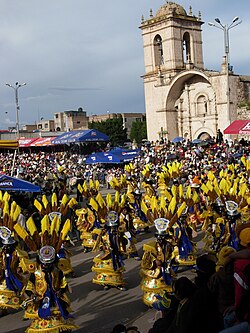
Morenada dance, in the Carnival of Juliaca, Peru
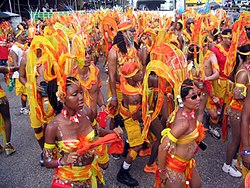
Masqueraders chipping on Carnival Tuesday in Port of Spain during Trinidad and Tobago Carnival
The Carnival King costume for a particular band
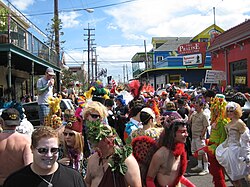
Revelers on Frenchmen Street, in New Orleans, USA
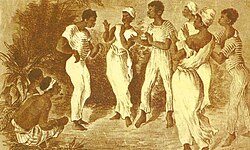
Afro-Uruguayans gathering for a Candombe celebration, c. 1870
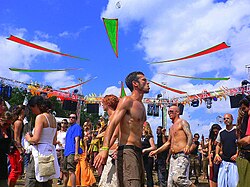
Foreign tourist revellers at the modern Goan Carnival, India, 2005
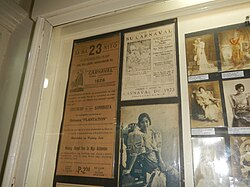
Posters and flyers of the Manila Carnival as well as photos of crowned Carnival Queens (c. 1920s-1930s), from the Escolta Museum
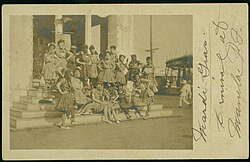
Postcard from the Manila Carnival (c. 1920s)
Parade contingents in the 2023 Sinulog Festival of Cebu, Philippines
The Gilles at the Carnival of Binche, in Binche, Belgium
Long-Né and Longuès-Brèsses at the Carnival of Malmedy (Cwarmê), in Malmedy, Belgium
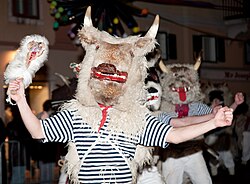
Halubajski zvončari at Rijeka Carnival, in Rijeka, Croatia
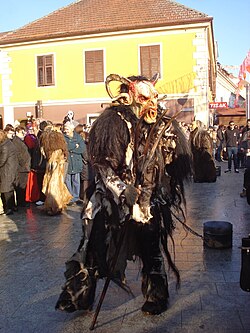
A Krampus from Međimurje County, northern Croatia
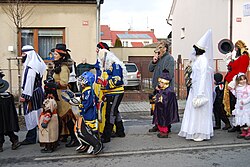
Masopust masks in Milevsko, Czech Republic
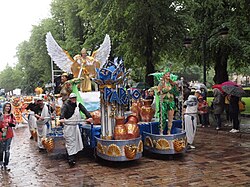
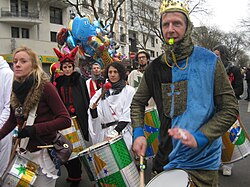
The 2016 Helsinki Samba Carnaval in Helsinki, Finland
Carnival in Paris, France
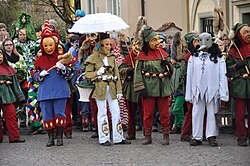
Reitenderle, der Grundholde, Hudelmale, Schnarragagges; popular Fasnet characters from Kisslegg im Allgäu, Swabia, Germany
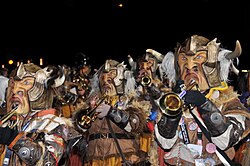
Monstercorso on Güdisdienstag's evening in Lucerne, Switzerland
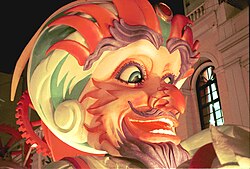
The float of the King Carnival parading in Patras, Greece
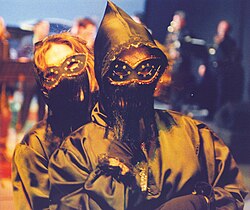
Ladies on their way to the historic Bourboulia ball in Patras, Greece, wearing the dómino costumes unique to that ball
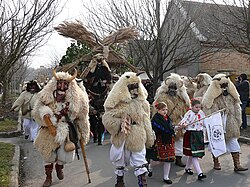
The Busójárás in Mohács, Hungary
Distinctive Venetian masks at the Carnival of Venice
Carnival of Viareggio 2011, Uer iz de parti?
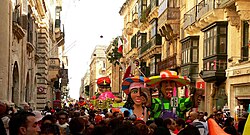
Carnival procession in Valletta, Malta
Carnival in Valletta, Malta
Sesimbra Carnival, in Sesimbra, Portugal
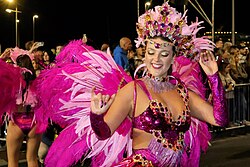
A dancer in the Carnival of Madeira, in Funchal, Portugal
Carnival of Ovar in Ovar, Portugal
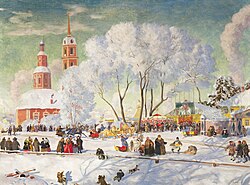
Boris Kustodiev's painting of Maslenitsa, Russia
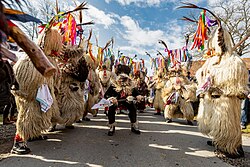
Kurentovanje in Ptuj, Slovenia
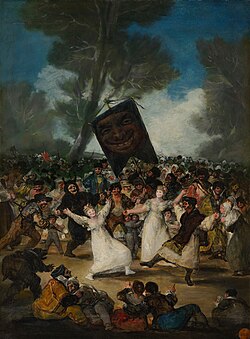
The Burial of the Sardine, Francisco Goya, c. 1812
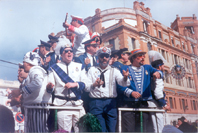
A choir singing in the Carnival of Cádiz, in Cádiz, Andalusia, Spain
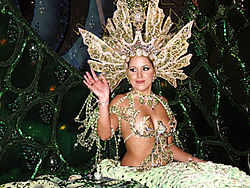
Carnival Queen of Santa Cruz de Tenerife, Canary Islands, Spain
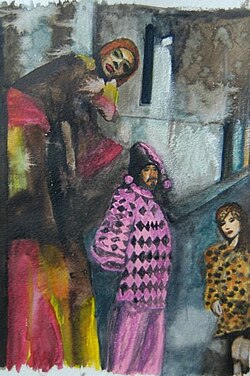
Vidalot is the last night of revelry before Ash Wednesday in Vilanova, Catalonia, Spain. Water color painting by Brad Erickson.
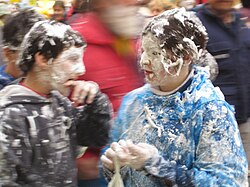
Children become covered in meringue during Dijous Gras, in Vilanova, Catalonia, Spain
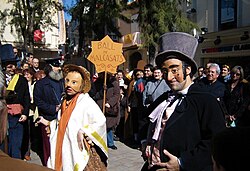
The Ball de Malcasats (Dance of the Mismatched Couples) is a satiric talking-dance traditional to Carnaval in Vilanova, Catalonia, Spain.
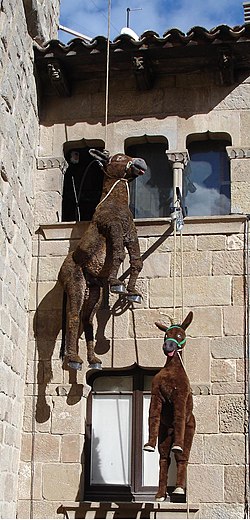
Donkeys of Solsona, Catalonia, Spain, hung in the tower bell
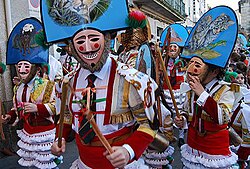
The Cigarrón, the typical character of the Entroido, in Verín, Galicia, Spain
Filloas, a crêpe-like typical dish served in Galician Entroidos

What is the difference between Carnival and Mardi Gras?

Carnival is the overall festive season leading up to Lent, while Mardi Gras (French for "Fat Tuesday") is specifically the final day of the celebration before Ash Wednesday.

Why do people wear masks during Carnival?

Masks allow participants to set aside their everyday individuality and social status, promoting a sense of social unity and allowing for satirical expression.

What is the purpose of eating pancakes on Shrove Tuesday?

Traditionally, pancakes were a way to use up rich ingredients like eggs, butter, and milk before the Lenten fast, during which these animal products were restricted.

Which is the largest Carnival in the world?

According to Guinness World Records, the Carnival in Rio de Janeiro, Brazil, is the largest in the world.

Is Carnival only celebrated in Christian countries?

While it has Christian roots, Carnival has evolved into a global cultural phenomenon celebrated in diverse regions including India, the Philippines, and various African nations.
References

  1. "Largest carnival". Guinness World Records. 1 January 2004. Archived from the original on 15 April 2016. Retrieved 11 February 2016.
  2. "carnival (n.)". Oxford English Dictionary (online ed.). Oxford University Press. doi:10.1093/OED/8045197810. The season immediately preceding Lent, devoted in Italy and other Roman Catholic countries to revelry and riotous amusement, Shrovetide; the festivity of this season. High Carnival: the revelry of the Carnival at its height. (Subscription or participating institution membership required.)
  3. "Shrovetide (n.)". Oxford English Dictionary (online ed.). Oxford University Press. doi:10.1093/OED/2819425396. The period comprising Quinquagesima Sunday and the two following days, 'Shrove' Monday and Tuesday. (Subscription or participating institution membership required.)
  4. Bakhtin, Mikhail. 1984. Rabelais and his world. Translated by H. Iswolsky. Bloomington: Indiana University Press. Original edition, Tvorchestvo Fransua Rable i narodnaia kul'tura srednevekov'ia i Renessansa, 1965.
  5. Barrows, Susanna; Room, Robin (1991). Drinking: Behavior and Belief in Modern History. University of California Press. pp. 404–. ISBN 9780520070851. Retrieved 17 February 2015.