Louisiana: The Cultural and Geographic Heart of the Bayou State
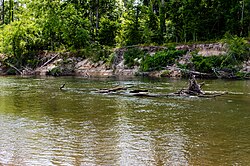
Known affectionately as the Pelican State or the Bayou State, Louisiana is a region of profound contrast and vibrant heritage. From the bustling urban center of New Orleans to the serene, moss-draped landscapes of the Honey Island Swamp, Louisiana blends a unique mixture of French, Spanish, African, and American influences. Its identity is inextricably linked to the water, defined by the powerful Mississippi River and the intricate networks of bayous that carve through its southern plains.
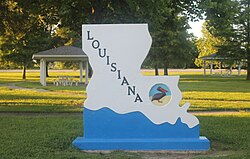
Whether recognized by its distinct "Boot" shape on the map or its world-famous festivals, Louisiana stands as a testament to cultural resilience and natural beauty.
Key Facts
- Capital: Baton Rouge
- Largest City: New Orleans
- Official Nicknames: Pelican State, Bayou State, Creole State, Sportsman's Paradise, The Boot
- State Motto: Unio, Iustitia, Confidentia (Union, Justice, Confidence)
- State Anthem: "You Are My Sunshine"
- Admission to Union: April 30, 1812
- Highest Point: Driskill Mountain (535 ft)
- Lowest Point: New Orleans (−8.2 ft)
A Journey Through History
Pre-Colonial and Early Settlements
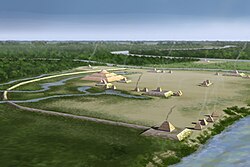
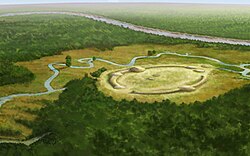
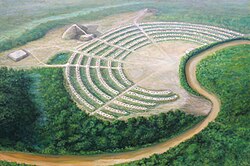
Long before European arrival, Louisiana was home to sophisticated indigenous cultures. The region boasts some of the oldest earthworks in North America, including Watson Brake, the oldest mound complex on the continent, and the Poverty Point UNESCO site.
European Colonization and the Louisiana Purchase
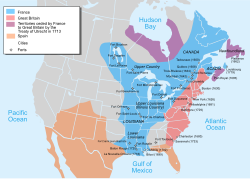
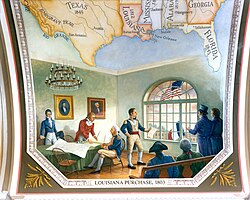
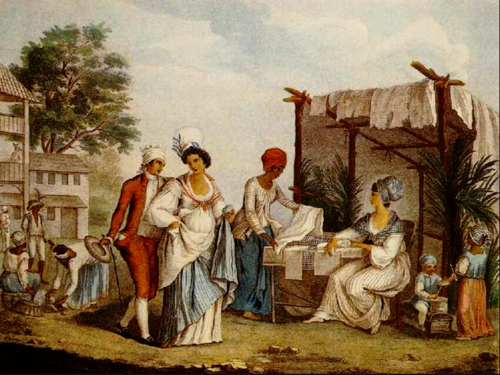
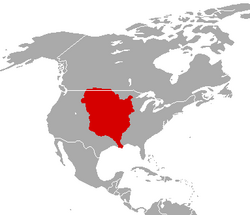
The territory was initially explored and colonized by the French, forming part of New France. This era established the foundation for the state's unique linguistic and legal traditions. Later, the region transitioned to Spanish control before the United States acquired the territory in the Louisiana Purchase of 1803, a pivotal expansion that nearly doubled the size of the young nation.
Conflict and Statehood
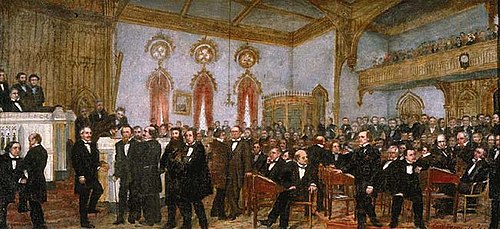
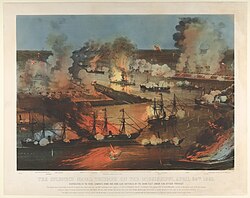
Louisiana officially joined the Union in 1812. However, the 19th century was marked by turmoil, including the state's secession from the Union on January 26, 1861, and the subsequent American Civil War, which saw the capture of New Orleans in April 1862.
Geography and Environment
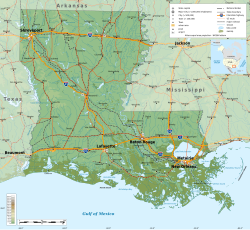
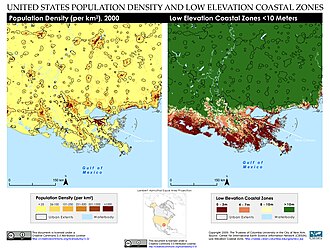
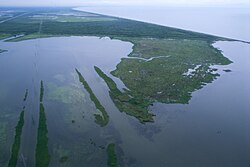
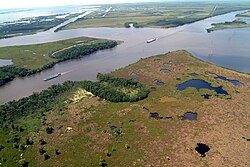
Louisiana's landscape is dominated by its low elevation and proximity to the Gulf of Mexico. The state is divided into diverse ecological zones, from the pine forests of the north to the coastal wetlands of the south. The Mississippi River Delta is a critical geographic feature, though it remains highly vulnerable to sea-level rise and erosion.
Flora and Fauna
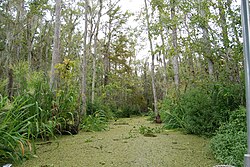
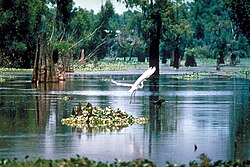
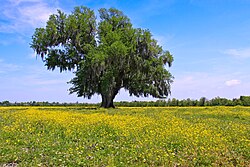
The state is a haven for biodiversity. Its official symbols reflect this natural wealth, featuring the brown pelican, the alligator, and the bald cypress tree. The wetlands provide essential habitats for a wide array of wildlife, though they face ongoing environmental challenges.
Climate Patterns
Louisiana experiences a humid subtropical climate. While summers are typically hot and humid, winters are generally mild, particularly in the southern parishes. Coastal cities like New Orleans often see higher average temperatures and significant humidity throughout the year.
| City | Annual Average Temp (°F) | Annual Average Low (°F) |
|---|---|---|
| New Orleans | 70.3 | 21.3 |
| Baton Rouge | 68.0 | 20.0 |
| Shreveport | 65.9 | 18.8 |
| Lafayette | 68.5 | 20.3 |
| Lake Charles | 68.6 | 20.3 |
Demographics and Culture
![French pirate Jean Lafitte, who operated in New Orleans, was born in Port-au-Prince around 1782.[76]](/images/ab/3b/ab3b80ffee9264d3aaa56d4fce955b9dabaf5788b78771db9253aa3dfdeadbee.jpg)
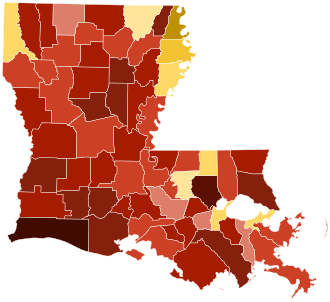
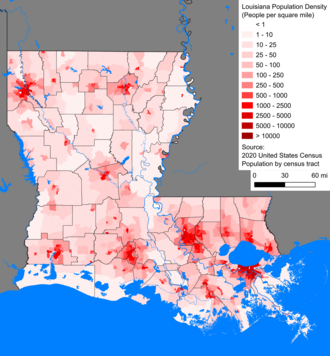
Louisiana is a melting pot of ethnicities and traditions. The population is characterized by a significant blend of Non-Hispanic White (55.8%) and African American (31.2%) residents, with a growing Hispanic or Latino community (6.9%).
The Cultural Mosaic
The state's identity is shaped by several distinct cultural groups:
- Cajuns: Descendants of French Acadians who settled in southern Louisiana.
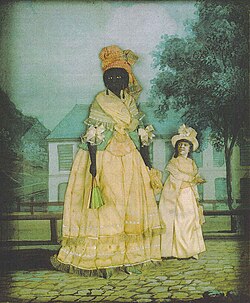
- Creoles: A diverse group with mixed French, Spanish, African, and Native American heritage.
- Isleños: Descendants of Canary Islanders who settled in areas like St. Bernard Parish.

Language and Religion
While English is the primary spoken language (91.26%), Louisiana French holds a special status. Religiously, the state is predominantly Protestant (53%), followed by Catholic (22%) and a significant unaffiliated population (19%).
Economy and Infrastructure
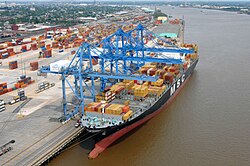
Louisiana's economy is heavily influenced by its geography. The Port of New Orleans serves as a global gateway for trade, while the state's agricultural sector is famous for rice and Tabasco pepper production.

Government and Law
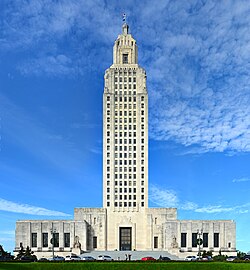
The state is governed from Baton Rouge, home to the tallest state capitol building in the United States. Notably, Louisiana is the only U.S. state that utilizes a Civil Law system, a legacy of its French and Spanish roots, rather than the English Common Law used by other states.
Frequently Asked Questions





What is the difference between Cajun and Creole culture?
Cajun culture primarily stems from the French Acadians who were exiled from Canada and settled in rural southern Louisiana. Creole culture is more urban and diverse, originating from a blend of French, Spanish, African, and Native American influences, particularly in New Orleans.
Why is Louisiana's legal system different from other states?
Louisiana is the only state that follows a Civil Law system because of its history as a French and Spanish colony. While other states use Common Law based on judicial precedent, Louisiana's system is rooted in a written civil code.
What is the significance of the Louisiana Purchase?
The Louisiana Purchase of 1803 was a land deal between the United States and France. It significantly expanded the U.S. territory westward to the Rocky Mountains and gave the U.S. full control of the Mississippi River and the Port of New Orleans.
Which city is the largest in Louisiana?
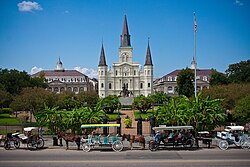
New Orleans is the largest city in Louisiana, known for its unique architecture, jazz music, and the annual Mardi Gras celebrations.
What are the primary environmental threats to Louisiana?
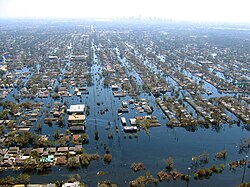
The state faces severe threats from sea-level rise, coastal erosion, and extreme weather events, such as Hurricane Katrina, which caused devastating flooding in New Orleans and surrounding parishes.