Acadiana: The Heart of Cajun and Creole Culture
Nestled in the southern reaches of Louisiana, Acadiana is a region defined by its vibrant heritage, unique linguistic blends, and a resilient spirit. Known as the ancestral home of the Cajuns and Creoles, this area is more than just a geographic location; it is a cultural sanctuary where French influence, African traditions, and Native American roots converge.
From the bustling streets of Lafayette to the quiet bayous of the coast, Acadiana represents a distinct slice of American identity. Whether through its world-renowned music, cuisine, or the enduring presence of the French language, the region continues to preserve a legacy that dates back centuries.
Key Facts
- Official Recognition: Formally recognized by the Louisiana State Legislature in 1971.
- Geography: Comprises 22 named parishes stretching from the Texas border to just west of New Orleans.
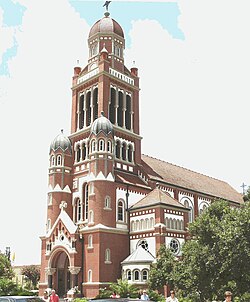
- Largest City: Lafayette serves as the region's primary urban center.
- Population: Approximately 1,486,345 residents (2020 census).
- Cultural Identity: Primarily identified by Cajun and Creole populations.
- Languages: A blend of Cajun English, Louisiana French, and Louisiana Creole.
The Origins of Acadiana
The term "Acadiana" has a curious dual origin. It first appeared in print on October 15, 1946, in the Crowley Daily Signal to describe the settlement areas of French descendants of the Acadians. However, the term was popularized in the 1960s by KATC television in Lafayette. Interestingly, the station's use of the word began with a clerical error; an invoice was mistakenly addressed to the "Acadiana" Television Corp (adding an extra "a" to "Acadian"), and the station adopted the name to describe its broadcast region.
Legislative Recognition
While the name grew organically through media and local use, the Louisiana State Legislature officially recognized the region in 1971. The government designated 22 parishes and other culturally similar areas as "The Heart of Acadiana" due to their strong French Acadian cultural aspects. This official designation is now reflected on regional maps and highway markers.
Geography and Regional Layout
Acadiana spans a vast area of 14,574.105 square miles, making it larger than the state of Maryland or the sovereign nation of the Bahamas. It extends from the Gulf of Mexico coast to Marksville, roughly 100 miles inland.
The region is divided into several distinct cultural zones. The "Cajun Heartland, USA" consists of Lafayette Parish and seven surrounding parishes. To the east lie the River Parishes (St. Charles, St. James, and St. John the Baptist), an area once known as the German Coast due to 18th-century German immigration. St. James and Ascension parishes were originally called the First and Second Acadian Coasts, respectively.
A Diverse Cultural Tapestry
The demographics of Acadiana are a reflection of global migrations and colonial history. While the Acadians—exiles from what is now Nova Scotia—are central to the identity, they were preceded by German and Polish settlers as early as 1721.
Cajun and Creole Identities
The region is home to both Cajuns (descendants of French Acadians) and Louisiana Creoles. The Creole population is multiracial, descending from French and Spanish colonists, Africans, and other ethnicities. Many Creoles trace their lineage back to the gens de couleur libres (free people of color).

African and Native American Influence
African Americans have profoundly shaped the region, with ancestors brought from the Senegambia region (modern-day Senegal and Mali) and the Congo. These populations brought cultural practices and religious beliefs that contributed to the development of Louisiana Voodoo. Additionally, the region is home to several Native American tribes, including the Chitimacha, Houma, Tunica-Biloxi, Attakapas, and Coushatta.

Modern Contributions
In the late 20th century, political refugees from Southeast Asia—including Vietnam, Laos, and Cambodia—settled in Acadiana, contributing significantly to the local fishing industry and adding new layers to the region's diversity.
Resilience in the Face of Nature
Due to its coastal geography, Acadiana is frequently impacted by hurricanes. The region has a history of recovery and mutual aid following devastating storms:
- Hurricane Lili (2002): Caused widespread power outages and damaged high-rise buildings in Lafayette.
- Hurricane Katrina (2005): While damage was limited compared to New Orleans, the region served as a critical temporary refuge for evacuees, with the Cajundome sheltering nearly 9,800 people.
- Hurricane Rita (2005): Heavily impacted the western region, particularly the Greater Lake Charles area.
- Hurricane Gustav (2008): Caused massive flooding south of Louisiana Highway 14 and shut down U.S. 90 for several days.
- Hurricanes Laura and Delta (2020): These back-to-back storms devastated the westernmost parishes, leaving over 740,000 residents without power.
Regional Summary
| Category | Details |
|---|---|
| Total Population | 1,486,345 (2020) |
| Land Area | 14,574.105 sq miles |
| Core Parishes | 22 |
| Primary Hub | Lafayette |
| Key Ethnic Groups | Cajun, Creole, African American, Native American, Southeast Asian |
Frequently Asked Questions
What is the difference between Cajun and Creole?
Cajuns are primarily descendants of French Acadians who were exiled from Canada. Louisiana Creoles are a multiracial group descending from French and Spanish colonists, Africans, and other ethnicities.
How did the name "Acadiana" come to be?
It was first used by a newspaper in Crowley in 1946, but it was popularized in the 1960s by KATC television in Lafayette, partly due to a typing error on an invoice that added an "a" to the word "Acadian."
Which city is considered the center of Acadiana?
Lafayette is the largest city in the region and is often regarded as the capital of Cajun Louisiana.
What are the "River Parishes"?
The River Parishes include St. Charles, St. James, and St. John the Baptist. This area was historically known as the German Coast due to 18th-century German settlement.
How has the region been affected by recent hurricanes?
Acadiana is highly susceptible to storms. Most recently, Hurricanes Laura and Delta in 2020 caused significant damage to western parishes, including Calcasieu and Cameron, resulting in widespread power losses and fatalities.