French Louisiana: From Colonial Empire to Living Cultural Heritage
The term French Louisiana carries a dual meaning, representing both a vast historical empire and a vibrant, modern cultural region. To some, it evokes the sprawling territories of New France in the 17th century; to others, it describes the unique blend of language, music, and cuisine found in the southern third of the present-day U.S. state of Louisiana, often referred to as Acadia, Cajun Country, or Creole Country.
Key Facts
- Historical Scope: Originally a district of New France covering parts of present-day Arkansas, Illinois, Louisiana, and Missouri.
- Territorial Shifts: Ceded to Spain and Britain in 1763, regained by France in 1800, and sold to the U.S. in 1803.
- Modern Geography: A triangular region in southern Louisiana extending from New Orleans to Lake Charles.
- Linguistic Diversity: Home to Louisiana French and Kouri-Vini (Louisiana Creole).
- Cultural Pillars: Defined by a fusion of French, African, Spanish, and Caribbean influences in architecture, food, and music.
The Colonial Era: French Louisiana as a District of New France
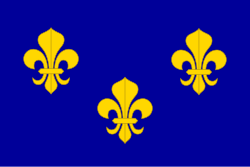
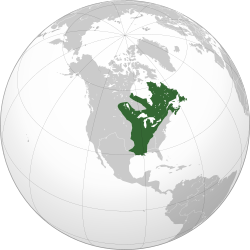
Established in 1682, French Louisiana functioned as an administrative district of New France. This massive territory stretched from the Gulf of Mexico northward to Vincennes in present-day Indiana, encompassing the future states of Arkansas, Illinois, Louisiana, and Missouri.
The region's political status shifted dramatically during the 18th century. Following the French and Indian War, France ceded the eastern portion of the territory to Britain and the western portion to Spain in 1763. However, France regained the western lands by treaty in 1800, only to sell them to the United States in 1803 through the historic Louisiana Purchase.
Modern French Louisiana: Cultural Landscapes
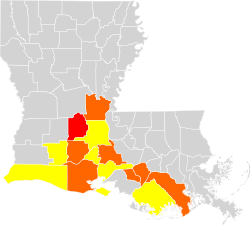
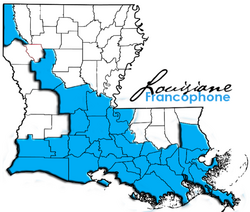
Today, French Louisiana refers to a roughly triangular region in the southern part of the state, with its apex below Alexandria and its base stretching from New Orleans to Lake Charles. This area is divided into two primary cultural zones separated by the Atchafalaya Swamp.
Acadiana (Cajun Country)
Located west of the Atchafalaya Swamp in the coastal wetlands and southwest prairies, this region is the heart of Acadiana. It is dominated by the descendants of Acadians—known as Cajuns—along with French nationals and royalists. Centered around Lafayette, this area was historically known as "Teche Country" after Bayou Teche, the primary transportation route before the advent of roads.
While Cajun identity is a blend of various immigrant groups, the 20th century saw a shift toward an "Acadianized" identity emphasizing white ancestry, moving away from a more unified, multiracial Creole identity that existed in the early 1900s.
The Creole Heartland
East of the Atchafalaya Swamp, between Baton Rouge and New Orleans, lies a more cosmopolitan region. This area was heavily influenced by Spanish, German, and American settlers, as well as refugees from the West Indies, particularly Haiti. The New Orleans metropolitan area serves as the center of Louisiana Creole heritage, blending Afro-French traditions with Catholic influences.
Language and the Struggle for Survival
The linguistic landscape of the region is defined by two distinct tongues: Louisiana French and Kouri-Vini (Louisiana Creole). Kouri-Vini is an independent language born from a mixture of colonial French vocabulary and African linguistic influences, primarily developed in sugarcane-growing areas.
Despite their richness, both languages are endangered. A 1921 state constitution mandated English as the sole language of public instruction, leading to the systemic discrimination and punishment of French and Creole speakers. This accelerated a steep decline; from approximately 1 million speakers in the late 1960s, estimates dropped to about 100,000 by 2013. Kouri-Vini speakers are even fewer, numbering far less than 10,000.
Efforts Toward Revitalization
A modern movement to save these languages is underway. As of 2020, 34 immersion programs across 14 parishes enrolled over 5,000 students. New media outlets like the digital newspaper Le Louisianais and the television channel Télé-Louisiane are promoting the language, while the state has become an observer member of the Organisation Internationale de la Francophonie (OIF).
Cultural Heritage: Architecture, Cuisine, and Music
Architectural Preservation
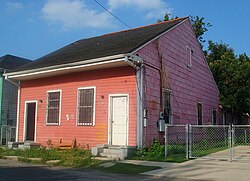
The architectural legacy of French Louisiana is most visible in the Vieux Carré (French Quarter) of New Orleans. The Vieux Carré Commission, established in 1936, enforces strict guidelines to preserve historical features like the Creole Cottage and Creole Townhouse, which reflect a blend of French, Spanish, and Caribbean styles.
A Fusion of Flavors
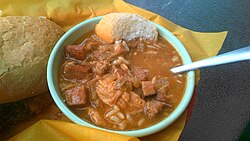
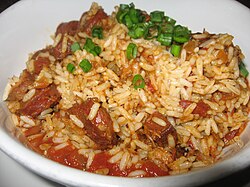
Louisiana cuisine is a product of ethnic fusion between French, Acadian, African, and Spanish cultures. This has resulted in two primary styles: Cajun (often viewed as "country food" from the prairies and bayous) and Creole (often viewed as "city food" from New Orleans). Despite these distinctions, both share iconic dishes such as Gumbo and Jambalaya.
The Sound of the Bayou
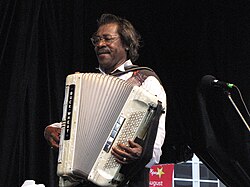
The music of the region is a vibrant mix of African, French folk, Caribbean, and Spanish origins. Zydeco, emerging from Black Creole dance music in rural areas, utilizes the accordion and fiddle to express themes of poverty and resilience. Meanwhile, Cajun music remains a staple of community house dances (bals de maison).
From the historic gatherings at Congo Square in New Orleans to the Grammy-winning success of artists like Clifton Chenier and Queen Ida, this music has influenced global genres including R&B, Rock and Roll, and Country music.

| Feature | Cajun (Acadiana) | Creole (New Orleans/River Parishes) |
|---|---|---|
| Primary Region | Southwest Louisiana (Lafayette) | Southeast Louisiana (New Orleans) |
| Cultural Roots | Acadian exiles from Canada | French, African, Spanish, Caribbean |
| Cuisine Style | Rural "Country" food | Cosmopolitan "City" food |
| Music Focus | Cajun folk, Fiddle/Accordion | Zydeco, Afro-French traditions |
Frequently Asked Questions
What is the difference between Cajun and Creole?
Cajuns are primarily descendants of Acadian settlers from Canada who settled in the rural prairies and bayous of southwest Louisiana. Creoles are a more cosmopolitan group with a diverse blend of French, African, Spanish, and Caribbean ancestry, historically centered in New Orleans and along the Mississippi River.
Is Kouri-Vini the same as Louisiana French?
No. Louisiana French is a variety of the French language. Kouri-Vini, also known as Louisiana Creole, is a distinct, independent language that blends French vocabulary with African linguistic influences.
Why did the French language decline in Louisiana?
The decline was accelerated by the 1921 state constitution, which prohibited French in public schools. Students were often punished for speaking it, and social pressure to adopt English as the high-status language led many families to stop passing French to their children.
What are some typical dishes of French Louisiana?
Common representative dishes found in both Cajun and Creole cooking include Gumbo, Jambalaya, Crawfish Bisque, and Pralines.
What is Zydeco music?
Zydeco is a form of French music created by Afro-French people in rural Louisiana. It is characterized by the use of the accordion and is intended for dancing, blending African rhythms with French folk influences.