Baton Rouge: The Vibrant Capital of Louisiana
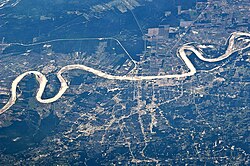
Located along the banks of the Mississippi River, Baton Rouge serves as the state capital of Louisiana and the parish seat of East Baton Rouge Parish. Its name, derived from the French bâton rouge, literally translates to "red stick." From its colonial origins to its current status as a hub of government, education, and industry, Baton Rouge blends a rich historical legacy with a dynamic modern economy.
The city is a consolidated city-parish, meaning the municipal and parish governments are merged under a single Mayor-President. With a diverse population and a strategic location, it acts as a critical gateway for shipping and commerce in the American South.
Key Facts
- Founded: 1699 (Settled in 1721).
- Role: State capital of Louisiana and seat of East Baton Rouge Parish.
- Population: 227,470 (City-Parish, 2020 Census).
- Geography: Total area of approximately 79.15 square miles.
- Economy: Major industrial presence including oil refineries and the Port of Greater Baton Rouge.
- Education: Home to Louisiana State University (LSU) and Southern University.
History and Evolution
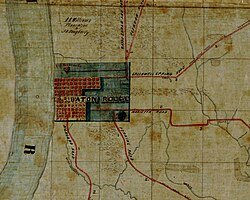
Baton Rouge was founded in 1699 and settled in 1721 during the French colonial era. It was officially incorporated on January 16, 1817. Over the centuries, the city evolved from a colonial outpost into a political powerhouse, eventually becoming the seat of Louisiana's state government.
The city's growth has been marked by its relationship with the Mississippi River, which provided the necessary infrastructure for trade and transport. This growth is reflected in its demographic shifts, moving from a small settlement in the early 19th century to a metropolitan area with a population of nearly 900,000 in its broader metro region.
Geography and Climate

Baton Rouge is situated at an elevation of 46 feet. The city covers roughly 79.15 square miles, with the vast majority being land, while about 2.81% consists of water bodies.
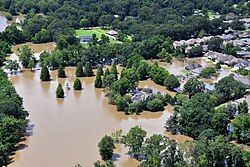
The region experiences a humid subtropical climate. Summers are typically hot and humid, with mean maximum temperatures reaching 97.5°F in August. Winters are mild, though the city can experience occasional cold snaps. Precipitation is significant throughout the year, totaling an average of 61.94 inches annually, with June and August being the wettest months.
Demographics and Society
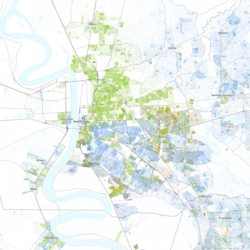
As of the 2020 Census, the consolidated city-parish population stood at 227,470. The city is characterized by a diverse racial and ethnic composition. Black or African American residents make up the largest group at 53.55%, followed by White residents at 34.22%. The Hispanic or Latino population has seen steady growth, reaching 5.94% by 2020.
Religion and Culture
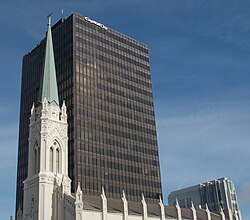
The city maintains a strong spiritual heritage, exemplified by the St. Joseph Cathedral, the see of the Roman Catholic Diocese of Baton Rouge. The community is also home to various other denominations and faiths, including Presbyterian and Islamic institutions.
Economy and Infrastructure
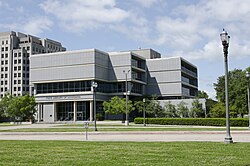
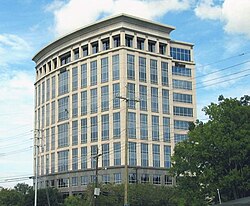
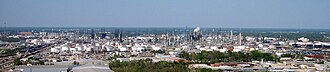
Baton Rouge possesses a robust economy driven by government, education, and heavy industry. The city is a major center for the petrochemical industry, featuring massive facilities such as the ExxonMobil oil refinery.
Transportation and Logistics
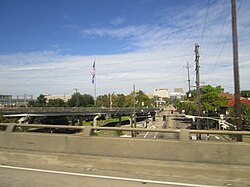
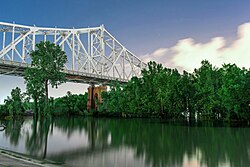
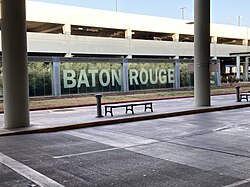
The city is a vital transportation node. Major arteries include Interstate 10 and the Horace Wilkinson Bridge, which facilitates movement across the Mississippi River. The Baton Rouge Metropolitan Airport serves as the primary air hub, while the Port of Greater Baton Rouge handles significant shipping traffic.

Culture, Arts, and Education
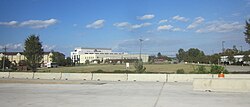
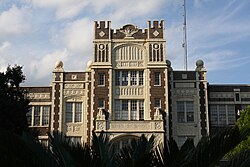
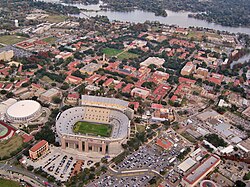
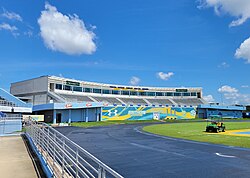
Baton Rouge is a center for higher learning, most notably hosting Louisiana State University (LSU) and Southern University. These institutions contribute significantly to the city's intellectual and athletic culture, with LSU's Tiger Stadium being a world-renowned landmark.
Arts and Tourism
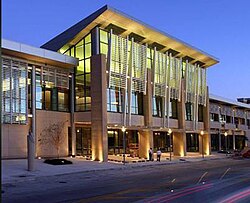
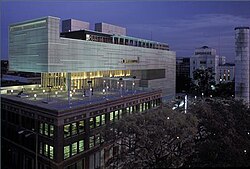
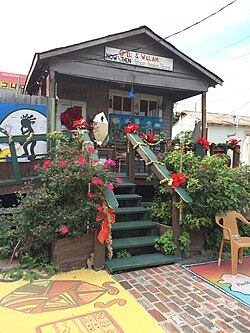
The city offers a variety of cultural attractions, including the Shaw Center for the Arts and the Now And Then African-American Museum. For history enthusiasts, the USS Kidd—a destroyer museum part of the Louisiana Naval Museum—is a prominent downtown attraction.

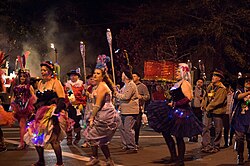
The city also hosts vibrant community events, such as the Southdowns Mardi Gras parade, and has a history of hosting the Miss USA pageants.

City Overview Summary
| Category | Detail |
|---|---|
| Government | Consolidated City-Parish (Mayor-President) |
| Population (2020) | 227,470 |
| Land Area | 86.32 sq mi |
| Annual Precipitation | 61.94 inches |
| Major Industries | Government, Petrochemicals, Education |
| Key Landmarks | Louisiana State Capitol, LSU, USS Kidd |
Frequently Asked Questions
What does the name "Baton Rouge" mean?
The name comes from the French words bâton rouge, which means "red stick."
What is the government structure of Baton Rouge?
Baton Rouge operates as a consolidated city-parish, meaning the city and East Baton Rouge Parish share a single government led by a Mayor-President.
Which major universities are located in Baton Rouge?
The city is home to Louisiana State University (LSU) and Southern University.
What are the primary economic drivers of the city?
The economy is primarily driven by the state government, higher education, and the petrochemical industry, including major oil refineries and the Port of Greater Baton Rouge.
What is the climate like in Baton Rouge?
Baton Rouge has a humid subtropical climate characterized by hot, humid summers and mild winters, with high annual rainfall averaging nearly 62 inches.