General Aviation: Commercial Operations, Private Flying, and Air Sports
General aviation (GA) encompasses a vast array of aviation activities outside of scheduled commercial airlines. From the quiet glide of a sailplane to the roar of an ex-military jet, the GA sector operates a diverse fleet including balloons, airships, gliders, hang gliders, paragliders, microlights, gyrocopters, and helicopters. These flights are generally categorized into three main streams: public transport, aerial work, and private flying, with the first two serving as commercial ventures.
Key Facts
- Commercial GA includes corporate transport and specialized aerial work like crop spraying and emergency services.
- Flight Training is a critical pipeline for the airline industry, with some estimates suggesting 70–80% of new pilots originate from the GA sector.
- Cost Variance: Hourly flight costs vary significantly, from approximately £35 for microlights to £133 for traditional light aircraft.
- Competitive Sports: The UK maintains a strong presence in international gliding, aerobatics, and parachute competitions.
- Historic Aviation: Roughly two-thirds of the 500 registered historic aircraft in the UK remain active.
Commercial Operations in General Aviation
Commercial GA involves various remunerated activities. Corporate aviation utilizes company-owned business jets, helicopters, and twin piston-engine aircraft (typically seating six to ten people) to transport clients and employees. A prime example of high-volume commercial GA is the transport of spectators to the British Formula One grand prix at Silverstone; during race day, the heliport becomes one of the busiest airports in the world.
Beyond transport, aerial work provides essential non-transport services. This includes specialized tasks such as land surveying, crop spraying, and emergency services, including police aviation and air ambulances.
The Role of Flying Schools
Flying schools operate as commercial businesses that train pilots for both recreational and professional careers. These schools rely heavily on fixed-wing light aircraft, which are used for both instruction and as rental aircraft for qualified pilots.
The GA community views these schools as vital to the airline industry's pilot supply. The General Aviation Awareness Council claims that 60–70% of professional pilots self-financed their training at GA schools. While the CAA noted that the number of unsponsored professional trainees rose from 48% in 1996 to 59% in 2006, some argue that the UK's reliance on GA is mitigated by the ability to train pilots abroad.
Private Flying and Recreational Aviation
Private flying serves as both a hobby and a means of personal transport. Aircraft may be owned individually, shared via a syndicate, or rented from a club. Most recreational flights are local, with half of all flights landing at their departure aerodrome and only 9% involving an overnight stay.
Traditional private flying often utilizes factory-produced single piston-engine aircraft like the Cessna 152, Cessna 172, and Piper PA28 Cherokee, or modern designs from Cirrus. However, there is a growing trend toward more affordable options, including microlights and smaller helicopters like the Robinson R22 and R44.
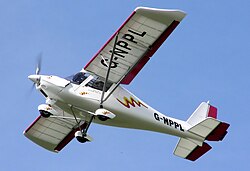
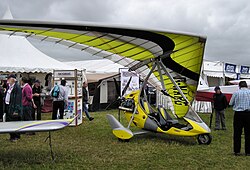
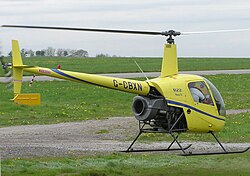
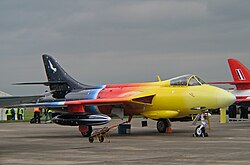
Amateur-built aircraft, such as the Europa and Van's Aircraft RV-4, also represent a growth area. Additionally, the UK has a vibrant vintage aircraft movement. This includes historic civil and military planes, such as the 1930s de Havilland Dragon Rapide and the WWII Spitfire, as well as post-war jets like the Hawker Hunter.
Comparison of Hourly Flight Costs
| Aircraft Type | Estimated Cost per Hour |
|---|---|
| Traditional Light Aircraft | £133 |
| Gliders | £77 |
| Microlights | £35 |
Air Sports and Competitive Flying
Competitive aviation in the UK is diverse, spanning gliding, air racing, aerobatics, and parachuting.
Competitive Gliding
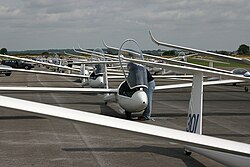
Gliding competitions run from May to September, starting with regional races. Pilots can progress to the nationals, which feature five performance-based classes: Club, Standard (max 15m wingspan, no flaps), 15-metre (flaps permitted), 18-metre, and Open-class. The UK has seen significant international success, including a number one world ranking for the British gliding team in 2007.
Air Racing and Aerobatics
Handicapped air racing is open to any propeller aircraft maintaining at least 100 mph. These races involve 4–5 laps around a 20–25 mile circuit, with slower aircraft starting first to create a simultaneous finish. Prestigious prizes include the King's Cup and the Schneider Trophy.
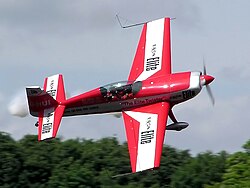
Aerobatic competitions for powered aircraft and gliders range from Beginner to Unlimited classes. As pilots advance through Standard, Sports, Intermediate, and Advanced levels, they must master a wider repertoire of complex figures.
Parachuting Disciplines
Parachute competitions occur at all levels, from club to international. Key disciplines include accuracy landings, freefall gymnastics, formation skydiving, canopy formation, freestyle, freeflying, and skysurfing. British teams are particularly successful in canopy formation and women's 4-way formation skydiving.
Frequently Asked Questions
What is the difference between corporate aviation and aerial work?
Corporate aviation focuses on the transport of people, such as employees and clients using business jets or helicopters. Aerial work refers to remunerated non-transport activities, such as crop spraying, surveying, and emergency services.
How do flight schools contribute to the commercial airline industry?
Flight schools provide the foundational training for a large portion of professional pilots. Some estimates suggest that 70–80% of new pilots enter the industry via the GA sector, often self-financing their initial training.
What are the different classes of competitive gliding?
Gliding competitions are divided into five classes based on performance: Club, Standard (max 15m wingspan, no flaps), 15-metre (flaps allowed), 18-metre, and Open-class (no restrictions).
How does handicapped air racing work?
In handicapped racing, aircraft are started at different times based on their speed. Slower aircraft start first, and faster aircraft start later, so that all competitors ideally cross the finish line at the same time.
What types of aircraft are common in private flying?
Common aircraft include traditional single-engine planes (like the Cessna 172), microlights, small helicopters (like the Robinson R22), amateur-built aircraft, and historic vintage planes.