Aircraft Pilots: Roles, Training, and the Future of Aviation
An aircraft pilot, also known as an aviator, is the individual responsible for controlling an aircraft's flight by operating its directional controls. While the pilot is the primary operator, the term aviator also extends to other aircrew members, such as flight engineers and navigators, who assist with engine systems and navigation. However, roles such as flight attendants, ground crew, mechanics, and drone operators are not classified as aviators.
To honor their qualifications and the immense responsibility they carry, many airlines and military organizations award aviator badges to their certified pilots.
Key Facts
- Terminology: The word "aviator" comes from the Latin avis (bird) and was first used in 1887.
- Certification: Pilots must obtain a license, starting with a Private Pilot License (PPL) before advancing to Commercial (CPL) or Airline Transport (ATPL) levels.
- Demand: Boeing projected a need for 790,000 new pilots over 20 years starting from 2018.
- Military vs. Civilian: Military pilots undergo specialized training involving weapons and combat operations, which differs significantly from civilian flight syllabi.
- Automation: The industry is exploring single-pilot cockpits and autonomous freighters to reduce costs and address pilot shortages.
The Evolution of Aviation
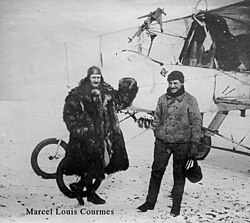
The concept of the aviator emerged in the late 19th century. In the early days of flight, the term connoted bravery and adventure. For instance, a 1905 reference to the Wright brothers' first airplane noted the total weight, including the "body of the aviator," was just over 700 pounds.
As aviation grew, the need for safety and operational control led to the creation of certification bodies. The Aéro-Club de France issued the first certificate to Louis Blériot in 1908, followed by the British Royal Aero Club in 1910 and the Aero Club of America in 1911.
Civilian and Commercial Piloting
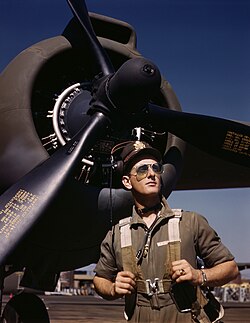
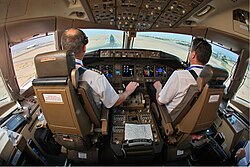
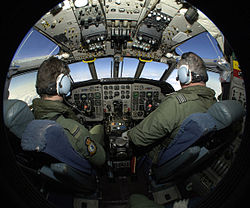
Civilian pilots operate aircraft for a wide variety of purposes, including private pleasure, charity, corporate business, agriculture (such as crop dusting), law enforcement, and forest fire control. Those flying for scheduled passenger or cargo carriers are known as airline pilots, with the pilot in command designated as the captain.
Global Demand and Market Trends
The aviation industry has faced significant fluctuations in pilot availability. In 2017, there were approximately 290,000 airline pilots worldwide. CAE Inc. forecasted a need for 255,000 new pilots by 2027 to account for growth and retirements, with the highest demand in the Asia-Pacific region.
Boeing's long-term outlook from 2018 predicted a need for 790,000 new pilots over two decades, split between commercial aviation (635,000), business aviation (96,000), and helicopters (59,000). This demand has occasionally led to "poaching," where airline carriers recruit experienced pilots away from corporate aviation with high salaries and seniority.
Military Aviation and Specialized Flight
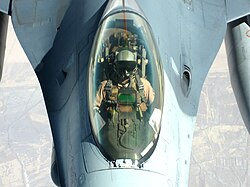
Military pilots operate under the armed forces, focusing on combat and non-combat missions. Their training is distinct from civilian paths, as it includes weapons systems and different chains of responsibility. This includes roles such as fighter, bomber, transport, and test pilots, as well as astronauts.
Historically, military innovation drove aviation progress. France created the world's first bombing group on November 23, 1914, using Voisin III aircraft. Early bombing was rudimentary, with crews simply throwing bombs overboard with limited accuracy.
Spaceflight and UAVs
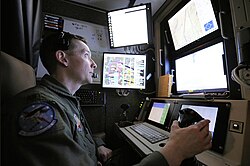
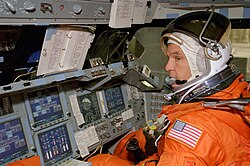
The role of a pilot extends into space, where an astronaut directly controls the spacecraft. Similarly, Unmanned Aerial Vehicles (UAVs), or drones, are operated by pilots or operators. These are split into autonomous aircraft and remotely piloted UAVs. While UAV operators may require training, they generally do not follow the same licensing requirements as manned aircraft pilots.
The Impact of Automation
The rise of automation poses a potential shift in the profession. Industry leaders and financial firms like UBS have suggested that pilotless airliners could be technically feasible by 2025, potentially saving billions in pilot and training costs. However, this transition faces hurdles:
- Consumer Acceptance: Surveys indicate a significant portion of the public remains defiant toward pilotless flights.
- Technical Certification: Experts from Onera and Thales argue that current AI (neural networks) cannot be easily certified for safe transport because their operations are not "explainable."
- Safety Concerns: Organizations like the Air Line Pilots Association oppose the removal of pilots, citing threats to aviation safety.
Pilot Certification and Training
Becoming a pilot requires extensive theoretical study and flight hours. While requirements vary by country, the general progression is as follows:
| Certification Level | Primary Purpose | Key Requirement/Detail |
|---|---|---|
| Private Pilot License (PPL) | Private/Recreational flight | 35-40 hours of flight training |
| Light Sport Aircraft (LSA) | Limited recreational flight | Minimum 20 hours of flight time |
| Commercial Pilot License (CPL) | Professional flying for hire | Prerequisite: PPL |
| Airline Transport Pilot License (ATPL) | Captain/First Officer of airliners | Highest level of certification |
Frequently Asked Questions
What is the difference between a pilot and an aviator?
While often used interchangeably, a pilot specifically operates the aircraft's controls. An aviator is a broader term that includes pilots as well as other essential aircrew like navigators and flight engineers.
Do airline pilots have a shorter life expectancy?
This is a subject of debate. Some studies from the 1990s and a Boeing refutation suggest no such link, while a 1992 study found evidence of higher mortality. Conversely, a 1978 study of military pilots suggested increased longevity due to socioeconomic factors and fitness.
What is the mandatory retirement age for U.S. airline pilots?
Commercial airline pilots in the United States have a mandatory retirement age of 65, which was increased from 60 in 2007.
Can drones be operated by pilots?
Yes, remotely piloted UAVs are operated by individuals referred to as pilots or operators. Depending on the use, they may require specific training, though they typically do not need the same licenses as manned aircraft pilots.
Will AI completely replace pilots?
While some predict pilotless freighters or single-pilot cockpits in the near future, full replacement is hindered by regulatory challenges, the need for "explainable" AI for safety certification, and passenger reluctance.