F-111 Aardvark: The Versatile Powerhouse of Cold War Aviation
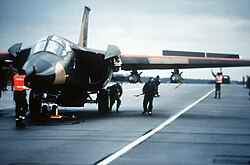
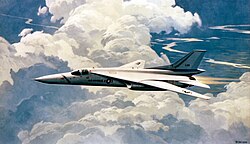
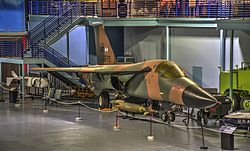
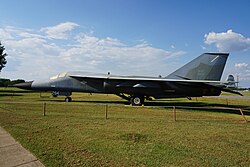
The F-111 Aardvark stands as one of the most ambitious aircraft designs of the 20th century. Developed by General Dynamics, this multi-role powerhouse served as an attack aircraft, strategic bomber, reconnaissance platform, and electronic warfare specialist. Known for its striking silhouette and cutting-edge technology, the Aardvark bridged the gap between traditional fighter jets and heavy bombers.
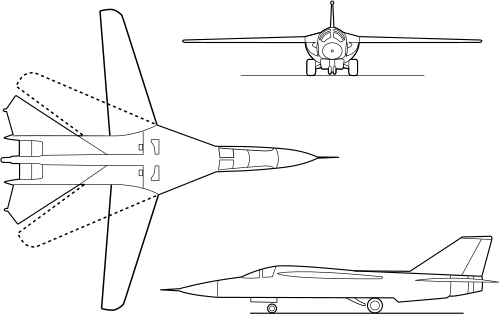
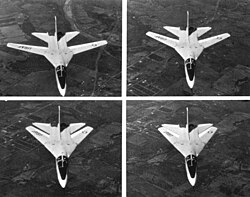
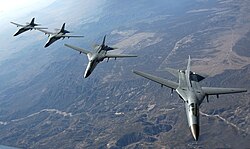
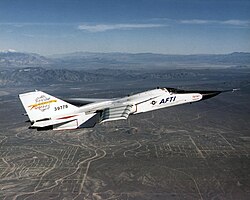
At the heart of its design was the variable-sweep wing, allowing the aircraft to optimize its performance for both high-speed intercepts and low-speed stability. This flexibility made it a formidable asset for the United States Air Force (USAF) and the Royal Australian Air Force (RAAF) for decades.
Key Facts
- Manufacturer: General Dynamics
- Total Built: 563 aircraft (including 76 FB-111 strategic bombers)
- Top Speed: Mach 2.5 at altitude
- Primary Roles: Attack, Strategic Bombing, Reconnaissance, and Electronic Warfare
- Operational Lifespan: Introduced July 18, 1967; retired by USAF in 1998 and RAAF in 2010
- Unique Feature: Variable-sweep wings and a crew escape capsule
Design and Technical Innovation
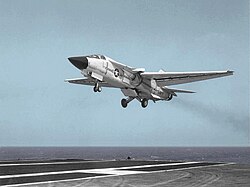
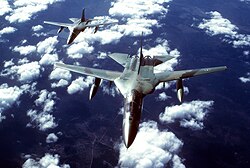
The F-111 was designed to handle a diverse array of missions. One of its most defining characteristics was the variable-sweep wing, which could transition from a spread position for takeoff and landing to a swept position for high-speed flight.
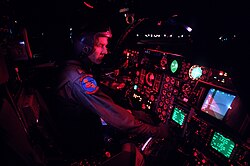
Inside the cockpit, the F-111 adopted a side-by-side seating arrangement, enhancing communication and workload sharing between the pilot and the navigator.
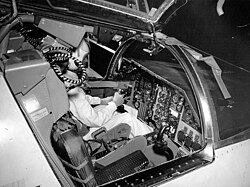
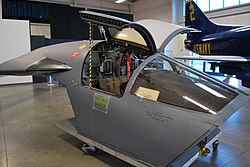
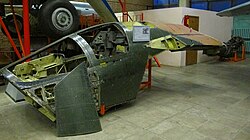
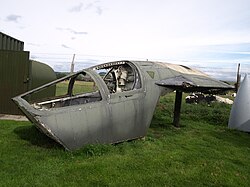
For safety, the aircraft featured a unique escape capsule. Rather than traditional ejection seats, the entire cockpit section could be launched away from the airframe during an emergency to protect the crew.
Performance Specifications (F-111F)
The F-111F, often called the "Cadillac" of the fleet, represented the pinnacle of the Aardvark's evolution. It featured the powerful TF30-P-100 engines and a strengthened wing carry-through box to handle increased stresses.
| Feature | Specification |
|---|---|
| Maximum Speed | Mach 2.5 (1,650 mph) |
| Service Ceiling | 66,000 ft |
| Maximum Takeoff Weight | 100,000 lb |
| Range | 3,210 nmi |
| Crew | 2 (Side-by-side) |
Armament and Payload
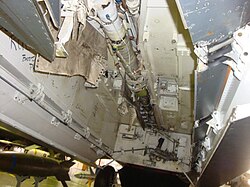
The F-111 was designed for devastating precision and power. It featured an internal weapons bay, which in the FB-111 variant could house two AGM-69 SRAM thermonuclear air-to-surface missiles.
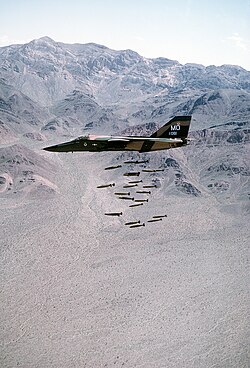
Beyond its internal bay, the aircraft could carry a massive external payload. This included a variety of ordnance such as the BLU-109 hardened penetration bomb, the BLU-107 Durandal runway-cratering bomb, and GBU-15 electro-optical bombs.
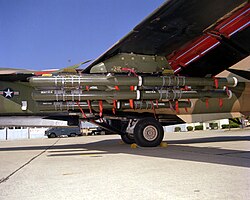
While it was occasionally fitted with a 20 mm M61A1 Vulcan Gatling cannon, its primary strength lay in its ability to deliver heavy bomb loads over long distances with high accuracy.
Operational History and Variants
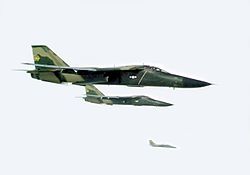
The F-111 saw extensive service across the globe. In the United States, the 347th Tactical Fighter Wing operated the aircraft during the Mayaguez incident in 1975 and conducted missions in Cambodia until 1973.
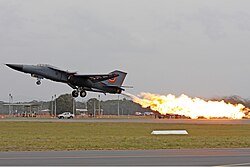
The Royal Australian Air Force operated the F-111C, which became a cornerstone of Australian air power until its retirement in 2010. Australian crews were well-known for the "dump-and-burn" maneuver, where fuel was intentionally ignited using the afterburners for visual effect.
Major Variants
- F-111A: The initial production model used for training and tactical strikes.
- FB-111A: A strategic bomber version used by the Strategic Air Command.
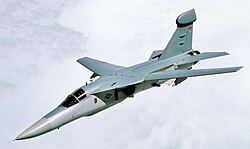
- EF-111A Raven: A specialized electronic warfare aircraft designed to jam enemy radar.
- F-111F: The final tactical variant with upgraded avionics and engines.
Frequently Asked Questions
What was the purpose of the F-111's variable-sweep wings?
The variable-sweep wings allowed the aircraft to change its wing geometry in flight. Spread wings provided high lift for takeoff, landing, and loitering, while swept wings reduced drag for high-speed, supersonic flight.
How did the F-111's escape system differ from other jets?
Unlike most aircraft that use individual ejection seats, the F-111 utilized a crew escape capsule. In an emergency, the entire cockpit module would separate from the aircraft and parachute to the ground.
What was the EF-111A Raven?
The EF-111A Raven was a specialized variant of the Aardvark dedicated to electronic warfare. Its primary role was to disrupt and jam enemy radar and communications to protect strike packages.
Which countries operated the F-111?
The F-111 was primarily operated by the United States Air Force (USAF) and the Royal Australian Air Force (RAAF).
What is a "dump-and-burn"?
A "dump-and-burn" is a dramatic procedure performed primarily by the RAAF, where the aircraft dumps fuel from its tanks and immediately ignites it using the afterburners, creating a massive trail of fire.