Edwards Air Force Base: The Historic Heart of Aerospace Flight Testing
Located near Lancaster, California, Edwards Air Force Base stands as one of the most significant landmarks in the history of aviation and space exploration. Since its inception, this facility has served as the premier proving ground for the world's most advanced aircraft and aerospace technologies. From the early days of propeller-driven combat aircraft to the cutting-edge stealth fighters and unmanned systems of today, Edwards has been the stage where the future of flight is written.
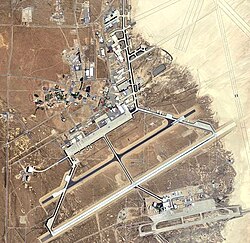
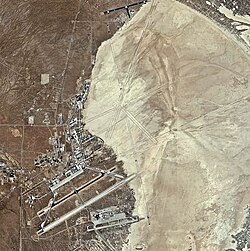
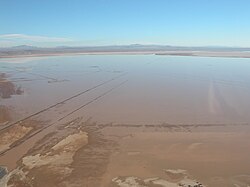
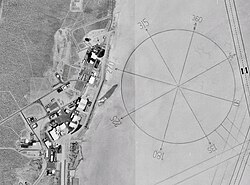
The base's unique geography, characterized by the vast expanse of the Rogers Dry Lake, provides an unparalleled environment for testing. The hard, flat lakebed offers massive runways that allow for the safe operation and testing of experimental aircraft that might otherwise require much longer landing strips.
Key Facts
- Established: 1933 as Muroc Bombing and Gunnery Range.
- Primary Function: Flight testing and aerospace research.
- Major Operator: United States Air Force (Air Force Materiel Command).
- Key Feature: Rogers Dry Lake, providing extensive landing surfaces.
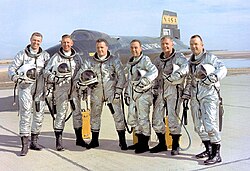
- Notable Residents: NASA Armstrong Flight Research Center and the USAF Test Pilot School.
A Legacy of Evolution: From Muroc to Edwards
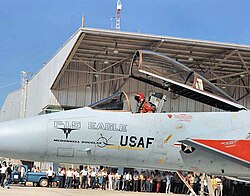
The history of the installation began in 1933 when it was established as the Muroc Bombing and Gunnery Range. During World War II, it served as a vital training and operational site, undergoing several name changes including Muroc Army Airfield. Following the establishment of the United States Air Force as a separate service, the site was re-designated as Muroc Air Force Base in 1948.
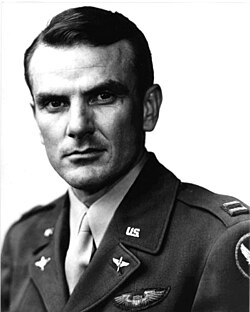
The base was eventually renamed in honor of Captain Glen Edwards, a distinguished USAAF veteran and test pilot. His contributions to aviation testing left an indelible mark on the facility's identity.
The Cold War and the Flight Test Era
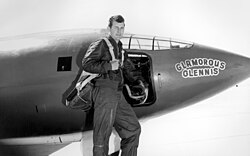
As the Cold War intensified, the mission of the base shifted toward advanced research and development. In 1951, jurisdiction was transferred to the newly created Air Research and Development Command, and the Air Force Flight Test Center (AFFTC) was activated. This era saw the base become the epicenter for breaking speed records and testing the limits of human and machine capability.
Pioneering Flight Testing and Research
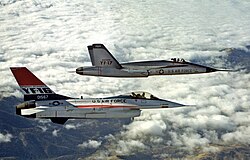
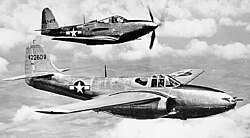
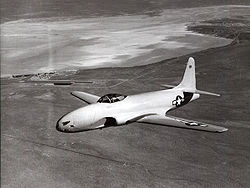
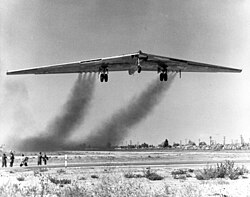
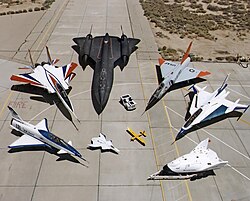
Edwards has been the site of countless "firsts." It has hosted the development of legendary aircraft, including the Lockheed XP-80A "Gray Ghost" and the Northrop YB-49 flying wing. The base has also been instrumental in the development of supersonic flight and rocket-powered research.
Ground Research and High-Speed Testing
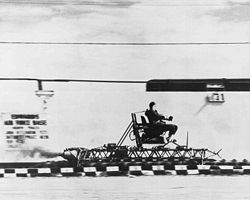
Beyond the skies, Edwards has facilitated critical ground-based research. This includes high-speed rocket sled testing to study the effects of extreme acceleration on the human body, a field pioneered by figures like Lt. Col. John Stapp.
Space Shuttle and Beyond
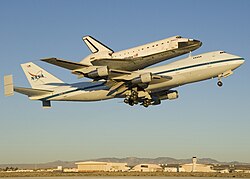
The base's role extended into the space age, providing essential support for the Space Shuttle program. The vast lakebed allowed for the landing and transport of shuttle components, including the iconic sight of the Shuttle Endeavour being carried by a Shuttle Carrier Aircraft.
Modern Operations and Advanced Platforms
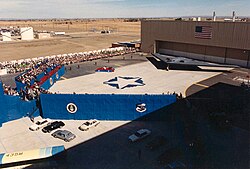
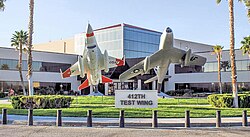
Today, Edwards Air Force Base remains at the forefront of military technology. The 412th Test Wing manages a diverse array of flight test squadrons responsible for testing everything from the F-22 Raptor and F-35 Lightning II to heavy transport aircraft like the C-17A Globemaster III and unmanned systems like the RQ-4 Global Hawk.
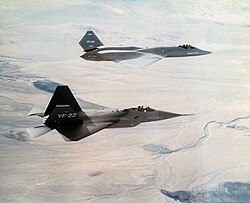
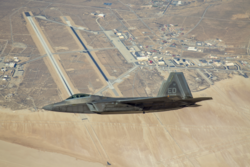
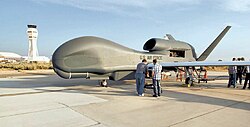
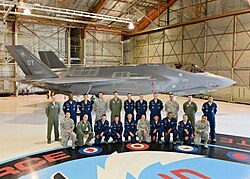
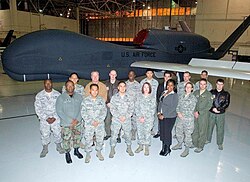
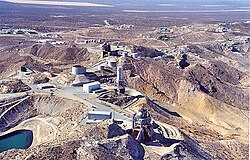
The base also hosts significant research facilities, such as the Air Force Rocket Research Laboratory and the NASA Armstrong Flight Research Center, ensuring that the next generation of aerospace technology is rigorously vetted before deployment.
Infrastructure and Facilities
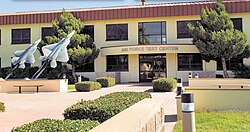
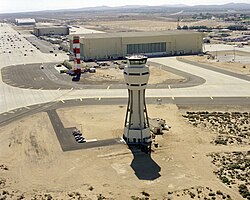
The base is a massive complex featuring specialized infrastructure. This includes multiple paved runways and numerous official runways located on the Rogers lakebed, some stretching over 29,000 feet. The facility also includes dedicated headquarters buildings for the Air Force Test Center and the 412th Test Wing.
The unique environment of the Mojave Desert means the lakebed is not always dry; during the brief rainy season, water can fill the lakebed, creating a different set of operational conditions.
Summary of Airfield Information
| Runway Identifier | Length (Feet) | Surface Type |
|---|---|---|
| 05R/23L | 15,024 | Concrete |
| 05L/23R | 12,000 | Concrete |
| 07/25 (South Base) | 8,000 | Concrete |
| 06/24 | 5,998 | Asphalt |
Frequently Asked Questions
What is the primary purpose of Edwards Air Force Base?
The primary purpose is the flight testing and evaluation of military aircraft, weapons systems, and aerospace technologies for the United States Air Force and other partner organizations.
Why is the Rogers Dry Lake important to the base?
The lakebed provides an enormous, flat surface that acts as an extended runway, which is essential for testing experimental aircraft and providing safe landing options for aircraft experiencing technical issues.
Who operates Edwards Air Force Base?
The base is owned by the Department of Defense and operated by the United States Air Force under the Air Force Materiel Command.
Does NASA have a presence at Edwards?
Yes, the NASA Armstrong Flight Research Center is located at Edwards Air Force Base, collaborating on various aerospace research and flight testing missions.
What is the significance of the 412th Test Wing?
The 412th Test Wing is the host wing at Edwards, responsible for managing the various flight test squadrons that evaluate a wide range of aircraft, from fighters like the F-16 to unmanned systems like the RQ-4.