Gastropods: The Diverse World of Snails and Slugs
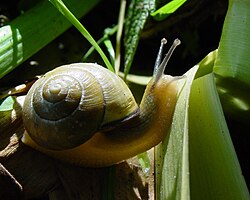
Gastropods are a vast and highly adaptable group of invertebrates belonging to the phylum Mollusca. Commonly known as snails and slugs, these animals are defined by their remarkable diversity in form and habitat. With an estimated 65,000 to 80,000 living species, they represent the second-largest animal class on Earth, surpassed only by insects.
From the depths of the ocean to the damp floors of tropical rainforests, gastropods have successfully colonized nearly every environment. Their evolutionary history is equally impressive, with a fossil record that extends back to the Late Cambrian period.
Key Facts
- Species Count: Between 65,000 and 80,000 living species.
- Temporal Range: Present from the Late Cambrian to the present day.
- Classification: The second-largest animal class after insects.
- Diversity: Includes 721 recognized families (476 extant and 245 extinct).
- Habitats: Marine, freshwater, brackish, and terrestrial environments.
Diversity and Distribution
Gastropods possess the highest number of named species among all mollusks. While estimates vary, some sources suggest as many as 85,000 described species, including approximately 24,000 terrestrial varieties. The aquatic world is equally rich, with roughly 30,000 marine species and 5,000 freshwater and brackish species.
Interestingly, much of the deep-sea gastropod population remains a mystery; scientists estimate that only 0.0001% of the deep-sea floor has been biologically studied, suggesting many species have yet to be discovered.
Anatomy and Biological Characteristics
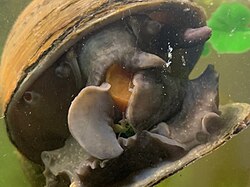
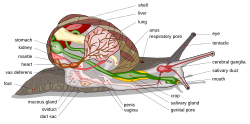
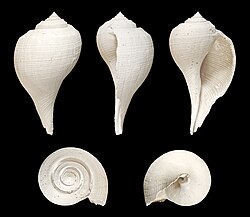
The anatomy of a gastropod varies significantly between clades, but several core features define the class. Most notably, many possess a shell, though some have evolved to lose it entirely, resulting in slugs.
Shell Structure and Chirality
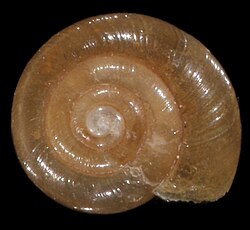
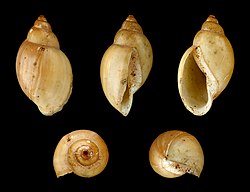
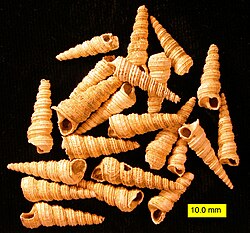
Gastropod shells often exhibit chirality, or the direction of coiling. Most shells are dextral (right-coiling), though some species are sinistral (left-coiling).
Sensory and Nervous Systems
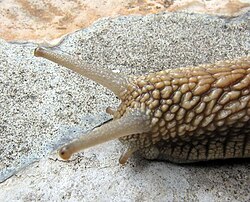
Gastropods rely heavily on chemical sensing. While some species have eye spots on their upper tentacles, their primary sensory organs are olfactory receptors located in the epithelium of the tentacles.
Life Cycle and Behavior
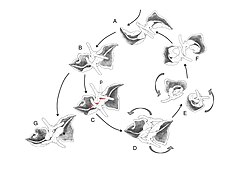
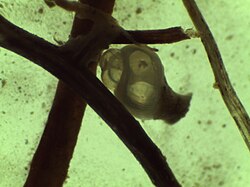
The life cycle of a gastropod typically begins with egg laying, followed by embryonic development. Depending on the species, they may pass through larval stages known as trochophore or veliger. Some gastropods also employ survival strategies such as estivation (dormancy during hot/dry periods) or hibernation (dormancy during cold periods).
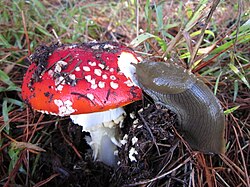
Feeding behaviors are diverse. Many are generalists, but some exhibit fungivory, the habit of feeding on fungi.
Geological History and Taxonomy
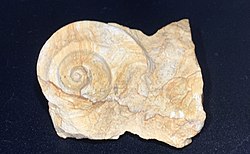
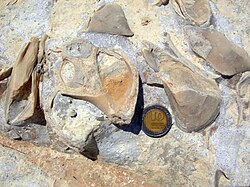
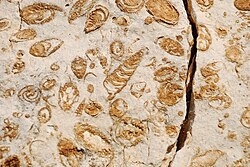
The fossil record provides a window into the ancient evolution of gastropods. From the Middle Ordovician to the Pliocene, these creatures have adapted their shell structures to survive changing environmental pressures.
Current Classification
Modern taxonomy divides Gastropoda into several subclasses to reflect their evolutionary relationships:
- Amphigastropoda (Extinct)
- Caenogastropoda
- Heterobranchia
- Neritimorpha
- Patellogastropoda
- Vetigastropoda
| Category | Details |
|---|---|
| Estimated Living Species | 65,000 – 80,000 |
| Recognized Families | 721 (476 extant, 245 extinct) |
| Temporal Range | Late Cambrian – Present |
| Primary Habitats | Marine, Freshwater, Terrestrial |
| Key Subclasses | Caenogastropoda, Heterobranchia, Vetigastropoda, etc. |
Frequently Asked Questions
How many species of gastropods are there?
It is estimated that there are between 65,000 and 80,000 living species, making them the second-largest animal class after insects.
What is the difference between dextral and sinistral shells?
This refers to the chirality, or coiling direction, of the shell. Dextral shells coil to the right, which is the most common form, while sinistral shells coil to the left.
Do all gastropods have shells?
No. While many gastropods are known for their shells (snails), others have evolved to have reduced or entirely absent shells, which are commonly known as slugs.
How do gastropods sense their environment?
While some have eye spots on their tentacles, their primary sensory tools are olfactory receptors located in the epithelium of their tentacles, which they use to smell and navigate.
When did gastropods first appear in the fossil record?
The fossil record of gastropods extends back to the Late Cambrian period.