Bivalvia: The Biology, Diversity, and Economic Impact of Bivalve Mollusks
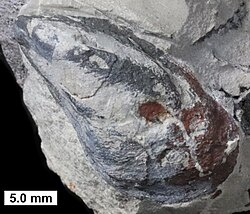
Bivalves are a diverse class of mollusks characterized by a compressed body enclosed within a shell consisting of two valves. Appearing in the fossil record as early as the Early Cambrian period—more than 500 million years ago—these organisms have evolved to occupy nearly every aquatic environment on Earth, from the deepest oceans to freshwater rivers.
Current scientific estimates suggest there are approximately 9,200 living species of bivalves, organized into 1,260 genera and 106 families. The vast majority are marine, including those in brackish and estuarine waters, while a smaller but significant number inhabit freshwater ecosystems.
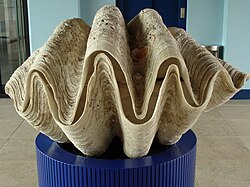
Key Facts
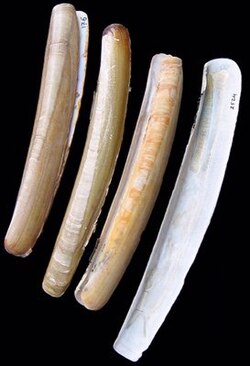
- Temporal Range: From the Early Cambrian to the present day.
- Species Diversity: Approximately 9,200 living species across 106 families.
- Primary Habitats: Marine, brackish, and freshwater environments.
- Major Families: Veneridae (680+ species), Tellinidae, Lucinidae, and Unionidae (freshwater).
- Economic Role: Massive global industry involving food production, pearl harvesting, and ecosystem services.
Anatomy and Biological Structure
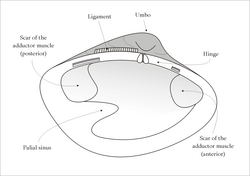
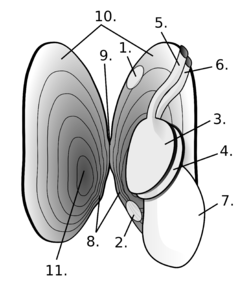
The defining feature of the class Bivalvia is the shell, which protects the soft internal organs. The shell is composed of two valves joined by a hinge and a ligament, which acts as a spring to open the valves when the adductor muscles relax.

Internal Systems
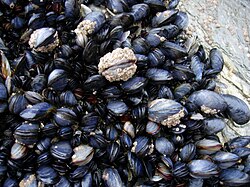
Bivalves utilize a specialized mantle—a layer of tissue that secretes the shell—and a complex system of gills. These gills serve a dual purpose: respiration and feeding. As filter feeders, bivalves pump water through their gills to trap organic particles and plankton.
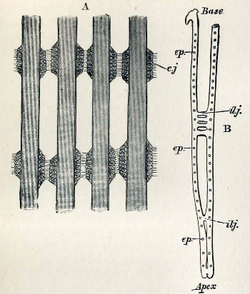
The anatomy of these creatures is highly specialized. For example, the freshwater pearl mussel exhibits a complex arrangement of siphons, a muscular foot for movement, and distinct gill demibranchs for efficient filtration.
Taxonomy and Evolutionary History
The classification of bivalves has evolved as scientists have moved from observing shell morphology to utilizing molecular analysis. A significant 2010 taxonomy published in Malacologia recognized 324 valid families, 214 of which are known only from fossils.
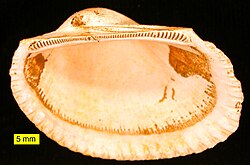
Historically, taxonomies were based on dentition (the arrangement of teeth on the hinge). For instance, Taxodonta refers to species with many teeth, while Heterodonta refers to those with different types of teeth.
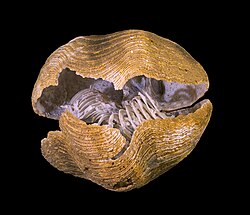
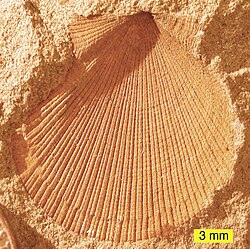
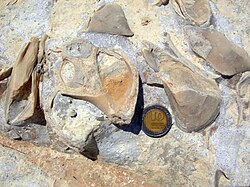
The evolutionary record shows a long history of adaptation, with fossils like the Jurassic brachiopod and various extinct scallops providing insight into how these organisms diversified over millions of years.
Mariculture and Economic Importance
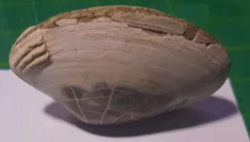
Bivalves are central to global aquaculture. Unlike many farmed fish, bivalves are grown using naturally occurring food in the sea or lagoons, making them highly sustainable. This process, known as mariculture, has seen explosive growth.
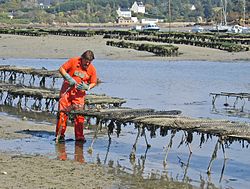
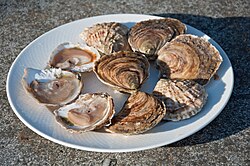
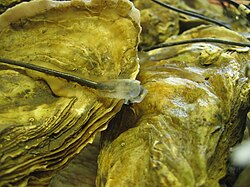
In 2010, global mariculture production of bivalve mollusks reached nearly 13 million tons. Oysters, mussels, and scallops represent the bulk of this production. For example, European flat oysters (Ostrea edulis) have been farmed since Roman times, using techniques that persist today.
Global Trade and Consumption
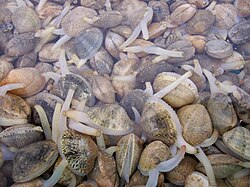
The trade of bivalves has expanded dramatically. In 1950, world trade was roughly 1 million tons; by 2010, this figure climbed to over 14.6 million tons. China, in particular, saw a 400-fold increase in consumption between 1970 and 1997.
Ecosystem Services and Other Uses
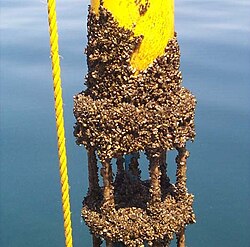
Beyond food, bivalves provide critical ecosystem services. Their filter-feeding nature allows them to extract excess nutrients from the water, which helps maintain water quality and prevents harmful algal blooms.
![Nutrient extraction services provided by bivalves. Blue mussels are used as examples but other bivalves like oysters can also provide these nutrient extraction services.[111]](/images/84/46/8446172a2da2cced29909fb292f29641e390ba617cde2f2f98ef4665de37b870.png)
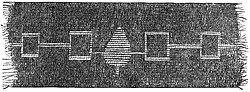
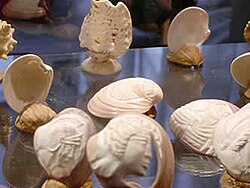
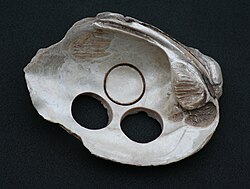
Additionally, bivalves have been used by humans for ornamental and practical purposes. The production of pearls and the use of nacre (mother-of-pearl) for carvings, buttons, and ceremonial items like wampum belts demonstrate their cultural value.
| Bivalve Group | 2000 Production (Tons) | 2010 Production (Tons) |
|---|---|---|
| Oysters | 3,610,867 | 4,488,544 |
| Clams, Cockles, Ark Shells | 2,354,730 | 4,885,179 |
| Mussels | 1,307,243 | 1,812,371 |
| Scallops | 1,047,884 | 1,727,105 |
| Total | 8,320,724 | 12,913,199 |
Frequently Asked Questions
![Economic value of bivalve nutrient extraction, linking processes to services to economic values.[111]](/images/e5/46/e54648cf5f7fee5fcc1eeac4a8f88d61e91111aa56698c5f00429c1524b6f403.png)

How do bivalves feed?
Bivalves are filter feeders. They use their gills to strain plankton and organic particles from the water as it is pumped through their bodies via siphons.
What is the difference between a bivalve and a brachiopod?
While both have two shells, they are biologically distinct. Bivalves are mollusks with shells that are generally left-right symmetrical, whereas brachiopods have a different internal anatomy and shell symmetry.
Why are bivalves considered sustainable for food?
They are highly sustainable because they do not require external feed; they rely entirely on the natural nutrients and plankton present in their aquatic environment.
What are the primary risks associated with eating bivalves?
Bivalves can accumulate toxins from the water, leading to conditions such as paralytic or amnesic shellfish poisoning, and can also carry viral or bacterial infections.
What is nacre?
Nacre, commonly known as mother-of-pearl, is the iridescent internal layer of the shell produced by the mantle, often used in jewelry and art.