French Blockade of the Río de la Plata
Between 1838 and 1840, the Argentine Confederation faced a significant geopolitical challenge when France imposed a naval blockade on the Río de la Plata. This strategic maneuver aimed to isolate Buenos Aires from global commerce, serving as a tool of diplomatic pressure during a period of intense regional instability. The conflict was not merely a bilateral dispute but was deeply intertwined with the War of the Confederation and the internal civil wars ravaging Argentina and Uruguay.
Key Facts
- Duration: March 28, 1838, to October 29, 1840.
- Primary Belligerents: The Argentine Confederation (supported by the Blancos) vs. France (supported by Unitarians and Colorados).
- Primary Objective: To pressure Juan Manuel de Rosas into granting commercial privileges and releasing French citizens.
- Outcome: Argentine victory, formalized by the Mackau-Arana treaty.
- Key Figure: Juan Manuel de Rosas, the leader of the Federales who resisted French demands.
The Origins of the Conflict
The blockade was rooted in a clash of political and economic ideologies. The Supreme Protector of the Peru–Bolivian Confederation, Andrés de Santa Cruz, and the Unitarians (supporters of a centralized government) favored free trade with Europe. In contrast, Juan Manuel de Rosas led the Federales, who advocated for provincial autonomy and a different approach to foreign relations.
Tensions peaked when the French consul, Aimé Roger, demanded the release of two French citizens—César Hipólito Bacle and Pedro Lavié—and requested that France be granted "most favoured nation" status. This designation would have provided France with commercial privileges similar to those held by Great Britain. Rosas, fearing that these concessions would open the door to further foreign interference in Argentina's internal affairs, refused. Consequently, Admiral Louis François Jean Leblanc initiated the blockade on March 28, 1838.
Strategic Maneuvers and National Unity
France underestimated the popularity of Rosas and the resilience of the Argentine people. Rather than triggering a popular uprising against the government, the foreign threat fostered a surge of patriotic loyalty. Even exiled Unitarians, such as Soler, Lamadrid, and Espinosa, returned to offer military aid. Notably, the legendary José de San Martín wrote from France to pledge his full support to Rosas, condemning those who allied with foreign powers against their own nation.
Rosas also skillfully navigated the interests of Great Britain. By highlighting how the blockade harmed British trade, he ensured that the British remained wary of France gaining too much territorial influence in the region. This prevented France from deploying ground troops, limiting their strategy to naval pressure and the support of regional proxies.
Internal Secession and Regional Alliances
As the blockade dragged on, France attempted to destabilize Rosas from within. Domingo Cullen, the governor of Santa Fe, proposed that several provinces—including Córdoba, Entre Ríos, and Corrientes—secede to form a new country under French influence. Simultaneously, France supported Fructuoso Rivera in the Uruguayan Civil War to create a "pincer movement" against Rosas.
These efforts largely failed. Juan Pablo López defeated Cullen, and the Peru–Bolivian Confederation collapsed following the Battle of Yungay, removing a key French ally. While France took control of the strategic Martín García island, the hoped-for internal collapse of the Argentine Confederation did not materialize.
The Role of Juan Lavalle and the Maza Conspiracy
With Rivera reluctant to launch a full-scale invasion, the French and Unitarians turned to Juan Lavalle to lead an attack on Buenos Aires. This military effort was meant to coincide with internal conspiracies. One such plot involved Ramón Maza, who planned to help Lavalle seize the city while the military assassinated Rosas.
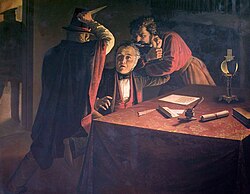
The conspiracy was uncovered by the Mazorca (Rosas's enforcement squad). The aftermath was brutal: Ramón Maza was executed, and his father, Manuel Vicente Maza, was killed in his office.
The Path to Peace
By 1839, the tide had turned. The British Parliament began criticizing French pretensions in the region, and the French government grew weary of a conflict that had no clear end. Admiral Leblanc was replaced by Admiral Dupotet, who was ordered to negotiate an honorable peace.
France eventually ceased its financial support for Juan Lavalle. Without funding or local support, Lavalle's army suffered heavy desertions. He was forced to retreat toward the north, where he eventually died in San Salvador de Jujuy without ever engaging in a decisive battle against Buenos Aires.
The hostilities officially ended with the signing of the Mackau-Arana treaty on October 29, 1840, which restored diplomatic relations and ended the blockade.
Summary of the Conflict
| Category | Details |
|---|---|
| Timeline | 1838 – 1840 |
| French Naval Force | Included ships such as Minerve, Expéditive, and Alerte |
| Key Argentine Leader | Juan Manuel de Rosas |
| Key French Admiral | Louis François Jean Leblanc (later Dupotet) |
| Final Agreement | Mackau-Arana Treaty |
| Primary Result | Argentine victory; restoration of naval commerce |
Frequently Asked Questions
Why did France impose the blockade?
France sought the release of two imprisoned citizens and the granting of "most favoured nation" status to secure commercial privileges in Argentina. It also aimed to support the Peru–Bolivian Confederation.
How did the blockade affect Argentine national unity?
Contrary to French expectations, the blockade increased patriotic loyalty to Juan Manuel de Rosas, leading even some of his political opponents (Unitarians) to support the government against foreign intervention.
What was the role of Great Britain in this conflict?
Britain opposed the blockade because it disrupted British trade. They also prevented France from landing ground troops to ensure no single European power gained territorial dominance in the Río de la Plata.
Who was Juan Lavalle and why was he involved?
Juan Lavalle was a military leader allied with the Unitarians and France. He attempted to lead an army against Rosas but failed due to a lack of popular support and the eventual withdrawal of French financial aid.
What was the outcome of the Mackau-Arana treaty?
The treaty ended the naval blockade and the state of hostilities between France and the Argentine Confederation, establishing a reciprocal "most favoured nation" status.