Fecal Sacs in Birds: Nature's Nest Cleaning System
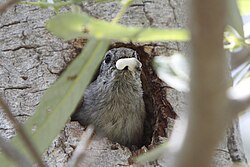
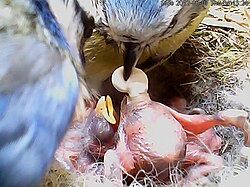
In the hidden world of avian nesting, parents employ a fascinating biological mechanism to keep their homes clean and their offspring safe. This mechanism is the fecal sac—a specialized mucous membrane that encapsulates the waste of nestling birds. Typically appearing as a white or clear membrane with a dark end, these sacs allow parent birds to remove waste from the nest efficiently without leaving messy residue behind.
The process is often immediate; nestlings typically produce a fecal sac within seconds of being fed. In cases where the young bird does not excrete naturally, the adult may prod the youngster's cloaca (the common cavity for digestive, urinary, and reproductive tracts) to stimulate the process.
How Birds Signal and Manage Waste
Different species have evolved unique behaviors to ensure these sacs are noticed and removed. Some young birds use specific physical cues to alert their parents that a sac is ready for disposal:
- Curve-billed thrashers: Nestlings raise their posteriors in the air.
- Cactus wrens: Young birds shake their bodies.
- Other species: Some nestlings simply deposit the sacs on the rim of the nest to make them highly visible to the parents.
Distribution and Disposal Methods
Fecal sacs are not universal across all bird species. They are most common among passerines (perching birds) and their close relatives. These birds typically have altricial young—offspring that are born blind, featherless, and entirely dependent on parental care for extended periods within the nest.
Once a sac is produced, parents handle it in one of two primary ways depending on the species and the age of the nestling:
- Consumption: In some species, parents eat the fecal sacs of small nestlings. This is more common among females, who often face higher nutritional stress than males. Even brood parasites, such as brown-headed cowbirds, have been observed swallowing the sacs of the host species' nestlings.
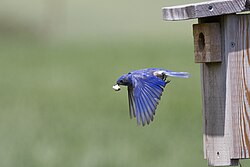
- Removal: As nestlings grow older, parents typically carry the sacs a significant distance away from the nest before discarding them.
The Biological Importance of Waste Removal
The removal of fecal material is not merely about tidiness; it is a critical survival strategy. Proper nest sanitation increases the likelihood that nestlings remain healthy by reducing the presence of bacteria. Furthermore, removing waste helps hide the nest from predators. Research on starlings indicates that bacteria in feces produce volatile chemicals that can attract predators and ectoparasites, such as flies from the genus Carnus.
Young birds generally stop producing these mucous membranes shortly before they fledge (leave the nest for the first time).
Scientific Applications of Fecal Sacs
For ornithologists and researchers, fecal sacs serve as valuable data sources. By analyzing the contents of a sac, scientists can determine the specific diet of a nestling or identify environmental contaminants the young bird has been exposed to. Additionally, observing an adult bird carrying a fecal sac is a reliable indicator used in bird censuses to confirm that a species is actively breeding in a given area.
Key Facts
- Definition: A mucous membrane surrounding nestling feces for easy removal.
- Primary Users: Most prevalent in passerines with altricial young.
- Sanitation: Reduces disease risk and prevents predators from smelling the nest.
- Nutrition: Some parents, particularly nutritionally stressed females, eat the sacs.
- Research Value: Used to analyze nestling diets, contaminants, and breeding status.
| Feature | Description |
|---|---|
| Appearance | White or clear membrane with a dark end |
| Common Species | Passerines and near relatives |
| Primary Purpose | Nest sanitation and predator avoidance |
| Disposal Methods | Ingestion by parents or removal from nest site |
| Duration | Produced from hatching until shortly before fledging |
Frequently Asked Questions
Why do some parent birds eat fecal sacs?
In some species, eating fecal sacs provides a nutritional benefit. This behavior is more frequent in females, who tend to be more nutritionally stressed than males during the nesting period.
Do all birds produce fecal sacs?
No, not all species generate them. They are most common in birds with altricial young, such as passerines, who stay in the nest for longer periods.
How do fecal sacs protect the nest from predators?
By removing the waste, parents eliminate volatile chemicals produced by bacteria in the feces, which would otherwise act as olfactory cues for predators and parasites.
What can scientists learn from analyzing a fecal sac?
Scientists can examine the contents to reveal details about the nestling's diet and detect any contaminants the young bird has been exposed to.
How do nestlings signal that they have produced a sac?
Depending on the species, nestlings may use specific behaviors, such as curve-billed thrashers raising their posteriors or cactus wrens shaking their bodies.