Catholic Church in Scotland
The Catholic Church in Scotland is a Latin-rite episcopal body governed by the Bishops' Conference of Scotland (BCOS). With roots stretching back to the early centuries of the common era, the Church has evolved from the early missions of saints to a modern community shaped by migration, political shifts, and religious reformation.
Historically, the faith was established through the efforts of early figures such as Saint Ninian, Saint Mungo, and Saint Columba. While Christianity existed in Roman Britain as early as the 200s, it became firmly embedded in the medieval era, creating a spiritual landscape that would later be dramatically altered by the Scottish Reformation.
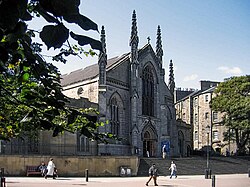
Key Facts
- Membership: Approximately 841,053 people identified as Catholic in the 2011 UK Census.
- Demographics: 16% of the Scottish population described themselves as Roman Catholic in 2011.
- Governance: Organized into two archdioceses and six dioceses.
- Founders: Early influence attributed to Saint Ninian, Saint Mungo, and Saint Columba.
- Key Figures: Current leadership includes President John Keenan and Apostolic Nuncio Miguel Maury Buendía.
Historical Evolution
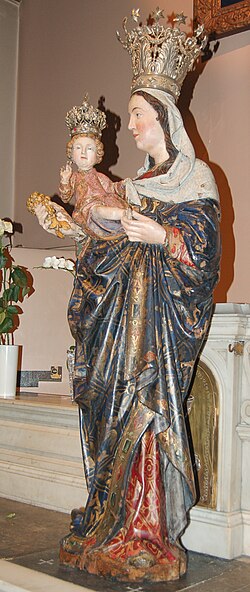
Medieval Era and the Reformation
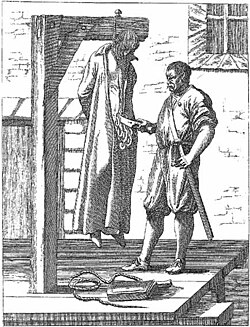
During the medieval period, Catholicism was the dominant faith. However, the Scottish Reformation led to a significant separation, resulting in the establishment of the Church of Scotland. Following this split, Catholicism entered a period of decline and illegality.
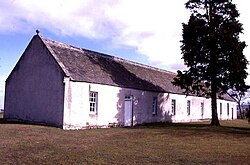
By the 18th century, the Catholic population was small and often clandestine. In 1755, it was estimated that there were roughly 16,500 communicants, primarily located in the north and west. By 1764, estimates suggested a total population of about 33,000, with 23,000 residing in the Highlands.
Migration and Growth
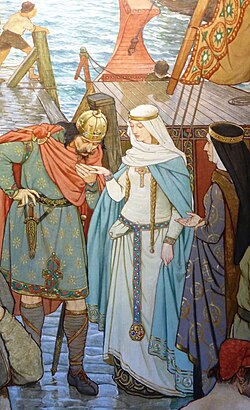
The 19th century saw a resurgence in Catholic numbers due to large-scale immigration. This was driven by Irish immigrants and Gaelic-speaking migrants from the Highlands and Islands fleeing the Highland Clearances and the potato famines in both Ireland and Scotland. These populations settled heavily in the Lowlands, cities, and industrial towns.
For example, in Dumbarton, the Catholic population grew from just a few families in 1820 to 284 by 1837, leading to the construction of St Patrick's church in 1830.
Social and Political Impact
Socioeconomic Status
Historically, the Catholic community in Scotland has been closely linked to the manual working class; data indicates that 57% of the community belong to this group. While structural disadvantages have largely eroded since the 1980s, Catholics have historically been more likely to experience poverty than their Protestant counterparts.
In recent decades, Catholics have increasingly entered professional fields. Notable milestones include the appointment of the Rt Hon John Reid MP as the first Catholic Secretary of State for Scotland in 1999, and Louise Richardson becoming the first Catholic principal and vice-chancellor of the University of St Andrews since the Reformation.
Political Affiliations
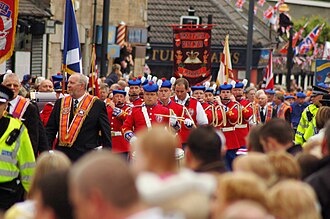
While Scottish Catholics traditionally supported the Labour Party, there has been a significant shift toward the Scottish National Party (SNP) since the 1970s. This is particularly evident among those of Irish descent; a 2020 poll indicated that 70% of Scots from Irish Catholic backgrounds support Scottish independence.
Ecclesiastical Organization
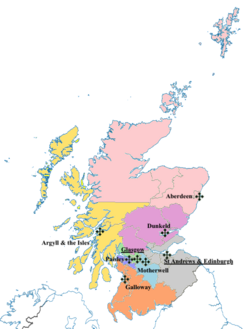
The Church in Scotland is structured into several territorial jurisdictions to manage its membership across the country.
| Diocese/Archdiocese | Cathedral | Approx. Membership (Recent) |
|---|---|---|
| Archdiocese of Glasgow | Metropolitan Cathedral Church of St Andrew | 218,170 (2021) |
| Diocese of Motherwell | Cathedral Church of Our Lady of Good Aid | 163,000 (2021) |
| Archdiocese of St Andrews and Edinburgh | Metropolitan Cathedral of Our Lady of the Assumption | 123,500 (2022) |
| Diocese of Paisley | Cathedral Church of Saint Mirin | 87,940 (2021) |
| Diocese of Dunkeld | Cathedral Church of St Andrew | 63,260 (2021) |
| Diocese of Aberdeen | Cathedral Church of St Mary of the Assumption | 51,000 (2022) |
| Diocese of Galloway | Cathedral Church of St Margaret | 41,350 (2021) |
| Diocese of Argyll and the Isles | Cathedral Church of St Columba | 10,000 (2022) |
Modern Trends and Demographics
In the 21st century, the Church has faced challenges common to many Western denominations. Between 1982 and 2010, there was a decline in baptisms (39%) and church marriages (63%), alongside a decrease in the number of priests.
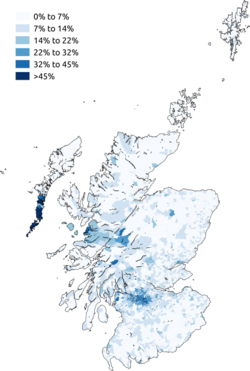
Despite these trends, the proportion of Catholics remained steady between the 2001 and 2011 censuses, even as other denominations declined. Geographically, the highest concentrations of Catholics are found in the western Central Belt, particularly in Inverclyde and North Lanarkshire.
Ethnically, the membership remains predominantly White. According to the 2011 Census, 81% are White Scots and 17% are Other White (primarily British or Irish), with small percentages of Asian, mixed-race, and other ethnic groups.
Frequently Asked Questions
Who were the founders of the Catholic Church in Scotland?
The early establishment of the faith is attributed to Saint Ninian, Saint Mungo, and Saint Columba.
What percentage of the Scottish population is Catholic?
According to the 2011 UK Census, 16% of the population of Scotland described themselves as Roman Catholic.
How did immigration affect the Catholic population?
The population grew significantly in the 19th century due to Irish immigration and migrants from the Highlands and Islands fleeing famine and the Highland Clearances. More recently, immigration from European Union member states has also contributed to the numbers.
Which region of Scotland has the highest Catholic population?
The most Catholic areas are located in the western Central Belt near Glasgow, with high percentages found in Inverclyde and North Lanarkshire.
What is the current political leaning of Scottish Catholics?
While historically aligned with the Labour Party, many Scottish Catholics, particularly those of Irish background, have shifted toward the SNP and support Scottish independence.