Saint Andrew the Apostle
Known as the First-Called (or Protokletos in the Byzantine tradition), Saint Andrew holds a distinguished place in Christian history as one of the first disciples of Jesus. Born around 5 AD in Bethsaida, Galilee, Andrew's journey from a fisherman to a global missionary has left an indelible mark on the religious and cultural landscapes of Europe and Asia.
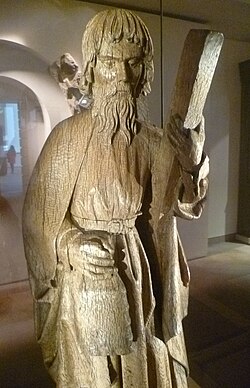
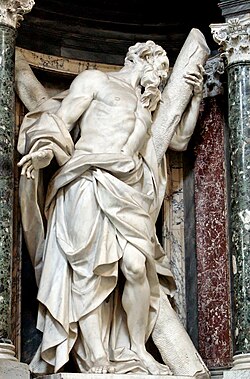
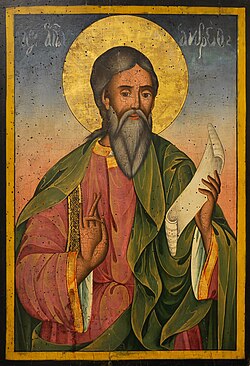
Traditionally depicted with a long white beard and holding a Gospel book or scroll, Andrew is most famously associated with the saltire—an X-shaped cross. This symbol not only represents his martyrdom but has evolved into a powerful national emblem, most notably as the national flag of Scotland.
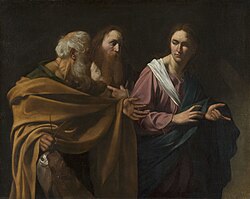
Key Facts
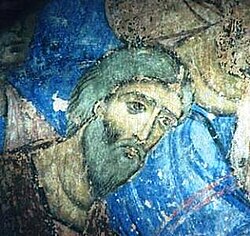
- Title: The First-Called Apostle and Martyr.
- Lifespan: Born c. 5 AD in Bethsaida; died 60/70 AD in Patras, Achaea.
- Primary Symbol: The Saltire (X-shaped cross).
- Feast Day: November 30.
- Major Relics: His skull, a small finger, and the cross of his martyrdom, all housed in Patras, Greece.
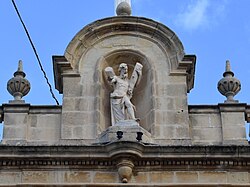
- Patronage: Patron saint of the Patriarchate of Constantinople and the village of Luqa, Malta.
Missionary Journeys and Apostolic Reach
Following the Ascension of Jesus, Saint Andrew's missions spanned vast territories. Early historical accounts, including those by Eusebius and Origen, indicate that Andrew preached in Scythia (regions corresponding to modern-day Romania and Bulgaria) and Thrace.
The Foundation of Byzantium
According to tradition, Andrew founded the see of Byzantium (later Constantinople) in 38 AD, appointing Stachys as the first bishop. This foundation established the roots of what would eventually become the Patriarchate of Constantinople, for which Andrew remains a patron saint.
Legends in Russia and Georgia
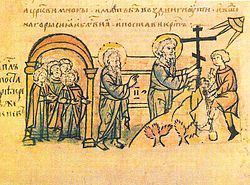
In the Slavic tradition, the 12th-century Primary Chronicle credits Andrew with visiting the northern coast of the Black Sea and foretelling the rise of a great Christian city at the site of future Kiev. Similarly, the Georgian Orthodox Church regards Andrew as the first preacher of Christianity in Georgia, a tradition that provided the Georgian church with a claim to apostolic origin.
Martyrdom and Sacred Relics
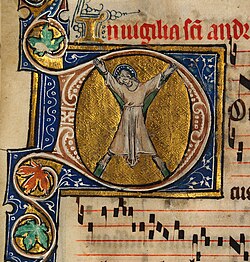
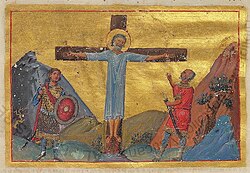
Saint Andrew's life ended in Patras, Achaea, where he was martyred on a decussate (X-shaped) cross. This specific form of crucifixion became his defining attribute in Christian art.
The history of his relics is a testament to international diplomacy and faith. His skull, once held in Constantinople, was returned to Patras by Emperor Basil I. In a significant 1964 gesture of goodwill toward the Greek Orthodox Church, Pope Paul VI returned the relic of Andrew's skull held in Vatican City to Patras. Additionally, the cross of Saint Andrew, taken during the Crusades by the Duke of Burgundy, was returned to Greece in 1980.
Regional Traditions and Cultural Impact
Beyond the Mediterranean, Saint Andrew is woven into the folklore and identity of several nations:
- Scotland: Legends suggest his relics were brought to the town of St Andrews by a figure named Regulus, leading to the adoption of the Saltire as the national flag.
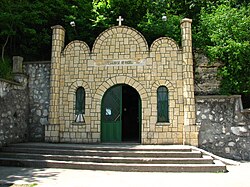
- Cyprus: Tradition tells of Andrew striking a rock with his staff to create a healing spring, leading to the establishment of the Apostolos Andreas Monastery.
- Malta: He is the patron saint of Luqa, where he is venerated by the local community, historically linked to the village's fishing population.
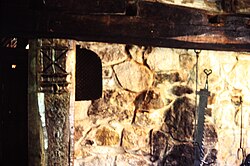
- England: In some northern regions, carved Saint Andrew's crosses were placed in fireplaces to ward off witches.

Summary of Saint Andrew's Legacy
| Region | Key Association | Significance |
|---|---|---|
| Greece (Patras) | Martyrdom Site | Location of major shrine and relics. |
| Scotland | National Patron | The Saltire flag and the town of St Andrews. |
| Turkey (Istanbul) | Ecclesiastical Founder | Founder of the see of Byzantium. |
| Georgia | First Preacher | Apostolic origin of the Georgian Church. |
| Malta (Luqa) | Village Patron | Venerated as the protector of fishermen. |
Frequently Asked Questions
Why is Saint Andrew called the "First-Called"?
He is given the title Protokletos because he was the first of the Apostles to be called by Jesus to follow Him.
What is the significance of the X-shaped cross?
The X-shaped cross, or saltire, represents the specific type of cross upon which Saint Andrew was martyred in Patras.
Where are the relics of Saint Andrew located today?
His skull, a small finger, and the cross of his martyrdom are kept in the Church of St. Andrew in Patras, Greece.
How is Saint Andrew represented in art?
He is typically portrayed with long white hair and a forked beard, often leaning on a saltire cross and holding a Gospel book or scroll.
What is the connection between Saint Andrew and Scotland?
According to legend, his relics were brought to Scotland, leading to his designation as the patron saint and the adoption of the Saltire as the national flag.