Capture of Atahualpa: The Ambush at Cajamarca
On November 16, 1532, a small force of Spanish conquistadors executed one of the most audacious ambushes in military history. In the town of Cajamarca, Peru, Francisco Pizarro and his men captured the Sapa Inca—the absolute ruler of the Inca Empire—Atahualpa. This event, often referred to by modern scholars as the Cajamarca massacre, served as the catalyst for the collapse of the Inca Empire and the beginning of Spanish colonial rule in Peru.
Key Facts
- Date: November 16, 1532
- Location: Cajamarca, Peru
- Spanish Force: 106 infantry, 62 cavalry, 4 cannons, and 12 harquebuses (early firearms)
- Inca Force: 3,000 to 8,000 guards in the plaza; nearly 80,000 troops nearby
- Outcome: Spanish victory; capture of Atahualpa
- Casualties: 2,000–3,000 Incans killed; 7,000 captured; minimal Spanish losses
The Road to Cajamarca
The confrontation was the result of months of tension, diplomacy, and espionage. Atahualpa approached the Spanish from a position of overwhelming power. He had recently emerged victorious from a brutal civil war against his half-brother, Huáscar, and commanded a battle-tested army of approximately 80,000 soldiers. To Atahualpa, Pizarro's small band of 180 men appeared insignificant, despite their strange weaponry and armor.
Believing he could easily isolate and neutralize the threat, Atahualpa lured the Spanish deep into the mountains. Pizarro, however, recognized the peril of his position. He knew that a direct assault on the heights would be suicidal, yet a retreat might signal weakness and invite a pursuit that would trap his men in the mountain passes.
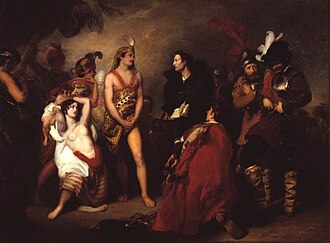
The Prelude to the Ambush
Pizarro devised a daring plan: capture the emperor from within his own ranks. He invited Atahualpa to enter the town of Cajamarca. On the afternoon of November 16, Atahualpa arrived in a magnificent procession. To demonstrate his confidence and amity, the Inca left the bulk of his army in a meadow half a mile outside the city, entering the plaza with a retinue of over 7,000 unarmed attendants.
Atahualpa was carried in a silver-covered litter lined with parrot feathers, surrounded by courtiers in vivid blue clothing and musicians. Meanwhile, the Spanish had hidden their infantry and cavalry in the alleyways and buildings surrounding the central plaza, with cannons and harquebuses positioned for a surprise attack.
The Religious Confrontation
As Atahualpa reached the center of the square, Friar Vincente de Valverde emerged with a cross and a missal. He demanded that the Inca convert to Catholicism and acknowledge Charles V, the Holy Roman Emperor, as his sovereign. The encounter quickly deteriorated. While Spanish accounts suggest the Inca threw the Bible to the ground, Incan accounts—specifically those from Titu Cusi Yupanqui—suggest the conflict arose from the Spaniards' disrespect toward a ceremonial cup of chicha (maize beer) offered by Atahualpa.
The Attack and Capture
At a signal, the Spanish unleashed a devastating barrage of gunfire and a cavalry charge. The Incans, who had never encountered firearms or horses, were thrown into a state of total shock. The Spanish focused their attack on Atahualpa and his high-ranking commanders.
In a brutal struggle, Spanish soldiers severed the arms of the courtiers carrying the Inca's litter to force it to the ground. Despite the carnage, many attendants continued to hold the litter up with their stumps until they were killed. Pizarro personally intervened to ensure Atahualpa was captured alive, recognizing the emperor's immense value as a hostage, even wounding his own hand to prevent another soldier from killing the ruler.
The professional Inca army waiting outside the city was shattered by the news. The loss of the Sapa Inca and the sudden slaughter of the nobility caused a total collapse of morale, leading to a massive rout without any significant counter-attack.
Summary of the Battle of Cajamarca
| Feature | Spanish Empire | Inca Empire |
|---|---|---|
| Commanders | Francisco Pizarro, Hernando Pizarro, Hernando de Soto | Atahualpa |
| Troop Strength | 168 (Infantry & Cavalry) | 3,000–8,000 (Plaza); ~80,000 (Nearby) |
| Key Weaponry | Cannons, Harquebuses, Steel Swords, Horses | Battle axes, ceremonial weapons |
| Casualties | 1 dead, 1 wounded (slave) | 2,000–3,000 killed, 7,000 captured |
| Strategic Result | Decisive Victory | Capture of Emperor; Empire Collapse |
Aftermath
The capture of Atahualpa effectively decapitated the Inca government. Among those captured was Atahualpa's ten-year-old wife, Cuxirimay Ocllo. Following the emperor's eventual execution, she was taken to Cuzco and later became the mistress of Francisco Pizarro, bearing him two sons. She eventually married the interpreter Juan de Betanzos, who provided critical historical narratives of the conquest from the Incan perspective.
Frequently Asked Questions
Why did Atahualpa enter the plaza unarmed?
Atahualpa believed he held absolute power and viewed the small Spanish force as no threat. He entered unarmed as a gesture of confidence and to impress the Spaniards with the splendor of his court.
What role did technology play in the Spanish victory?
The use of cavalry, steel weapons, and gunpowder (cannons and harquebuses) provided a massive tactical advantage. The Incans had never seen horses or firearms, which caused psychological terror and physical devastation.
How did the Incan account of the event differ from the Spanish one?
Spanish accounts emphasize the rejection of the Christian Bible as the trigger for the attack. In contrast, the account by Titu Cusi Yupanqui suggests the conflict began because the Spaniards disrespectfully poured out a ceremonial cup of chicha.
What happened to the main Inca army outside the town?
Despite outnumbering the Spanish by more than 45 to 1, the main army fled in terror. The spiritual and political shock of seeing their Sapa Inca captured and their leaders killed shattered their morale, preventing any organized counter-attack.