Articles/Conquistadors of the Age of Discovery: Spanish and Portuguese Expansion
conquistadorsAge of DiscoverySpanish EmpirePortuguese EmpireHernán Cortés
Conquistadors of the Age of Discovery: Spanish and Portuguese Expansion
Conquistadors of the Age of Discovery: Spanish and Portuguese Expansion The conquistadors (from the Spanish conquistadores and Portuguese conquistadores, meaning "conquerors") were Spanis...
Conquistadors of the Age of Discovery: Spanish and Portuguese Expansion
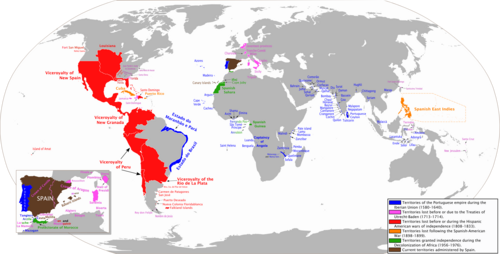
The conquistadors (from the Spanish conquistadores and Portuguese conquistadores, meaning "conquerors") were Spanish and Portuguese colonists who explored, traded with, and conquered vast territories across the Americas, Africa, Asia, and Oceania. During the Age of Discovery, these individuals sailed beyond the Iberian Peninsula to establish trade routes and colonies, bringing much of the New World under the dominion of Spain and Portugal.
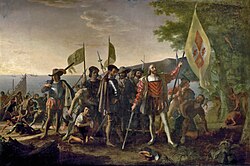
Following Christopher Columbus's arrival in the West Indies in 1492, Spain began building a colonial empire in the Caribbean, utilizing bases such as Santo Domingo, Cuba, and Puerto Rico. This expansion eventually pushed deeper into the mainland, leading to the fall of great empires and the establishment of the modern Hispanosphere.
Landing of Columbus by John Vanderlyn, 1847. Christopher Columbus and his Spanish crew making their first landfall in the Americas in 1492
Key Facts
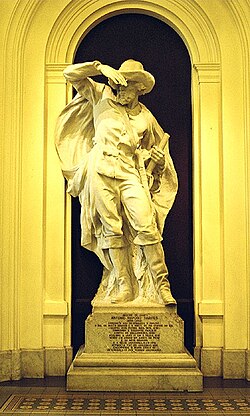
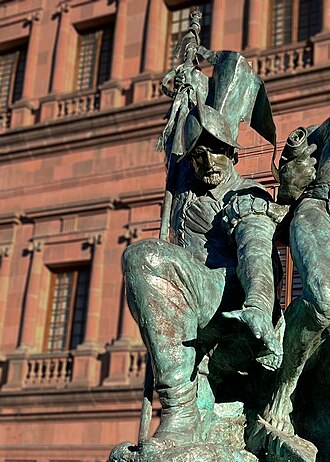
Depiction of a conquistador, Alberto del Canto
Primary Nations: Spain and Portugal were the leading powers of the early Age of Discovery.
Major Conquests: The Spanish subdued the Aztec Empire (led by Hernán Cortés) and the Inca Empire (led by Francisco Pizarro).
Portuguese Reach: Portugal established a maritime empire stretching from Brazil to India, Japan, and China.
Biological Impact: European diseases, particularly smallpox, caused massive population declines among indigenous peoples.
Iberian Union: From 1580 to 1640, the Spanish and Portuguese empires were combined under a single crown.
Spanish Exploration and Conquest
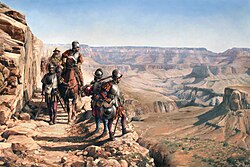
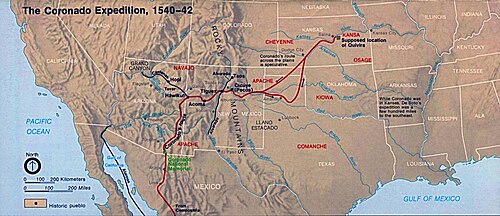
The conquest of Colorado, by Augusto Ferrer-Dalmau, depicting Coronado's 1540–1542 expedition
The Fall of the Aztec and Inca Empires
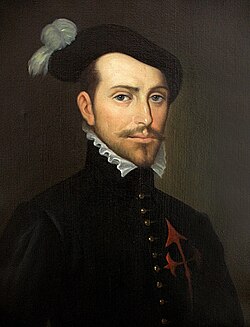
Between 1519 and 1521, Hernán Cortés led the conquest of the Aztec Empire, which was ruled by Moctezuma II. From this base in Mexico, Spanish rule expanded into northern Central America and parts of the modern-day southern and western United States.
Hernán Cortés led the Spanish conquest of the Aztec Empire and expanded the Spanish Empire in the Americas
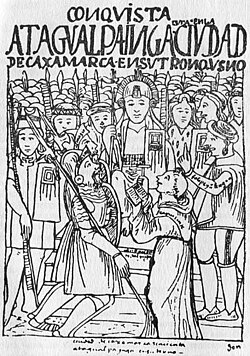
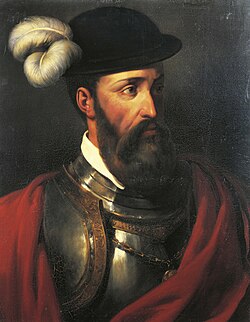
In South America, Francisco Pizarro followed a similar path of conquest. Between 1532 and 1572, Pizarro subdued the Inca Empire after crossing the Isthmus of Panama and sailing to northern Peru. Peru subsequently served as a launchpad for the conquest of Ecuador and Chile.
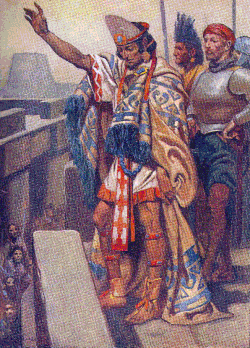
Francisco Pizarro meets with the Inca emperor Atahualpa, 1532
North American and Pacific Expeditions
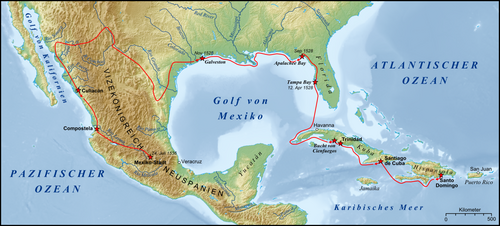
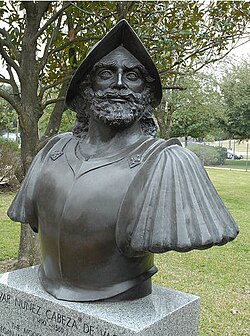
Spanish exploration extended far beyond the great empires. Álvar Núñez Cabeza de Vaca led the Narváez expedition (1527–1535), exploring the mainland of North America from Tampa Bay, Florida, through Texas, New Mexico, and Arizona.
Route of Narváez expedition (until November 1528), and a reconstruction of Cabeza de Vaca's later wanderings
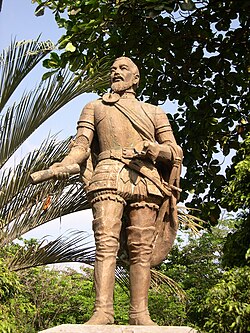
In the Pacific, Miguel López de Legazpi was commissioned by the Viceroy of New Spain to explore the Maluku Islands. By 1571, he established settlements in the Philippines, becoming the first governor-general of the Spanish East Indies.
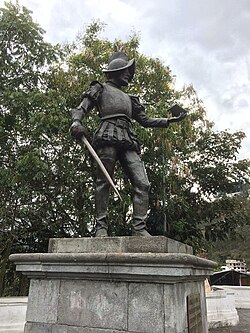
Statue of Miguel López de Legazpi in Cebu City, Philippines
Portuguese Maritime Expansion
Ponce de León and his explorers in Florida searching for the Fountain of Youth
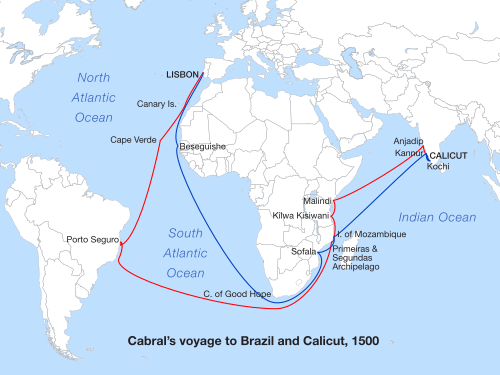
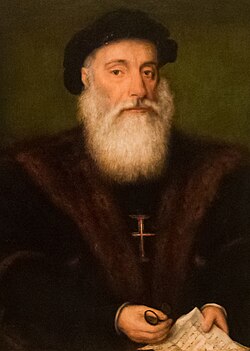
While Spain focused heavily on the Americas, Portugal pioneered routes around Africa to Asia. In 1498, Vasco da Gama reached India, and by 1500, Pedro Álvares Cabral claimed Brazil for the Portuguese crown.
Vasco da Gama
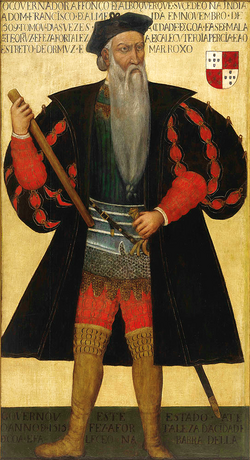
Afonso de Albuquerque further expanded the empire by conquering strategic points such as Goa in India, Hormuz in the Persian Strait, and Malacca. Portuguese influence eventually reached as far as Taiwan, Japan, and Timor.
Afonso de Albuquerque expanded the Portuguese Empire across the Indian Ocean
The Impact of Disease and Conflict
Dom Francisco de Almeida, Viceroy of Portuguese India.[6]
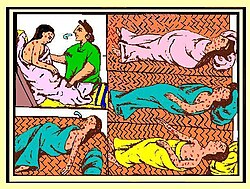
The arrival of Europeans brought devastating biological consequences. Indigenous populations had no immunity to Old World diseases. Smallpox, typhus, influenza, diphtheria, and measles caused catastrophic mortality rates.
For example, in the Inca Empire, a smallpox epidemic killed Emperor Huayna Capac before Pizarro's arrival. Similarly, in 1528, Cabeza de Vaca reported that half of the natives in Texas died from a bowel disease following Spanish contact.
Aztecs dying of smallpox (Florentine Codex, 1540–1585)
Summary of Major Conquistadors and Explorers
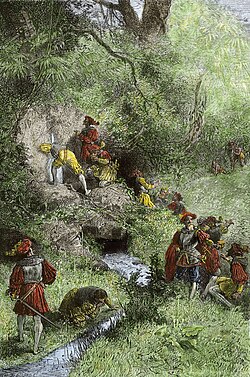
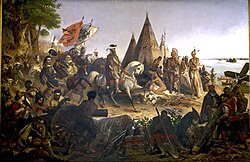
Hernando de Soto and Spanish conquistadors seeing the Mississippi River for the first time.
Prominent Figures of the Age of Discovery
Name
Nationality
Primary Region
Key Achievement
Christopher Columbus
Spanish
West Indies
First landfall in Americas (1492)
Hernán Cortés
Spanish
Mexico
Conquest of the Aztec Empire
Francisco Pizarro
Spanish
Peru
Conquest of the Inca Empire
Vasco da Gama
Portuguese
India
First European to reach India by sea
Pedro Álvares Cabral
Portuguese
Brazil
Claimed Brazil for Portugal (1500)
Miguel López de Legazpi
Spanish
Philippines
First governor-general of Spanish East Indies
Frequently Asked Questions
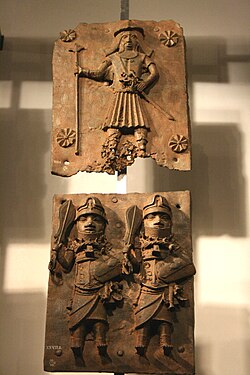
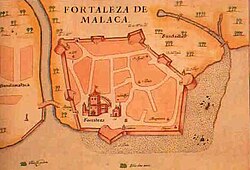
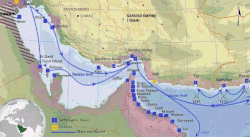
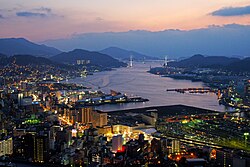
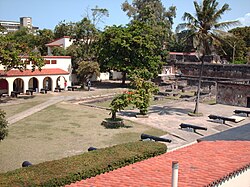
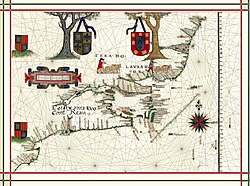
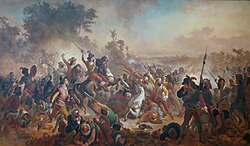
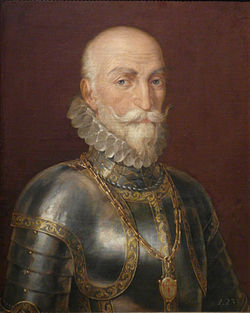
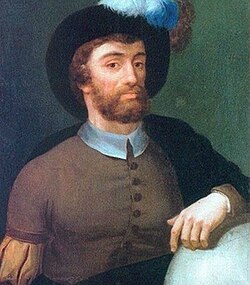
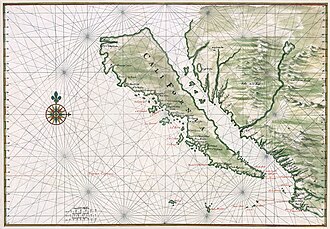
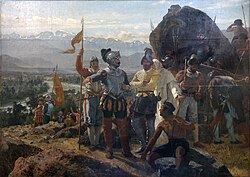
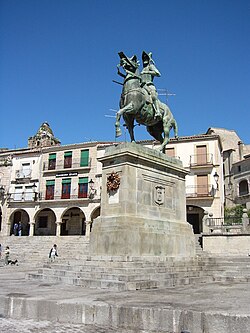
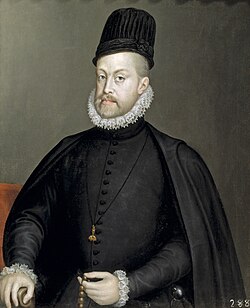
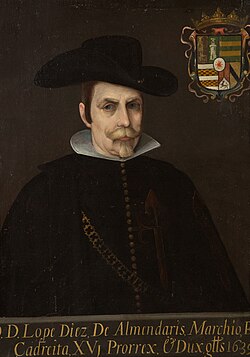
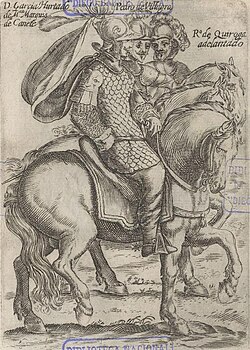
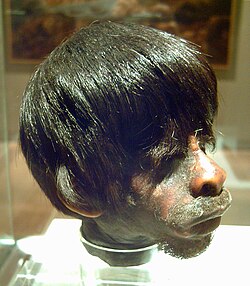
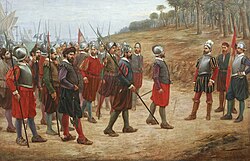
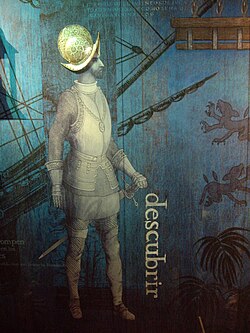
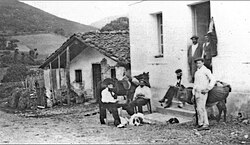
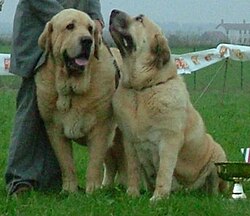
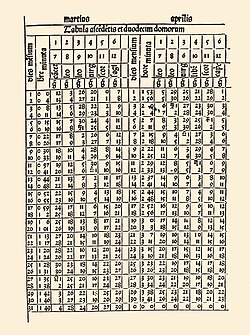
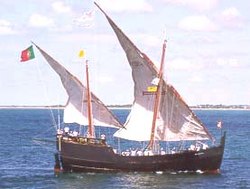
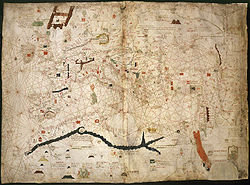
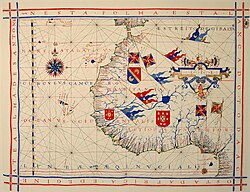
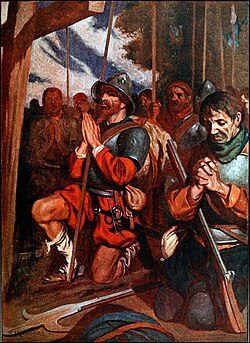
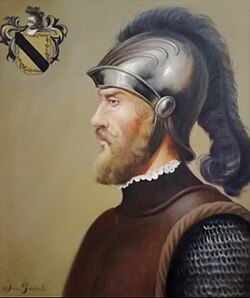
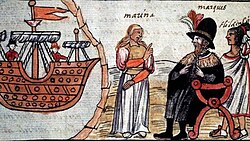
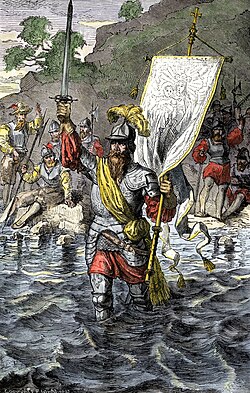
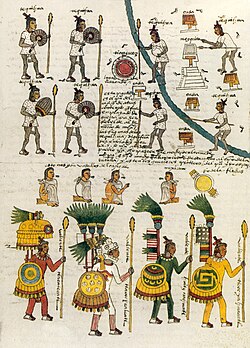
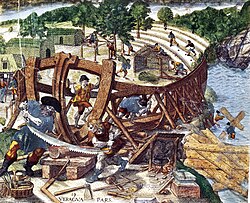
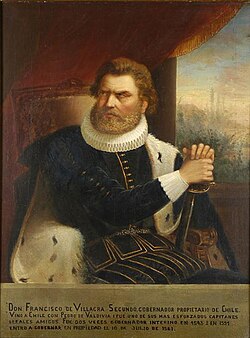
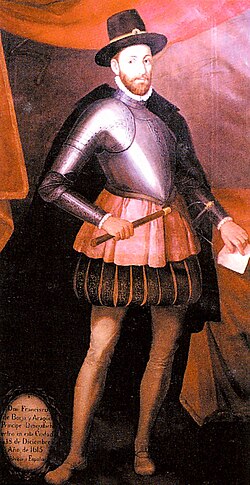
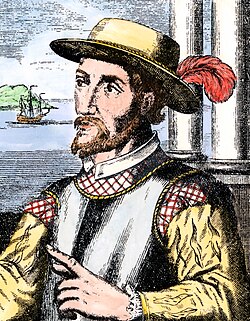
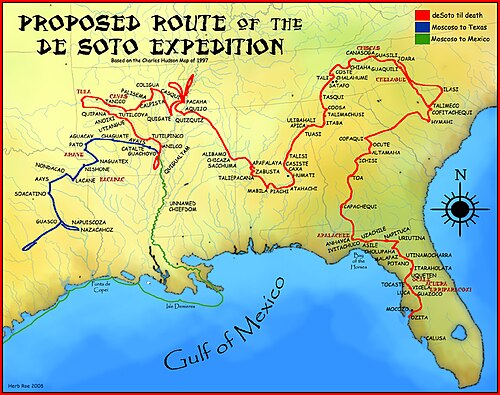
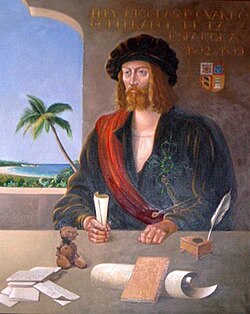
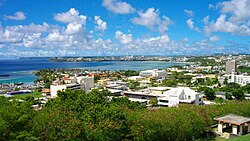
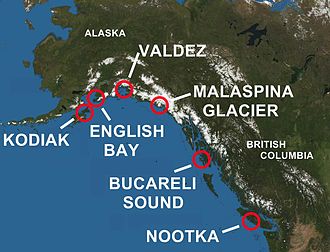
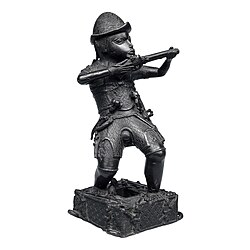
Conquistadors praying before a battle at TenochtitlanGonzalo de SandovalA page of the Durán Codex (1576) depicting Hernán Cortés and La Malinche in TenochtitlanFrancisco PizarroVasco Núñez de Balboa and spanish conquistadors claiming the Pacific Ocean for Spain in 1513.A page (folio 67), depicting indigenous Mexican warriors in the Codex MendozaFrancisco de Orellana and his men became the first Europeans to travel the entire length of the Amazon River in 1541–1542Pedro de AlvaradoDiego de Almagro led the first Spanish expedition south of Peru into Chile 1535–37. Painting by Pedro Subercaseaux.Gonzalo Jiménez de Quesada, conquistador of the New Kingdom of GranadaFrancisco de VillagraFrancisco de Borja y AragónThe conquistador Juan Ponce de León (Santervás de Campos, Valladolid, Spain). He was the first European to arrive at the current US and led the first European expedition to Florida, which he named.Statue of Cabeza de Vaca in Houston, TexasThe Coronado expedition (1540–1542)A map showing the de Soto route through the Southeast (1539–1542)Nicolás de OvandoHagåtña (Agaña) is the capital of the United States territory of Guam, ancient city of the Spanish possessions in Oceania.Areas of what are now Alaska and British Columbia explored by SpainBronze figure of a Portuguese soldier made by Benin culture in West Africa around 1600Portuguese expansion in Africa and the Middle East (1415–1801)[43]Two brass plates depicting a bearded Portuguese soldier before 1500 on top and Benin warriors at the bottom1630 map of the Portuguese fort and the city of MalaccaPortuguese in the Persian Gulf (1507–1750).Forte de Nossa Senhora da Conceição de Ormuz (Fort of Our Lady of the Conception), the Portuguese castle on Hormuz Island (Iran)Nagasaki in Japan was founded in 1570 by Portuguese explorersFort Jesus in Mombasa (Kenya), seen from the insidePortuguese North America (in present-day Canada); Vaz Dourado, c. 1576.Cabral's voyage to Brazil and India, 1500The Portuguese victory at the Second Battle of Guararapes ended Dutch presence in Brazil.António Raposo Tavares, a bandeirante, led in 1648–1652, the largest continental expedition made in the Americas until then, from São Paulo to the east, near the Andes (via Mato Grosso, the Paraguay River, the Grande River, the Mamoré River, and the Madeira River), and to the Amazon River and the Atlantic.Álvaro de Bazán, Spanish admiral famous for never having lost a battle.The combined Spanish and Portuguese empires during the Iberian Union (1580–1640)Juan Sebastián ElcanoMoctezuma Xocoyotzin under the control of the conquistadorsFrancisco de Orellana monument in Guápulo, point of departure (from Quito) to the Amazon.Map of the Island of California, circa 1650; restored.1541 founding of SantiagoBronze equestrian statue of Francisco Pizarro in Trujillo, SpainPhilip II of Spain (1527–1598).Lope Díez de ArmendárizAlonso de Ovalle's 1646 engraving of the conquistadors García Hurtado de Mendoza, Pedro de Villagra and Rodrigo de QuirogaShrunken head of a mestizo man by the Jívaro indigenous people. In 1599, the Jívaro destroyed Spanish settlements in eastern Ecuador and killed all the men.A group of 16th-century conquistadors that participated in the Spanish conquest of Peru (second expedition) along with their leader, Francisco Pizarro.Spanish conquistador in the Pavilion of Navigation in Seville, Spain.Basque Countrymen near the France–Spain border in 1898, with characteristic horse, donkey and dogs. These were the type of animals introduced to America.Spanish Mastiff used in expeditions and guardEphemeris by Abraham Zacuto in Almanach Perpetuum, 1496A Portuguese caravelPortolan of Angelino Dulcert (1339) showing Lanzarote islandPre-mercator navigation chart of the Coast of Africa (1571), by Fernão Vaz Dourado (Torre do Tombo, Lisbon)
Who were the conquistadors?
Conquistadors were Spanish and Portuguese explorers and colonists who conquered territories in the Americas, Africa, Asia, and Oceania during the Age of Discovery to expand their respective empires.
What was the Iberian Union?
The Iberian Union was a period between 1580 and 1640 when the Spanish and Portuguese empires were joined under a single monarch.
How did diseases affect the indigenous populations?
European diseases like smallpox and measles were lethal to indigenous peoples who lacked immunity, leading to massive population declines that often weakened empires before military conquest.
Which empires were the primary targets of Spanish conquest?
The two most prominent empires subdued by the Spanish were the Aztec Empire in Mexico and the Inca Empire in Peru.
Where did the Portuguese establish their trade monopolies?
Portugal established significant trade monopolies and settlements in Goa (India), Malacca, Macau (China), and various ports along the African coast and the Persian Gulf.
Vanhanen, Tatu (1997). Prospects of democracy: a study of 172 countries. New York: Routledge. p. 112. ISBN0-415-14405-1.
"Ferdinand Magellan". History. A&E Television Networks. 29 October 2009. Retrieved 3 December 2019.
Burkholder, Mark A.; Johnson, Lyman L. (2019). Colonial Latin America (Tenth ed.). New York: Oxford University Press. ISBN978-0-19-064240-2. OCLC1015274908.
![Dom Francisco de Almeida, Viceroy of Portuguese India.[6]](/images/02/f1/02f13535a0641337f8025b154e0922401c96071078c63b4c7aaa8016364cce21.png)
![Portuguese expansion in Africa and the Middle East (1415–1801)[43]](/images/2b/a7/2ba7f847b6a2eb016d54c343931008bbad1b738e85fdc190ec04389ba22b9b61.png)