Cañari Civilization: The Resilient People of the Ecuadorian Andes
The Cañari (or Kañari in Kichwa) were a powerful indigenous ethnic group and tribal confederation that inhabited the highlands of modern-day Ecuador, specifically within the provinces of Azuay and Cañar. Known for their sophisticated architecture and fierce independence, the Cañari played a pivotal role in the geopolitical shifts of the Andes, from their early tribal autonomy to their complex relationship with the Inca Empire and the subsequent Spanish conquest.
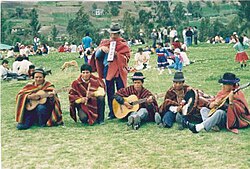
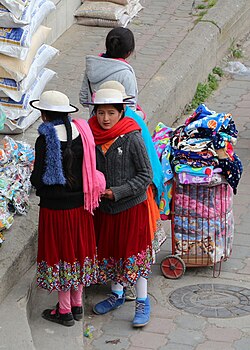
Their legacy survives today through impressive archaeological sites and a descendant population that includes thousands of indigenous people and mestizos.
Key Facts
- Timeline: Established around 500 CE; integrated into the Inca Empire by the early 16th century.
- Capital: Tumebamba (modern-day Cuenca), often called the "second Cuzco."
- Governance: A federative monarchy or diarchy where tribes united under a single leader during crises.
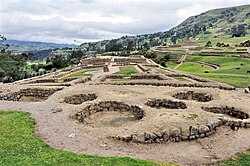
- Key Sites: Ingapirca and Pumapungo are the most prominent archaeological remains.
- Language: The original Cañari language is now extinct, replaced by Kichwa and Spanish.
Origins and Mythology
The name Cañari is derived from kan (snake) and ara (macaw). Linguists suggest this reflects a belief that their ancestors were these animals, or that the creatures were held as sacred symbols in their culture. Within the broader Cañari family, various groups existed, such as the Peleusis in the Azogues region, which held hegemony over neighboring tribes and was reportedly founded by the caciques Tenemaza and Carchipulla.
The Cañari maintained a rich oral tradition, including a creation myth involving a massive flood. According to legend, only two brothers survived by sheltering on a high mountain. Upon returning to their home, they discovered food prepared by two female beings with macaw faces. One brother married the younger being, and their offspring repopulated the world.
The Struggle Against the Inca Empire
For years, the Cañari defended their territory against the expanding Inca Empire. Under the leadership of the chief Dumma, they organized a formidable army and successfully repelled initial attacks by the Inca leader Túpac Yupanqui. However, the Inca utilized a combination of military persistence and political maneuvering to eventually secure the region.
After Túpac Yupanqui built fortifications and demanded the children of Cañari leaders as hostages, the Cañari eventually submitted. They were loosely assimilated, allowed to manage their own internal affairs but required to adopt the Inca language for official communication. Túpac Yupanqui invested heavily in the region, beautifying Tumebamba and constructing fortresses in Achupallas and Pumallacta.
The Inca Civil War and Devastation
The relationship between the Cañari and their conquerors fractured during the Inca Civil War between the sons of Huayna Cápac: Huáscar and Atahualpa. Despite being in Atahualpa's northern territory, the Cañari supported Huáscar. While initially successful, they were eventually routed by Atahualpa at the battles of Mullihambato and Chimborazo. The retaliation was brutal; Atahualpa executed Cañari supporters in Tumebamba, reducing their population from approximately 50,000 to just 12,000.
The Spanish Conquest and Later History
When Francisco Pizarro arrived in Tumbes, he found a population eager to overthrow Atahualpa. The Cañari allied with the Spanish, providing crucial support in the battle of Sacsayhuamán in 1536. This alliance granted the Cañari legal standing under Spanish rule.
One notable leader, Francisco Chilche, leveraged this status to claim the role of cacique over the Quispiguanca estate in the Sacred Valley near Cuzco. He successfully defended these lands against both Spanish and indigenous rivals and later recruited 500 soldiers to assist the Spanish in their war against the final Inca leader, Tupac Amaru, into the 1570s.
Culture, Architecture, and Language
The Cañari were skilled astronomers and architects. They utilized a lunar calendar and constructed circular temples, a stark contrast to the rectangular buildings of the Inca. At Ingapirca, these two styles exist side-by-side. They also created stone "calendars"—stones with drilled holes filled with water to reflect celestial bodies and determine dates.
The Linguistic Legacy
While the original Cañari language is considered extinct, its influence persists. During the colonial era, the Spanish mandated the use of Kichwa, accelerating the decline of the native tongue. However, some theorists believe the distinct "cantadito" accent of Cuenca is a linguistic relic of the original Cañari language, as the accent's distribution mirrors the original Cañari settlements.
| Feature | Details |
|---|---|
| Primary Locations | Azuay, Cañar, and El Oro (Ecuador) |
| Major Cities | Tumebamba (Cuenca), Ingapirca |
| Religious Beliefs | Polytheist; sacred animals included snakes and macaws |
| Architectural Style | Circular temples and celestial stone calendars |
| Key Adversaries | Inca Empire (initially), later allies of the Spanish |
Frequently Asked Questions
What was the significance of Tumebamba?
Tumebamba, located in present-day Cuenca, served as the Cañari capital and was later developed by the Inca. Its architecture was so impressive that it was frequently referred to as the "second Cuzco."
How did the Cañari interact with the Inca Empire?
The Cañari initially resisted the Inca with great bravery. After their eventual conquest, they were loosely assimilated, but they later rebelled by supporting Huáscar during the Inca Civil War, leading to severe reprisals from Atahualpa.
Why did the Cañari ally with the Spanish?
The Cañari sought liberation from the oppressive rule of Atahualpa. By aligning with Francisco Pizarro, they hoped to regain their independence and secure a better legal standing under the new colonial administration.
What remains of the Cañari language today?
The language is practically extinct, though some believe the unique accent found in Cuenca and parts of Bolivia and Argentina is a remnant of the original Cañari tongue.
What is the importance of Ingapirca?
Ingapirca is the best-known archaeological site of the region, showcasing the juxtaposition of circular Cañari buildings and rectangular Inca structures, as well as ancient stone calendars.