Peru: A Journey Through Ancient Civilizations and Modern Republic
Peru is a land of staggering contrasts, where ancient Andean mysteries meet the bustling energy of a modern South American republic. From the arid coastal plains to the towering peaks of the Andes and the dense depths of the Amazon, Peru is defined by its diverse geography and a rich cultural tapestry woven over millennia.
As a nation, Peru balances a deep respect for its pre-Columbian roots with the complexities of a unitary semi-presidential republic. Today, it stands as a significant economic force in the region, driven by vast mineral wealth and a world-renowned culinary tradition.
Key Facts
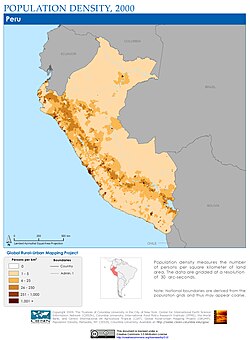
- Capital: Lima, the largest city and political hub.
- Official Languages: Spanish, with Quechua and Aymara as co-official languages.
- Geography: A total area of 1,285,216 km², ranking 19th globally.
- Population: Approximately 34.16 million (2025 census).
- Economy: A high Human Development Index (0.794) with a strong focus on mining and agriculture.
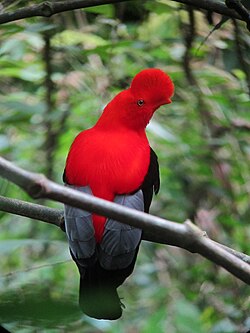
- National Bird: The Andean cock-of-the-rock.
A Legacy of Ancient Civilizations
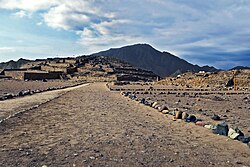
Long before the arrival of Europeans, Peru was home to some of the world's most sophisticated early societies. The Norte Chico civilization, evidenced by the remains of pyramids in the Supe Valley, represents one of the oldest known urban centers in the Americas.
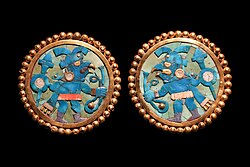
Following these early settlers, the Moche culture flourished on the coast, known for their intricate gold and turquoise jewelry and warrior depictions. Later, the Inca Empire rose to dominance, creating a vast administrative network and architectural marvels that still defy explanation.
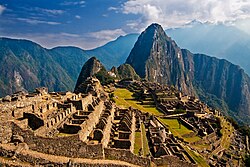
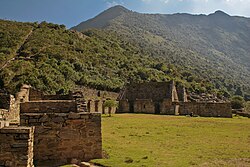
The citadel of Machu Picchu remains the most iconic symbol of Incan ingenuity, perched high in the Andes. Other significant sites, such as Choquequirao, further illustrate the scale of Incan urban planning and spiritual life.
From Conquest to Independence
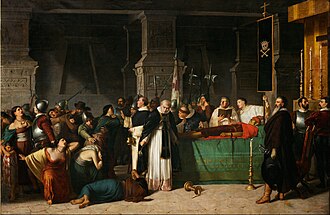
The 16th century brought a seismic shift with the Spanish conquest. The execution of Atahualpa, the last Sapa Inca (the supreme ruler of the Inca Empire), marked the end of indigenous sovereignty and the beginning of the colonial era.
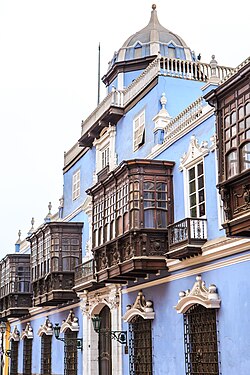
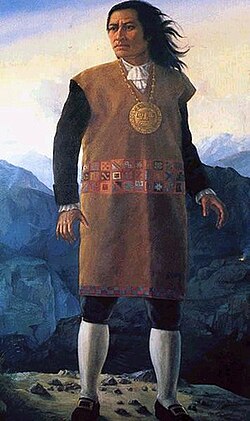
Colonial rule was characterized by a blend of Spanish administration and indigenous labor, though it also sparked resistance. Figures like Túpac Amaru II led significant uprisings against Spanish oppression, paving the way for the eventual drive toward autonomy.
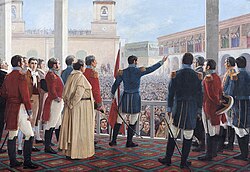
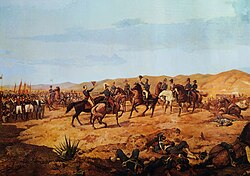
Peru's independence was declared on July 28, 1821, by José de San Martín. The struggle for liberation was consolidated through decisive military engagements, most notably the Battle of Ayacucho in 1824, which ensured the end of Spanish rule in the region.
Modern Political Landscape
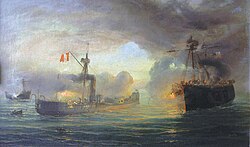
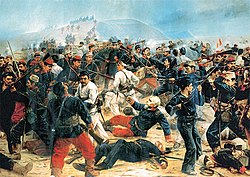
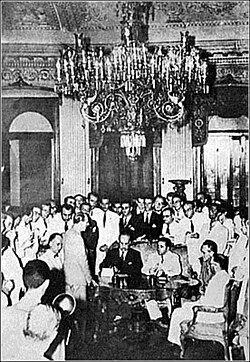
The 19th and 20th centuries were marked by periods of instability, border conflicts—such as the War of the Pacific—and shifts between democratic and military rule. The signing of the Rio Protocol in 1942 helped resolve long-standing territorial disputes.
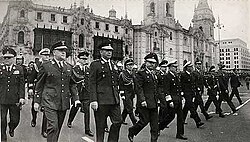
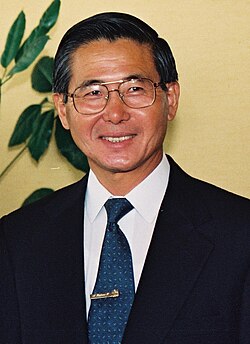
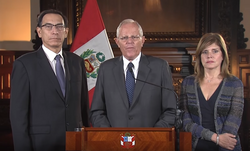
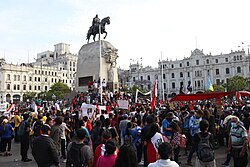
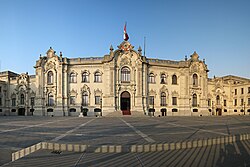
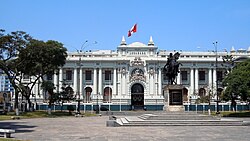
In recent decades, Peru has navigated a volatile political environment. The era of Alberto Fujimori saw significant shifts in governance, followed by a series of presidential impeachments and protests, including the widespread demonstrations of 2022–2023. The current government operates as a unitary semi-presidential republic, with the Legislative Palace in Lima serving as the seat of Congress.
Geography, Climate, and Nature
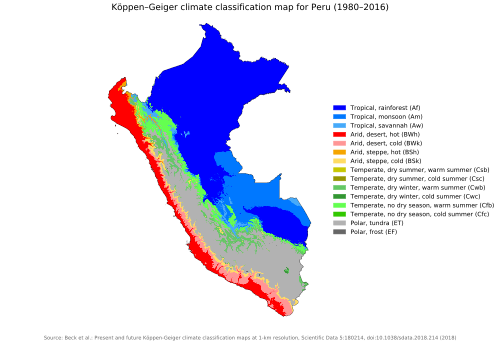
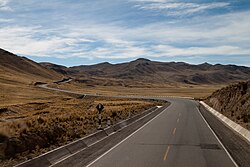
Peru's geography is divided into three primary zones: the coast, the highlands (Sierra), and the jungle (Selva). This variety creates a wide range of climates, as seen in the Köppen–Geiger classification, ranging from the arid coast to the tropical rainforest.
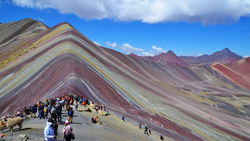
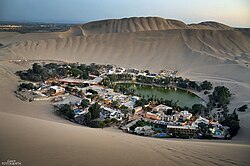
The Andes mountains provide breathtaking landscapes, including the colorful slopes of Vinicunca (Rainbow Mountain) and the high-altitude Altiplano. On the coast, the Huacachina oasis stands as the only natural oasis in South America.
Economy and Infrastructure
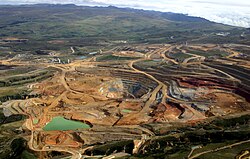
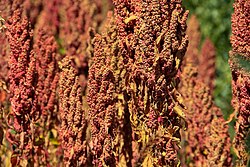
Peru possesses a diverse economy with a strong emphasis on the extractive industries. Mining is a cornerstone of the national GDP, with sites like the Yanacocha Mine producing significant mineral wealth. Agriculture also plays a vital role, with the cultivation of ancient grains like quinoa for global markets.
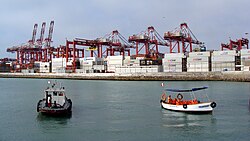
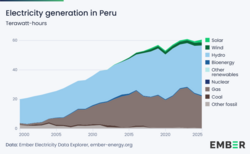
Trade is facilitated by the Port of Callao, one of the most important maritime hubs on the Pacific coast. The nation's energy sector has seen a steady increase in electricity generation, diversifying its power sources to support urban growth.
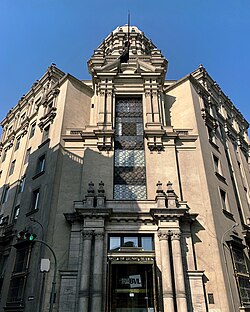
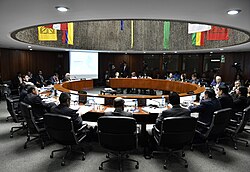
The financial heart of the country is centered in Lima, home to the Lima Stock Exchange and the headquarters of the Andean Community.
Culture and Society
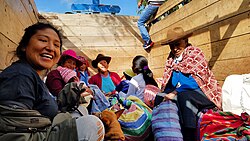
Peruvian society is a vibrant mix of ethnic groups, with a majority identifying as Mestizo (mixed European and Indigenous ancestry), followed by Native, White, and Black populations. This diversity is reflected in the languages spoken, primarily Spanish, Quechua, and Aymara.
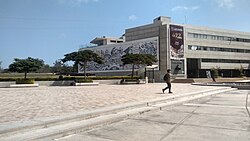
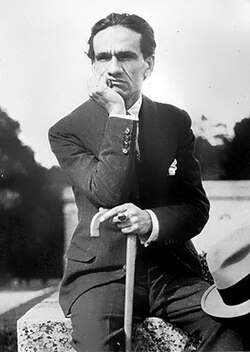
The nation's intellectual history is anchored by the National University of San Marcos, the oldest university in the Americas. In literature, the poet Cesar Vallejo remains a towering figure of global significance.
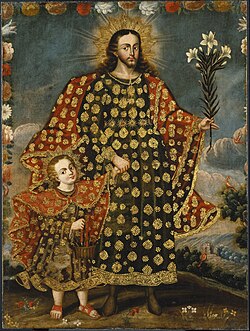
Artistic expression ranges from ancient Chancay textile dolls to the Colonial Cusco Painting School. Music and dance, such as the Marinera, are celebrated as national cultural heritage.
![11th-century textile doll, Chancay culture, Walters Art Museum. Dolls are frequently found in the tombs of ancient Peru.[279]](/images/d8/b2/d8b24ebc6c39b2cc5348ba9f836721a3fc7b0f1b7442122ef277617130f0063e.jpg)
![Marinera was declared cultural heritage of the Nation in 1986[295]](/images/b0/f9/b0f9dc714a498167ef6fd23f5b24ae96cf3c60851b08825d3d0315c0419e43ac.jpg)
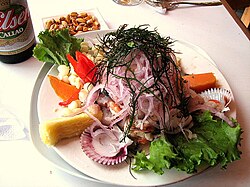
Peruvian cuisine has gained international acclaim, with Ceviche—a lime-marinated seafood dish—serving as a global ambassador for the country's flavors.
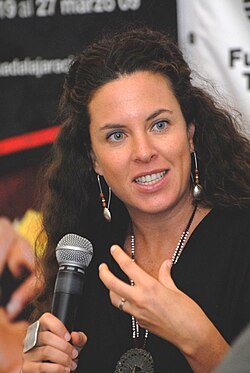
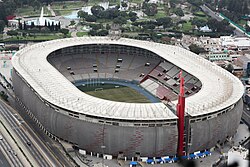
From the cinematic achievements of filmmakers like Claudia Llosa to the passion for football at the Estadio Nacional, Peru's cultural output is as diverse as its landscape.
Summary of National Profile
| Category | Detail |
|---|---|
| Government | Unitary semi-presidential republic |
| Population (2025) | 34,157,732 |
| GDP (Nominal 2026 Est.) | $380.900 billion |
| Currency | Peruvian sol (PEN) |
| HDI (2023) | 0.794 (High) |
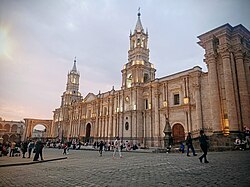
| Major Cities | Lima, Arequipa, Trujillo, Chiclayo |
Frequently Asked Questions
What are the official languages of Peru?
Spanish is the primary official language, while Quechua and Aymara are co-official languages, reflecting the country's strong indigenous heritage.
Which is the oldest university in the Americas?
The National University of San Marcos, located in Lima, holds the distinction of being the oldest university in the Americas.
What is the significance of the Battle of Ayacucho?
The Battle of Ayacucho, fought on December 9, 1824, was the decisive military encounter that consolidated Peruvian independence from Spain.
What are the main drivers of the Peruvian economy?
The economy is heavily driven by the mining sector (including gold, silver, and copper) and agriculture, alongside a growing tourism industry centered on historical sites.
What is Ceviche?
Ceviche is a popular Peruvian seafood dish consisting of raw fish marinated in fresh lime juice, widely regarded as a national culinary staple.