Alloparenting in Animals and Humans: The Science of Shared Care
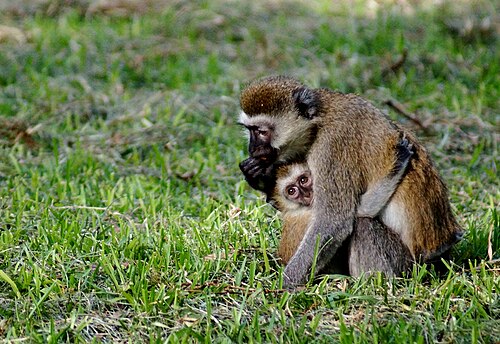
In the natural world, the responsibility of raising offspring is not always limited to the biological parents. Alloparenting, or alloparental care, occurs when an individual provides care for young that are not its own direct offspring. These individuals, known as alloparents or helpers, may care for siblings, grandchildren, or even unrelated members of their own or different species.
While common in human societies—where grandparents and older siblings frequently assist—alloparenting is less prevalent across the animal kingdom. It is estimated that only about 3% of mammal species exhibit this behavior. However, where it does occur, the benefits are significant: offspring often grow at faster rates and are weaned earlier than those raised solely by biological parents.
Key Facts
- Definition: Care provided by an individual to non-descendant young.
- Prevalence: Rare in mammals (approx. 3%) and birds, but documented in 120 mammal and 150 bird species.
- Types: Can be mutualistic (beneficial to both) or parasitic (beneficial to one).
- Outcomes: Alloparented young often experience faster growth and earlier weaning.
- Drivers: Often evolves in stable environments with high population density and intense resource competition.
The Mechanics of Alloparental Care
Alloparenting encompasses a wide variety of social structures and biological systems. These relationships can be categorized based on whether the interaction is mutually beneficial or exploitative.
Mutualistic vs. Parasitic Care
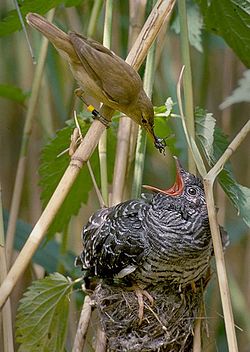
True (mutualistic) alloparenting occurs when both the helper and the young benefit. This is often seen in cooperative breeding and joint brood care. Conversely, misdirected (parasitic) care occurs when one party benefits at the expense of the other, such as in brood parasitism, where a species lays its eggs in the nest of another.
Allonursing and Physical Care
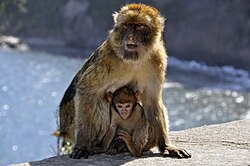
In mammals, alloparenting often manifests as allonursing (or allolactation), where a female suckles young that are not her own. Other common behaviors include babysitting, carrying the young, and pup-feeding. For example, male Barbary macaques have been observed carrying and caring for unrelated infants for several hours at a time.
Evolutionary Benefits and Costs
The evolution of alloparenting is driven by a balance of costs and benefits for both the caregiver and the offspring.
Benefits to the Alloparent
- Indirect Fitness: Gaining genetic advantages by helping kin (kin selection).
- Social Advancement: Increasing social rank within a group.
- Resource Acquisition: Securing a home territory through cooperative breeding.
- Reproductive Opportunities: Gaining extra-pair breeding opportunities or mates.
Costs and Environmental Drivers
Cooperative breeding often emerges when the risks of dispersing to find a new territory are too high. Factors such as reduced survival probability after dispersal, difficulty finding a mate, or a lack of available breeding territories push individuals to stay and help. Consequently, this behavior is most common in stable environments with high population densities and intense competition for food and resources.
Alloparenting in Nature: Case Studies
Interspecific Brood Amalgamation in Lake Malawi
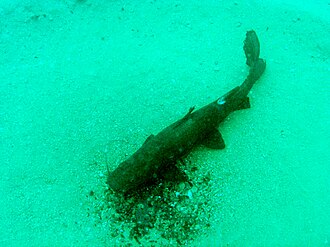
One of the most unique examples of mutualistic alloparenting occurs between cichlids and the Bagrus meridionalis catfish. Cichlids "farm out" their young into the broods of these larger predatory catfish. This arrangement is highly beneficial: the catfish offspring experience six times greater survivorship due to the dilution effect, as cichlid young are pushed to the periphery of the school, shielding the catfish young from predators.
The cichlids also benefit; they are freed from mouth-brooding, allowing the young to forage more and grow faster. Additionally, the catfish alloparent allows cichlid young to feed off the skin on its dorsal surface.
Canine and Feline Social Structures
In Indian free-range dogs, grandmotherly care is evident. Research shows that females may spend significant time guarding and grooming their grandchildren, especially in years when they do not have a litter of their own. Interestingly, while they provide protection and food, they typically do not allow grandchildren to suckle.
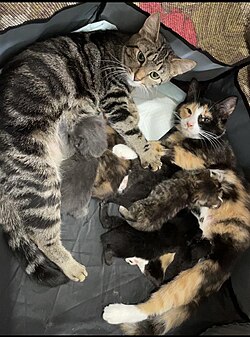
Domestic cats also exhibit alloparenting, primarily among females. In semi-feral and housecat populations, females often share nests and cooperatively nurse kittens. In housecats, where resource competition is lower, this behavior extends to spayed females, castrated males, and the male sire, providing protection against predators and infanticidal males.
Marine Mammals
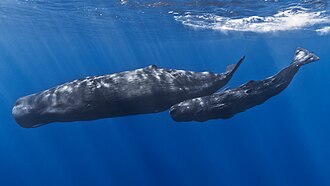
Alloparental behaviors, such as "babysitting," have been documented in sperm whales and pilot whales, where adults assist in the care of calves.
Summary of Alloparenting Systems
| Type of Care | Nature of Relationship | Example Species | Primary Benefit |
|---|---|---|---|
| Cooperative Breeding | Mutualistic | Indian free-range dogs | Increased offspring survival |
| Brood Parasitism | Parasitic | Common cuckoo | Reduced parental effort for parasite |
| Interspecific Care | Mutualistic | Cichlids & Catfish | Predation protection (dilution effect) |
| Communal Nursing | Mutualistic | Domestic cats | Shared protection and health |
Frequently Asked Questions
What is the difference between alloparenting and biological parenting?
Biological parenting is the care provided by the genetic parents of an offspring. Alloparenting is any care provided to "non-descendant" young, which can include siblings, relatives, or entirely unrelated individuals.
Why would an animal care for young that aren't its own?
Animals may do this to gain indirect fitness through kin selection, increase their social rank, learn parenting skills, or secure a territory in environments where resources are scarce and competition is high.
Is alloparenting common in mammals?
No, it is relatively rare. Only about 3% of mammal species exhibit alloparental care, although it is well-documented in specific groups like primates, certain canines, and felines.
How does the "dilution effect" work in the cichlid-catfish relationship?
The dilution effect occurs when the cichlid young are positioned on the periphery of the catfish school. This makes the cichlids more vulnerable to predators, which in turn increases the survival rate of the catfish offspring in the center of the group.
Do male animals participate in alloparenting?
Yes. For example, male Barbary macaques provide significant care for unrelated infants, and in domestic cat populations, castrated males have been observed participating in alloparental behaviors.