Wet Season Dynamics: Rainfall Patterns, Ecosystem Impacts, and Global Variations
The wet season—often referred to as the rainy season or monsoon season—is a critical period in many parts of the world when a region receives the majority of its annual rainfall. While the term "green season" is sometimes used by tourism industries to highlight the lushness of the landscape, the phenomenon is a complex meteorological event that shapes ecosystems, human societies, and wildlife behavior across the tropics and subtropics.
Unlike tropical rainforests, which experience rainfall distributed evenly throughout the year, regions with seasonal climates experience distinct periods of moisture and drought. In tropical climates, a month is scientifically classified as part of the wet season under the Köppen climate classification if it averages 60 millimetres (2.4 in) or more of precipitation.
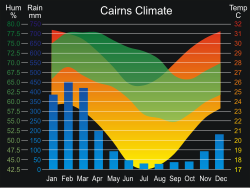
The Mechanics of Seasonal Rainfall
The character of rainfall varies significantly depending on the geographic region and the underlying atmospheric drivers. In many areas, the wet season is driven by the movement of the Intertropical Convergence Zone (ITCZ), also known as the monsoon trough. As this zone shifts, it can bring heavy rains to specific latitudes. In some tropical locations, the ITCZ may pass over a region twice per year, resulting in two distinct wet seasons.
Monsoon Regimes and Thunderstorms
When heavy rainfall is specifically associated with a shift in wind patterns, it is known as a monsoon season. In savanna and monsoon regions, rainfall is often driven by daytime heating, which triggers diurnal (daily) thunderstorm activity within moist airmasses. These storms typically occur in the late afternoon or early evening, with much of the daily precipitation falling in the first few minutes of a downpour before the storm transitions into a more steady, stratiform stage.
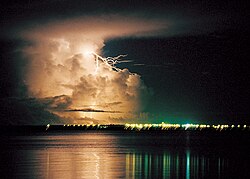
Global Distribution of Wet Seasons
Wet seasons are not uniform; they manifest differently depending on the climate regime. For example, Mediterranean climates feature wet winters and dry summers, whereas tropical seasonal forests experience both dry and rainy months.
- Savanna Climates: Distinct rainy seasons are found in Sub-Saharan Africa (including Ghana, Ethiopia, and Botswana) and subtropical areas like Florida and parts of the southern United States.
- Monsoon Regions: These include the Indian subcontinent, Southeast Asia, northern Australia, Central America, and parts of Mexico and Brazil.
- Mediterranean Climates: In these regions, the wet season occurs during the winter months, affecting the west coast of the US, southern Australia, South Africa, and the Mediterranean coastline of Europe and North Africa.
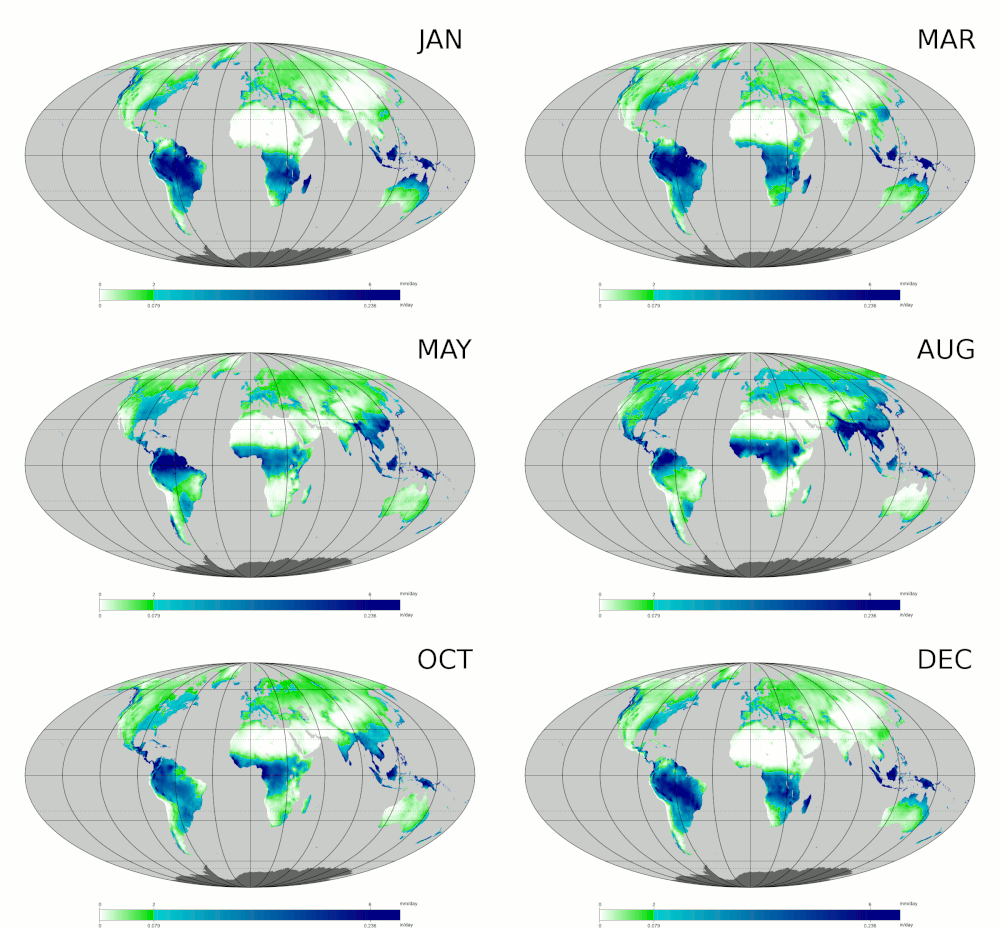
Some unique boundaries exist, such as the Sonoran Desert, which sits between Mediterranean and monsoon climates and thus receives two different rainy seasons. Similarly, northern Guyana experiences two wet seasons: one in early spring and another in early winter.
Environmental and Biological Impacts
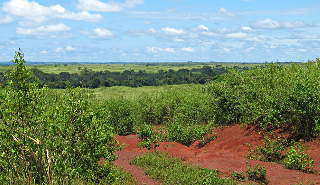
The arrival of heavy rain triggers a cascade of environmental changes. While rainfall improves air and freshwater quality and stimulates massive vegetation growth, it also brings challenges such as increased soil erosion and the leaching of essential nutrients from the soil.
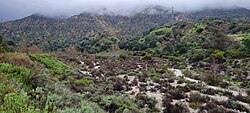
Impact on Human Life and Agriculture
For many, the wet season is a period of both opportunity and hardship. It is the primary growing season for essential crops such as maize, rice, cassava, millet, groundnut, and yam. However, the period immediately following a dry season can lead to food shortages as crops have not yet reached maturity. In developing countries, this can result in seasonal weight fluctuations in human populations. Additionally, the combination of high temperatures and heavy rain can increase the incidence of diseases like malaria and dengue.
Wildlife Adaptations
Animals have evolved various strategies to survive the seasonal shifts. Some species use the rain as a biological signal: cows often calve at the start of the season, and the monarch butterfly begins its departure from Mexico. In wetlands, decreased salinity caused by heavy rains can trigger increased nesting in crocodiles, while species like the arroyo toad spawn shortly after the rains begin. Conversely, animals such as armadillos and rattlesnakes often seek higher ground to avoid flooding.
Flooding and Natural Hazards
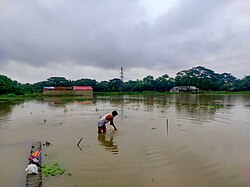
Extreme rainfall can lead to widespread flooding, causing rivers to overflow and submerging homes. In mountainous regions, this can trigger landslides and mudflows. Flooding can be worsened if the previous dry season was marked by fires; burned soils can become hydrophobic (water-repellent), increasing runoff. In some areas, such as the Ghaggar-Hakra River in India, the river only flows during the monsoon, making its seasonal flooding a significant event for local agriculture.
Key Facts
- Definition: A wet season month typically requires 60mm or more of average precipitation.
- Timing: In many tropical areas, rain falls most frequently in the late afternoon and early evening.
- Dual Seasons: Some regions, like northern Guyana and parts of West Africa, can experience two wet seasons per year.
- Agricultural Staples: Key crops grown during this time include rice, maize, and cassava.
- Climate Contrast: Unlike tropical rainforests, seasonal climates have distinct periods of moisture and dryness.
Summary of Seasonal Characteristics
| Climate Type | Wet Season Timing | Primary Characteristics |
|---|---|---|
| Tropical Savanna/Monsoon | Varies by region | Heavy afternoon thunderstorms; significant vegetation growth. |
| Mediterranean | Winter months | Wet winters followed by dry summers. |
| Tropical Rainforest | N/A | Rainfall is distributed equally throughout the year. |
Frequently Asked Questions
What is the difference between a wet season and a monsoon?
A wet season is a general term for a period of high rainfall. A monsoon specifically refers to a wet season that is associated with a distinct shift in wind patterns.
Why do some areas have two wet seasons?
This occurs when the Intertropical Convergence Zone (ITCZ), or monsoon trough, passes over a specific location twice during the year.
How does the wet season affect soil quality?
While it supports plant growth, heavy rainfall can lead to increased erosion and the leaching of nutrients from the soil, which can diminish soil fertility.
Can the wet season cause food shortages?
Yes. Because crops take time to mature, the period immediately following a dry season can result in food shortages before the new harvest is ready.
What makes soil hydrophobic during the wet season?
If fires occurred during the preceding dry season, the soil can become water-repellent (hydrophobic), which exacerbates flooding by increasing runoff.