War of Liberation: The Final Phase of the Lebanese Civil War
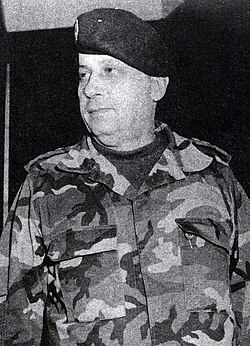
The War of Liberation (Arabic: حرب التحرير) was a pivotal sub-conflict that occurred between March 1989 and October 1990. It served as the violent conclusion to the broader Lebanese Civil War, pitting the Lebanese Army loyal to General and Prime Minister Michel Aoun against the Syrian Armed Forces and a rival Lebanese government based in West Beirut.
This conflict was not merely a military struggle but a political clash over the sovereignty of Lebanon. While much of the country sought peace through diplomatic frameworks, General Aoun sought to forcibly end the Syrian occupation of Lebanon, leading to a series of brutal offensives and a prolonged siege that eventually reshaped the nation's political landscape.
Key Facts
- Duration: March 1989 to October 13, 1990.
- Primary Belligerents: Pro-Aoun Lebanese Army vs. Syrian Army and pro-Hrawi Lebanese forces.
- Central Conflict: Aoun's rejection of the Taif Agreement due to the lack of a Syrian withdrawal deadline.
- Outcome: Syrian-allied victory; ousting of Michel Aoun.
- Casualties: 500–750 killed in fighting, with at least 250 unarmed prisoners executed.
Political Background and the Taif Agreement
The roots of the War of Liberation lie in the long-standing Lebanese Civil War, which began in 1975. By 1976, Syria had begun occupying parts of Lebanon to maintain influence and stability. In 1989, various factions signed the Taif Agreement, a peace accord designed to end the civil war.
However, General Michel Aoun, who had been appointed Prime Minister by former President Amine Gemayel, vehemently opposed the agreement. His primary objection was that the Taif Agreement failed to establish a definitive deadline for the withdrawal of Syrian troops from Lebanese soil. This created a dual-government crisis: Aoun maintained a provisional government in East Beirut, while President Elias Hrawi led a government in West Beirut recognized by the international community.
The Escalation of Hostilities
Internal Struggles in East Beirut
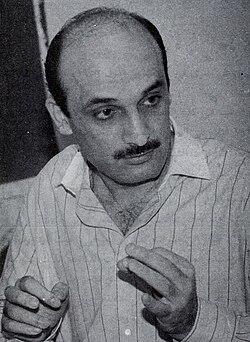
Before facing the Syrians, Aoun sought to consolidate power within the Christian enclave of East Beirut. On February 15, 1989, he launched an offensive against the Lebanese Forces (LF), a powerful militia led by Samir Geagea. This internal struggle for authority involved heavy artillery and tanks, resulting in dozens of deaths before a temporary truce was brokered by the Maronite Patriarchate.
The Siege of Beirut
The conflict expanded as Aoun implemented blockades on unregulated seaports and closed the Beirut International Airport. These actions triggered retaliatory shelling from the Amal movement and the Druze Progressive Socialist Party (PSP), which was a proxy for the Syrian government. By April 1989, the Syrian Army and the PSP began intermittent shelling of the Beirut harbor and other ports.
Despite attempts by the Arab League to mediate a truce, violence intensified. In August 1989, Syria launched a massive artillery offensive, followed by a PSP ground attack on Aoun's positions at Souq El Gharb. Aoun's forces retaliated by bombarding Syrian positions in the Beqaa Valley.
The War of Elimination
In early 1990, the conflict shifted toward a "War of Elimination." On January 31, Aoun launched a devastating offensive against Samir Geagea's Lebanese Forces in East Beirut. This two-week battle caused unprecedented destruction in the area, leaving 500 dead and 2,000 wounded. Although Aoun captured several key areas, the LF managed to maintain control over much of the harbor and the provinces of Kisrawan and Jbeil.
By April 1990, a strategic shift occurred when the LF agreed to hand over several barracks to the Hrawi government, further isolating Aoun's remaining loyalists.
The Fall of Baabda and the End of the War
The climax of the conflict occurred in October 1990. Following a series of violent incidents—including a massacre of civilians during a candlelit vigil and an assassination attempt on Aoun—the Syrian Army launched a final assault. On the morning of October 13, 1990, Syrian Sukhoi Su-7 jets bombed the Presidential Palace at Baabda.
General Aoun took refuge in the French Embassy and broadcast a call for his troops to surrender. The subsequent takeover of the palace was marked by atrocities; while some soldiers displayed white flags, others continued to fight, leading to the execution of approximately 80 Lebanese soldiers by Syrian forces. With Aoun's departure into exile in France, all organized resistance collapsed, effectively ending the Lebanese Civil War.
Conflict Summary
| Feature | Pro-Aoun Faction | Syrian-Allied Faction |
|---|---|---|
| Primary Leader | Michel Aoun | Hafez al-Assad / Elias Hrawi |
| Main Forces | Lebanese Army (Loyalists) | Syrian Army, Lebanese Army (Pro-Hrawi), PSP |
| Estimated Strength | 15,000 | Approx. 62,000 (Combined) |
| Key Stronghold | Baabda Palace (East Beirut) | West Beirut / Beqaa Valley |
| Strategic Goal | Syrian withdrawal from Lebanon | Implementation of Taif Agreement |
Frequently Asked Questions
Why did Michel Aoun reject the Taif Agreement?
General Aoun rejected the agreement because it did not specify a clear deadline for the withdrawal of Syrian troops from Lebanon, which he viewed as an illegal occupation.
What was the "War of Elimination"?
The War of Elimination refers to the brutal internal conflict in early 1990 between General Aoun's army brigades and Samir Geagea's Lebanese Forces militia within the Christian enclave of East Beirut.
How did the War of Liberation end?
The war ended on October 13, 1990, when the Syrian Army stormed Baabda Palace and other strongholds. General Aoun sought asylum in the French Embassy and subsequently went into exile in France.
What were the human costs of the final assault?
The final Syrian offensive resulted in the deaths of an estimated 800 combatants and civilians, including the execution of approximately 80 prisoners of war and the murder of militia leader Dany Chamoun and his family.
Who were the primary international supporters of the factions?
While the Syrian-allied faction had the backing of the international community recognizing the Hrawi government, Aoun's forces received arms supplies from Iraq under Saddam Hussein.