Updrafts and Downdrafts: The Mechanics of Vertical Air Currents
In the study of meteorology, the atmosphere is rarely static. While we often think of wind as a horizontal movement of air, vertical movements are equally critical to weather patterns and aviation safety. These vertical currents, known as updrafts and downdrafts, are localized regions of air that move upward or downward based on temperature and pressure differentials.
The Science of Vertical Air Movement
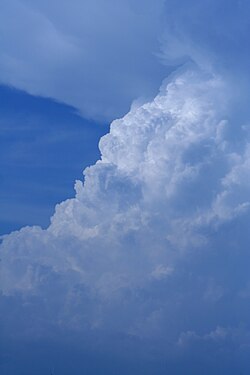
The primary driver of vertical air movement is density. A mass of warm air is typically less dense than the air surrounding it, causing it to rise. This process continues until the air reaches a region that is either warmer or less dense than itself. This rising current is called an updraft. When large volumes of hot, wet air rise, they can create massive clouds and serve as the central engine for thunderstorms.
Conversely, when a mass of cool air—which is denser than its surroundings—sinks, the process is known as subsidence, resulting in a downdraft.
The Role of Atmospheric Pressure
Beyond temperature, pressure systems also dictate the direction of air currents:
- Low Pressure Regions: These areas attract air from the surrounding environment. As the air moves toward the center, it is forced upward, creating an updraft.
- High Pressure Regions: These areas push air outward toward the surrounding environment, causing the air to sink toward the center and spawn a downdraft.
Aviation Risks and Extreme Weather Events
Vertical drafts, combined with wind shear (a sudden change in wind speed or direction), pose significant risks to aircraft, particularly during takeoff and landing. In extreme cases, these currents manifest as downbursts or microbursts, which are intense, localized downdrafts that can be deadly and difficult to predict.
A notable example occurred in 1985 with the crash of Delta Air Lines Flight 191 during its final approach to Dallas/Fort Worth International Airport. This event, presumably caused by a microburst, led the Federal Aviation Administration (FAA) to deploy new storm detection radar stations in the South, Midwest, and Northeast United States to improve air safety.
Downbursts vs. Tornadoes
While both downbursts and tornadoes can cause extensive localized damage, the patterns of destruction differ. Downburst damage is circular and radiates away from the center. In contrast, tornado damage radiates inward toward the center of the storm.
Other Forms of Downdrafts
The term "downdraft" is also used in a non-meteorological context regarding building ventilation. In multi-level buildings with fireplaces on the lowest levels (such as basements), a type of backdraft can occur. Cold air may descend the chimney due to low air pressure, making it difficult to light fires and potentially pushing soot and carbon monoxide into the home.
Key Facts
- Updrafts are caused by warm, less dense air rising or by low-pressure systems.
- Downdrafts (subsidence) occur when cool, denser air sinks or via high-pressure systems.
- Microbursts are extreme downdrafts that pose severe risks to aviation.
- Downburst damage radiates outward, whereas tornado damage radiates inward.
- Detection tools like Terminal Doppler Weather Radar (5 cm) and NEXRAD (10 cm) are used to monitor wind shear.
| Feature | Updraft | Downdraft |
|---|---|---|
| Air Temperature | Typically Warm | Typically Cool |
| Relative Density | Less Dense | More Dense |
| Pressure Association | Low Pressure | High Pressure |
| Weather Result | Cloud formation / Thunderstorms | Subsidence / Downbursts |
Frequently Asked Questions
What is the difference between a downburst and a tornado?
The primary difference lies in the pattern of destruction. Downburst damage radiates outward from the center in a circular fashion, while tornado damage radiates inward toward the center.
How do updrafts contribute to thunderstorms?
Updrafts occur when hot, moist air rises rapidly. This movement of large volumes of air is the central source of thunderstorm development and the creation of large clouds.
Why are microbursts dangerous for airplanes?
Microbursts create intense wind shear during critical phases of flight, such as takeoff and landing, which can lead to sudden losses of altitude or control.
What is subsidence in meteorology?
Subsidence is the process where a mass of cool air, being denser than the surrounding air, sinks downward, creating a downdraft.
Can a downdraft happen inside a house?
Yes, in multi-level buildings with basement fireplaces, cold air can move down the chimney due to low pressure, which may push soot and carbon monoxide into the living space.