United States Air Force: History, Missions, and Modern Capabilities
The United States Air Force (USAF) stands as a cornerstone of global security, providing unparalleled aerial warfare capabilities to support national policy and objectives. Established as an independent service on 18 September 1947, the Air Force has evolved from its early roots in the Signal Corps to become one of the most technologically advanced military branches in the world.
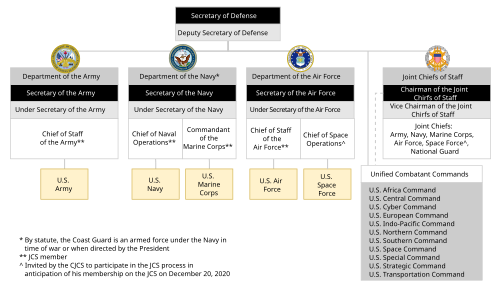
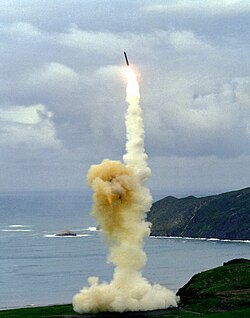
Operating under the Department of the Air Force within the United States Armed Forces, the service maintains a massive inventory of approximately 5,500 combat aircraft and roughly 400 Intercontinental Ballistic Missiles (ICBMs). Through its core missions, the USAF ensures air superiority, rapid global mobility, and global strike capabilities across the globe.
Key Facts
- Founded: 18 September 1947
- Core Missions: Air superiority, Global integrated ISR (Intelligence, Surveillance, and Reconnaissance), Rapid global mobility, Global strike, and Command and control.
- Official Colors: Ultramarine blue and golden yellow.
- Mottos: "Aim High ... Fly-Fight-Win" and "Integrity first, Service before self, Excellence in all we do."
- Primary Role: Aerial warfare.
The Evolution of American Airpower
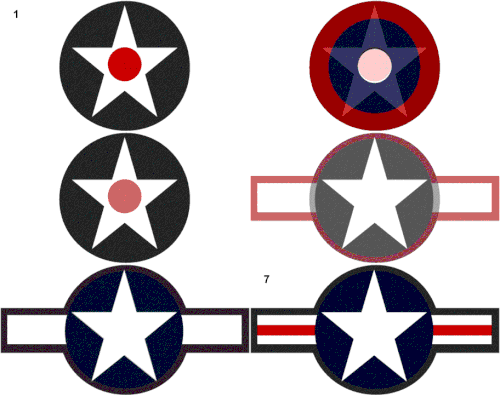
The history of the Air Force is a journey of organizational transformation. Before achieving independence, aviation capabilities were managed through several predecessor organizations within the U.S. Army. These included the Aeronautical Division of the Signal Corps, the Aviation Section of the Signal Corps, the Division of Military Aeronautics, the U.S. Army Air Service, and the U.S. Army Air Corps.
By 20 June 1941, the organization became the U.S. Army Air Forces, serving as the primary aviation arm during World War II before finally becoming the independent United States Air Force in 1947.
Historical Engagements and Humanitarian Aid
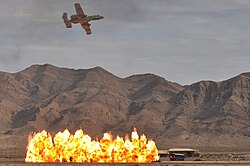
The USAF has been a central player in numerous global conflicts, ranging from World War I and World War II to the Korean War, the Vietnam War, and the Global War on Terrorism. Recent operations include Operation Inherent Resolve and the Iraq Campaign.
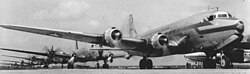
Beyond combat, the Air Force is frequently deployed for humanitarian operations. Notable examples include the Berlin Airlift (Operation Vittles) from 1948–1949, Operation Unified Assistance in 2004, and Operation Tomodachi in 2011. These missions demonstrate the service's ability to provide rapid relief and logistical support during international crises.
Modern Aircraft and Equipment
The technological edge of the USAF is defined by its diverse fleet of aircraft, categorized by their specific operational roles. From stealth technology to heavy transport, the inventory is designed for every facet of modern warfare.
Combat and Stealth Aircraft
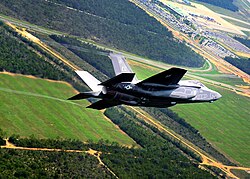
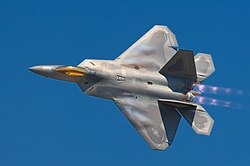
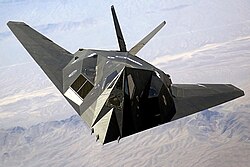
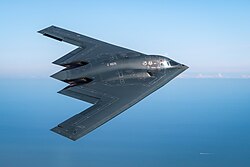
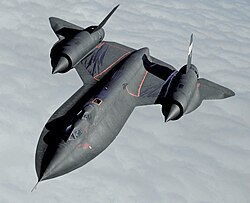
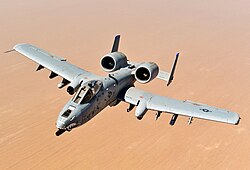
For air superiority and attack, the Air Force utilizes advanced fighters like the F-22 Raptor and the F-35A Lightning II. Stealth capabilities are further enhanced by the B-2A Spirit bomber and the F-117 Nighthawk.
Reconnaissance and Intelligence
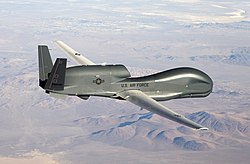
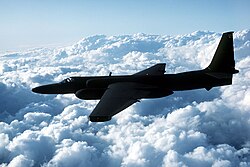
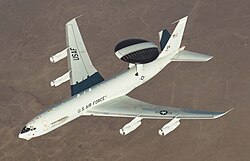
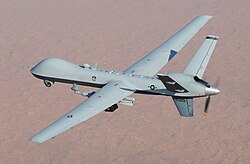
ISR (Intelligence, Surveillance, and Reconnaissance) is critical for modern decision-making. The USAF employs specialized platforms such as the RQ-4B Global Hawk, the U-2S "Dragon Lady", and the E-3 Sentry airborne warning and control system to monitor global developments.
Transport, Tanker, and Support
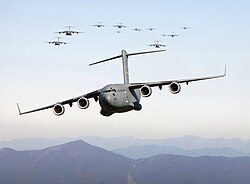
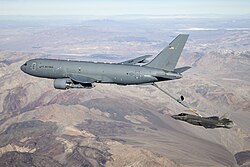
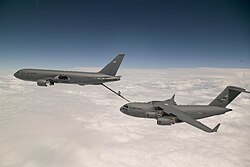
To maintain global reach, the Air Force relies on heavy lifters like the C-17A Globemaster III and the C-5M Galaxy. Aerial refueling is provided by tankers such as the KC-46A Pegasus and the KC-135 Stratotanker, ensuring that combat aircraft can operate far from home bases.
Organizational Structure
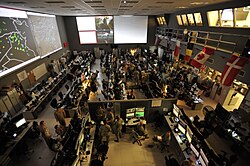
The Air Force is organized into several major commands that manage specific functional areas. These include Air Combat Command (ACC), Air Mobility Command (AMC), and Air Force Global Strike Command (AFGSC), among others. The service is composed of active-duty forces, the Air Force Reserve Command, and the Air National Guard.
| Command | Primary Focus |
|---|---|
| Air Combat Command (ACC) | Combat-ready forces for air operations |
| Air Mobility Command (AMC) | Rapid global mobility and airlift |
| Air Force Global Strike Command (AFGSC) | Global strike and nuclear operations |
| Air Education and Training Command (AETC) | Recruitment and training of personnel |
| Pacific Air Forces (PACAF) | Operations within the Pacific theater |
Frequently Asked Questions
When was the United States Air Force founded?
The United States Air Force was officially founded on 18 September 1947.
What are the core missions of the USAF?
The core missions include air superiority, global integrated ISR, rapid global mobility, global strike, and command and control.
What types of aircraft does the Air Force fly?
The Air Force operates a wide variety of aircraft, including fighters (F-22, F-35), bombers (B-1B, B-2A), reconnaissance planes (U-2, RQ-4B), tankers (KC-46A), and transport aircraft (C-17A).
What is the role of the Air Force in humanitarian crises?
The Air Force provides critical logistical support, airlift, and aid during humanitarian operations, such as the Berlin Airlift and various disaster relief missions like Operation Unified Response.
How is the Air Force organized?
The Air Force is organized into major commands (MAJCOMs), flying wings, groups, and squadrons, comprising active-duty, reserve, and National Guard components.