Toxins: The Science of Naturally Occurring Poisons
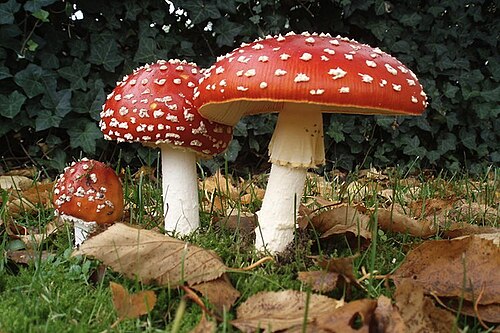
In the natural world, survival often depends on chemical warfare. From the silent defense of a mushroom to the precision strike of a cobra, living organisms produce powerful substances known as toxins. A toxin is a naturally occurring poison produced by the metabolic activities of living cells or organisms. These substances, often proteins or conjugated proteins, can range from small molecules to complex peptides.
Toxins interact with biological macromolecules, such as cellular receptors or enzymes, to cause disease or death upon contact or absorption. Their potency varies wildly; while a bee sting may cause minor localized irritation, substances like botulinum toxin can be fatal even in extremely low doses.
Key Facts
- Biological Origin: Toxins are produced by living organisms, distinguishing them from synthetic toxicants.
- Diverse Forms: They can exist as small molecules, peptides, or proteins.
- Primary Functions: In nature, toxins are used primarily for predation (hunting) or defense.
- Delivery Methods: Biotoxins are categorized as poisons (passive), toxungens (surface transfer), or venoms (active injection).
- Target Specificity: Different toxins target specific systems, such as the nervous system (neurotoxins) or blood cells (hemotoxins).
Defining the Terminology
While often used interchangeably in casual conversation, scientists distinguish between several related terms based on origin and delivery.
Toxins vs. Toxicants
The primary distinction is biological origin. A toxin is naturally produced. A toxicant is a man-made or artificial poison. However, if a natural toxin is genetically assembled or synthesized in a lab to be identical to its natural counterpart, it is still considered a toxin.
Poisons, Venoms, and Toxungens
The term poison is a broad category encompassing both toxins and toxicants. It refers to substances that enter the body via inhalation, ingestion, or skin absorption. Venom is a specific type of toxin delivered through a wound, such as a bite or sting. A newer term, toxungen, refers to toxins delivered onto the surface of another organism without creating a wound (e.g., spraying or smearing).
Classification of Biotoxins
Biotoxins—toxins explicitly of biological origin—are often classified by the anatomical location or biological system they attack.
Target-Based Classifications
- Neurotoxins: Affect the nervous system, often by disrupting ion channel conductance. Found in box jellyfish, black widow spiders, and elapid snakes.
- Hemotoxins: Cause the destruction of red blood cells, a process known as hemolysis. Common in vipers.
- Cytotoxins: Toxic at the level of individual cells. Examples include ricin from castor beans and apitoxin from honey bees.
- Myotoxins: Small peptides that cause muscle tissue damage, found in rattlesnakes and the Mexican beaded lizard.
- Necrotoxins: Cause necrosis (cell death) and spread through the bloodstream, affecting skin and muscle. Found in brown recluse spiders and the "flesh-eating" bacterium Streptococcus pyogenes.
- Hepatotoxins: Specifically target the liver.
- Genitotoxins: Damage reproductive or urinary organs.
- Phototoxins: Induce dangerous photosensitivity.
Source and Release Classifications
Toxins can also be categorized by how they are released: exotoxins are excreted by an organism, while endotoxins are released primarily when bacteria are lysed (broken open). Based on the source, they are grouped into fungal, microbial, plant, or animal biotoxins.
| Toxin Type | Primary Target/Effect | Example Source |
|---|---|---|
| Neurotoxin | Nervous System | Cone Snail, Blue-ringed Octopus |
| Hemotoxin | Red Blood Cells | Vipers |
| Cytotoxin | Individual Cells | Castor Beans (Ricin) |
| Myotoxin | Muscle Tissue | Rattlesnakes |
| Necrotoxin | Tissue Necrosis | Brown Recluse Spider |
Environmental and Research Contexts
In environmental science, the term "environmental toxin" may sometimes include synthetic industrial pollutants, though this deviates from the strict biological definition. Some of the most significant environmental biotoxins are found in food chains, specifically shellfish poisonings: Paralytic (PSP), Amnesic (ASP), Diarrheal (DSP), and Neurotoxic (NSP).
To protect public health, organizations like the European Food Safety Authority (EFSA) maintain databases such as OpenFoodTox to screen new foods for toxicity. In the United States, the National Library of Medicine (NLM) provides resources through the Toxicology and Environmental Health Information Program (TEHIP) and the TOXNET system, including TOXMAP, a GIS tool for visualizing EPA data.
Frequently Asked Questions
What is the difference between a toxin and a poison?
Poison is a broad term for any substance that causes harm. A toxin is a specific type of poison that is produced naturally by a living organism.
How does venom differ from a toxin?
All venoms are toxins, but not all toxins are venoms. Venom is specifically a toxin that is actively delivered into a target via a bite, sting, or similar wound.
What are the two main purposes of toxins in nature?
Toxins generally serve two primary functions: predation, used by animals like snakes and spiders to capture prey, and defense, used by organisms like poison dart frogs and various plants to deter predators.
What is a toxicant?
A toxicant is a poisonous substance that is man-made or artificial, as opposed to a toxin, which is naturally occurring.
What are neurotoxins?
Neurotoxins are a class of toxins that primarily affect the nervous system, often by disrupting the conductance of ion channels, which can lead to paralysis or death.